
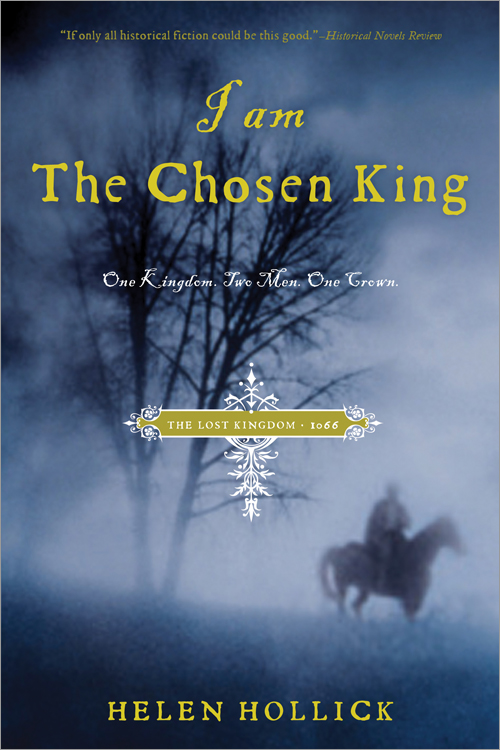
 I am pleased to welcome Helen Hollick to share the blurb for her book, “Harold the King/ I am the Chosen King,” celebrating its 25th Publication Anniversary. I want to thank The Coffee Pot Book Club and Helen Hollick for allowing me to be part of this special blog tour.
 Blurb:
First published in 2000 – Celebrating a Silver Anniversary!
The events that led to the Battle of Hastings and the Norman Conquest of England in 1066 – told from the English point of view.
Two men. One crown.
England, 1044. Harold Godwinesson, a young, respected earl, falls in love with an ordinary but beautiful woman. In Normandy, William, the bastard son of a duke, falls in love with power.
In 1066 England falls vulnerable to the fate of these two men: one, chosen to be a king, the other, determined to take, by force, what he desires. Risking his life to defend his kingdom from foreign invasion, Harold II led his army into the great Battle of Hastings in October 1066 with all the honor and dignity that history remembers of its fallen heroes.
In this beautifully crafted tale, USA Today bestselling author Helen Hollick sets aside the propaganda of the Norman Conquest and brings to life the English version of the story of the man who was the last Anglo-Saxon king, revealing his tender love, determination, and proud loyalty, all to be shattered by the desire for a crown – by one who had no right to wear it.
 Praise for Helen Hollick:
“Helen Hollick has it all! She tells a great story, gets her history right, and writes consistently readable books”
~ Bernard Cornwell
“A novel of enormous emotional power”
~ Elizabeth Chadwick
“Thanks to Hollick’s masterful storytelling, Harold’s nobility and heroism enthrall to the point of engendering hope for a different ending…Joggles a cast of characters and a bloody, tangled plot with great skill”
~ Publisher’s Weekly
“Don’t miss Helen Hollick’s colorful recreation of the events leading up to the Norman Conquest.”
~ Daily Mail
“An epic re-telling of the Norman Conquest”
~ The Lady
“If only all historical fiction could be this good”
~ Historical Novel Society Review
Buy Links:
Universal eBook Link, Harold The King: https://books2read.com/u/4jOdYj
Harold the King (UK): https://viewbook.at/HaroldTheKing
I Am the Chosen King (US): https://viewBook.at/ChosenKing
This title is available on #KindleUnlimited, excerpt in US & Canada.
 Author Bio:
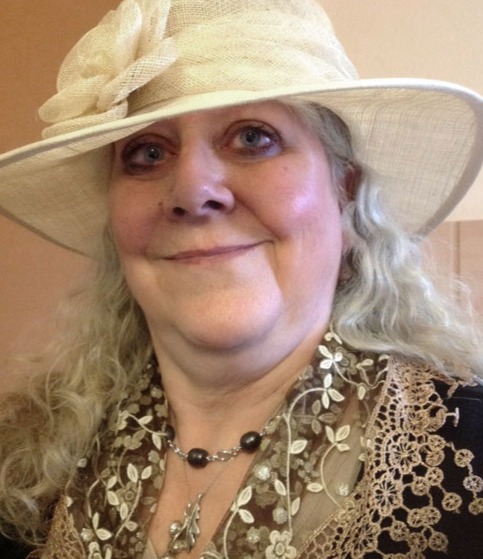
First accepted for traditional publication in 1993, Helen became a USA Today Bestseller with her historical novel, The Forever Queen (titled A Hollow Crown in the UK) with the sequel, Harold the King (US: I Am The Chosen King) being novels that explore the events that led to the Battle of Hastings in 1066. Her Pendragon’s Banner Trilogy is a fifth-century version of the Arthurian legend, and she writes a nautical adventure/supernatural series, The Sea Witch Voyages. She has also branched out into the quick read novella, ‘Cosy Mystery’ genre with her Jan Christopher Mysteries, set in the 1970s, with the first in the series, A Mirror Murder incorporating her, often hilarious, memories of working as a library assistant. The fifth in the series, A Memory Of Murder, was published in May 2024.
Her nonfiction books are Pirates: Truth and Tales and Life of a Smuggler. She is currently writing about the ghosts of North Devon and Jamaica Gold for her Sea Witch Voyages.
Recognized by her stylish hats, Helen tries to attend book-related events as a chance to meet her readers and social-media followers, but her ‘wonky eyesight’ as she describes her condition of Glaucoma, and severe arthritis is now a little prohibitive for travel.
She lives with her family in an eighteenth-century farmhouse in North Devon, with their dogs and cats. On the farm, there are showjumper horses, fat Exmoor ponies, an elderly Welsh pony, geese, ducks, and hens, as well as several resident ghosts.
Author Links:
Website: https://helenhollick.net/
Amazon Author Page: https://viewauthor.at/HelenHollick
Facebook: https://www.facebook.com/helen.hollick
Blog, supporting authors & their books: https://ofhistoryandkings.blogspot.com/
Bluesky: https://bsky.app/profile/helenhollick.bsky.social
Twitter / X: https://x.com/HelenHollick
Monthly newsletter: Thoughts from a Devonshire Farmhouse:
Start Here: January 2024 https://ofhistoryandkings.blogspot.com/2024/01/thoughts-from-devonshire-farmhouse.html (posted on her blog)
 I am pleased to welcome JR Tomlin to my blog today to share a guest post for her latest novel, “On a Sword’s Edge.” I want to thank JR Tomlin and the Coffee Pot Book Club for allowing me to be part of this blog tour.
 Blurb:
 Author Bio
 I am pleased to welcome Elizabeth St John to my blog to share a guest post about her latest novel, The King’s Intelligencer. I want to thank Elizabeth St John and The Coffee Pot Book Club for allowing me to participate in this blog tour.
 The timing of the discovery raised questions about whether the bones were used to manipulate public opinion and strengthen Charles’s position. Further research revealed more secrets. I explored the details of the Secret Treaty of Dover, a clandestine agreement between Charles II and Louis XIV of France. In this treaty, Charles promised to declare himself a Catholic in exchange for financial support. This hidden agreement, uncovered years later, underscores the precarious balance of power in 17th-century England and allowed me to link national concerns to my family history.
 In this climate of political maneuvering, espionage became crucial. Intelligencers gathered information covertly, often operating unofficially, and reported back to their patrons the news and gossip that was circulating. This secretive world provided the perfect backdrop for my protagonist, Franny Apsley, who navigates the hidden loyalties, treaties, and espionage of 17th-century England. A friend remarked that these intelligencers hung around coffee shops and eavesdropped on other people…which sounded just the kind of thing Franny would have done.
  Blurb:
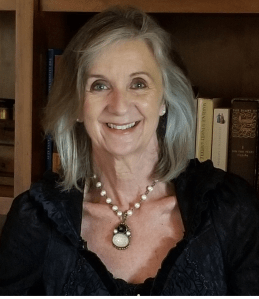 Author Bio
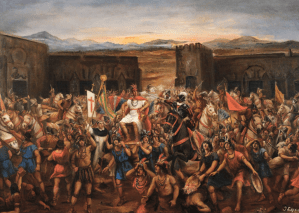
 Blurb:
 Author Bio
 I am pleased to welcome Amy Maroney back to my blog to share a spotlight for her latest novel, “The Pirate’s Physician.” I want to thank Amy Maroney and The Coffee Pot Book Club for allowing me to participate in this blog tour.
 Blurb:
 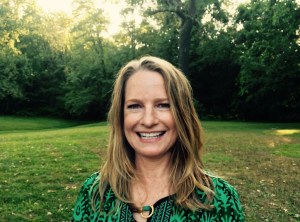 Author Bio
 I am pleased to welcome Julia Ibbotson to my blog today to share a spotlight for her novel, “The Dragon Tree.” I want to thank Julia Ibbotson and The Coffee Pot Book Club for allowing me to be part of this blog tour.
  Blurb:
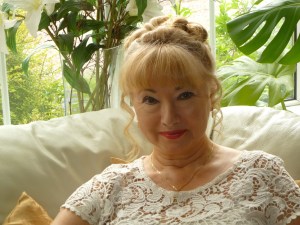 Author Bio
 I am pleased to welcome Constance Briones to my blog today to share an excerpt from her novel, “Try Before You Trust: To All Gentlewomen and Other Maids in Love.” I would like to thank Constance Briones and The Coffee Pot Book Club for allowing me to be part of this blog tour.
 Blurb:
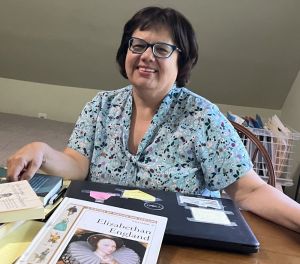 Author Bio:
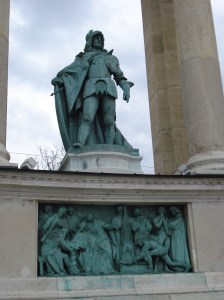
  Today, I am pleased to welcome Katerina Dunne to my blog to share a bit of her research for her latest novel, “Return to the Eyrie.” I want to thank Katerina Dunne and The Coffee Pot Book Club for allowing me to be part of this blog tour.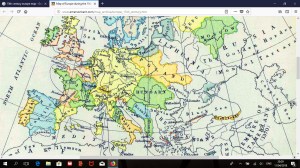
 Blurb:
 Author Bio:
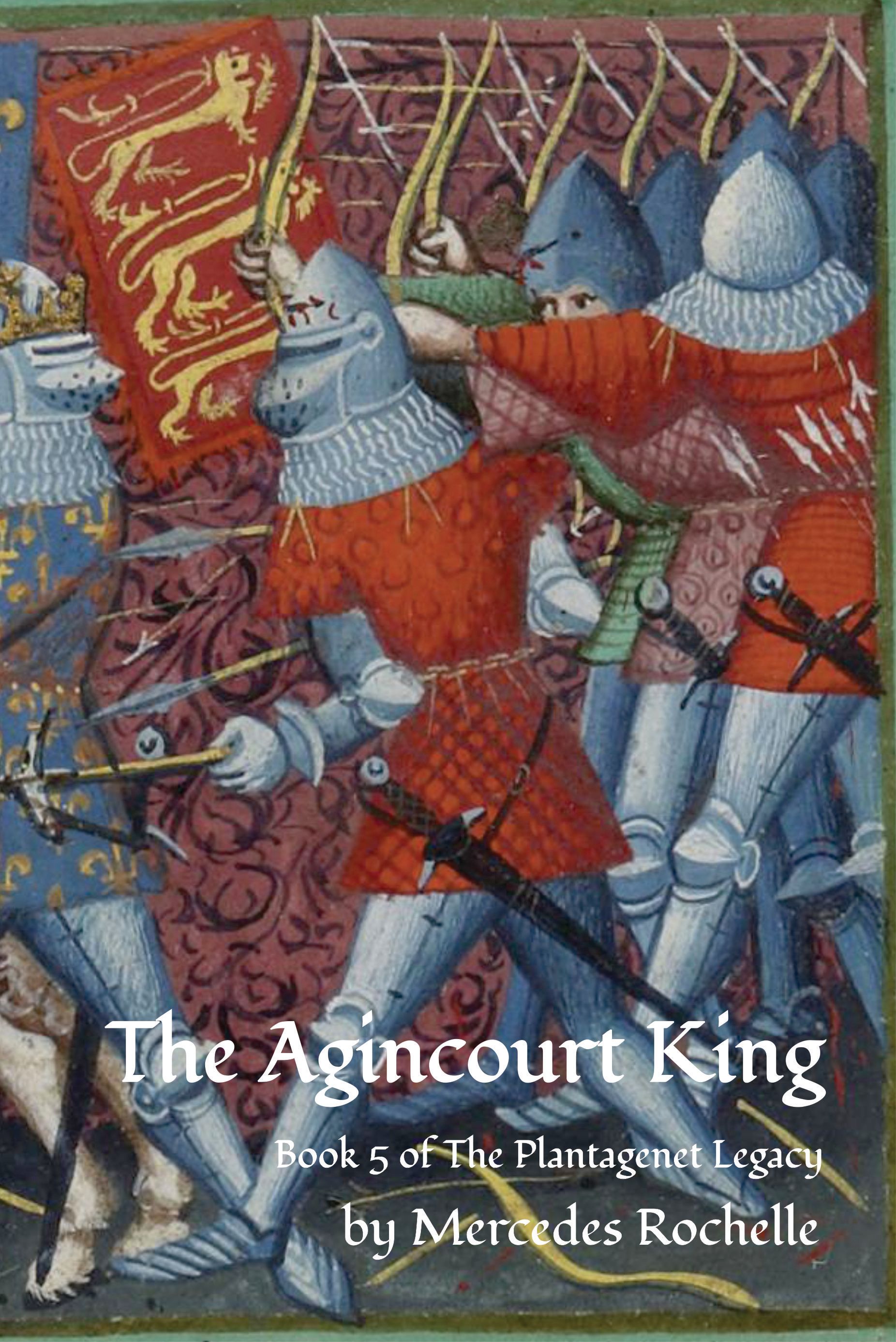
 I am pleased to welcome Mercedes Rochelle back to my blog to share an excerpt from her novel, “The Agincourt King.” I would like to thank Mercedes Rochelle and The Coffee Pot Book Club for allowing me to be part of this blog tour.
 Blurb:
  Author Bio
 I am pleased to welcome Gina Buonaguro to blog today to share a blurb from her novel, “The Virgins of Venice.” I would like to thank The Coffee Pot Book Club and Gina Buonaguro for allowing me to be part of this blog tour.
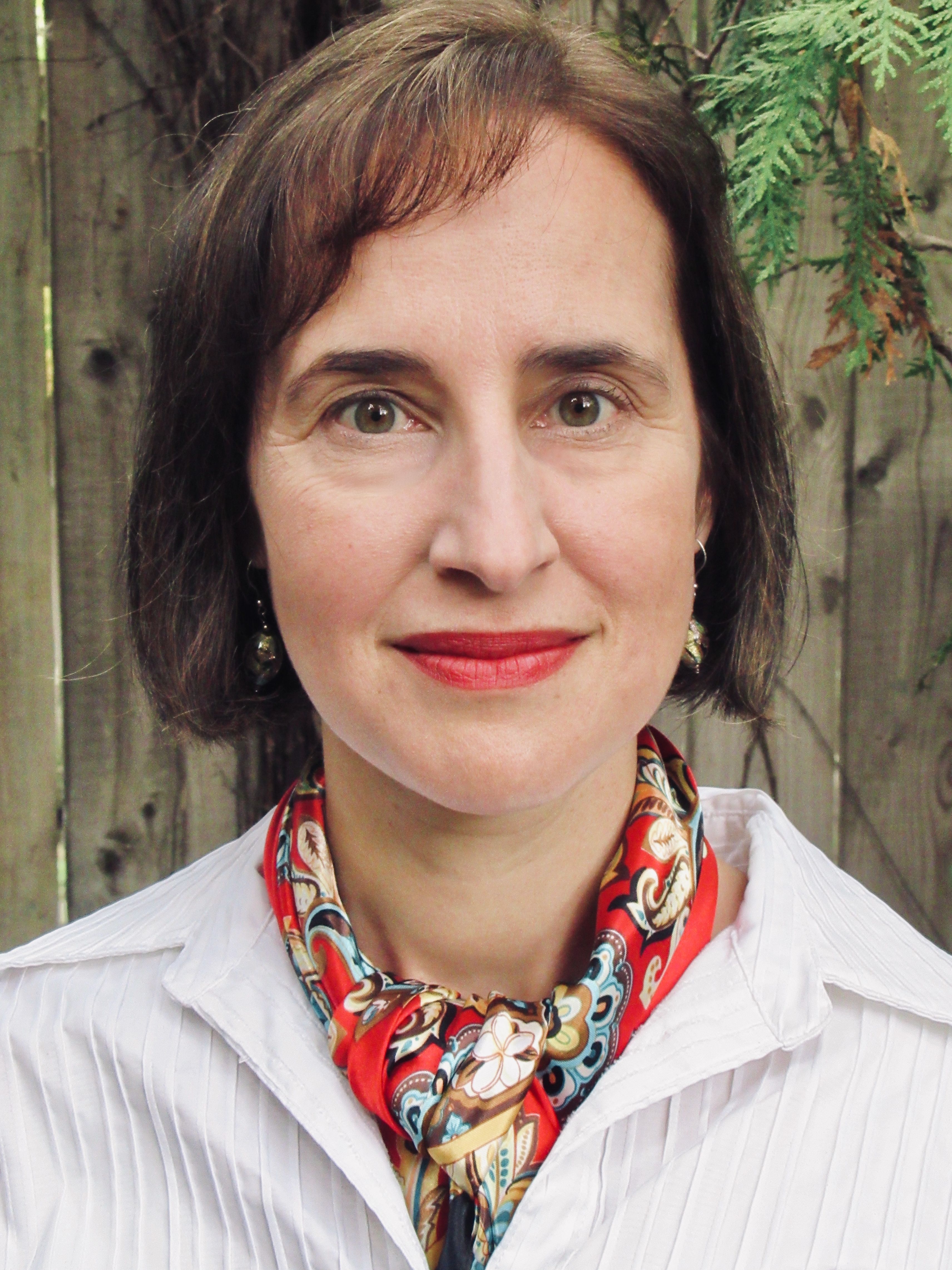 Author Bio:
 Adventures of a Tudor Nerd