
 When it comes to studies into the Tudor dynasty, many different approaches have been taken in the past. We have examined every monarch, their spouses, how they lived, what they wore, and the various political events that defined the dynasty. The list is endless to the different studies that have been done with the Tudors, yet there are still new areas of study that are being explored. One of those areas of study is how individuals with disabilities survived in the past. How did society treat those who had disabilities, and what rights did they have according to the laws of the land? In her first non-fiction book, “Disability and the Tudors: All the King’s Fools,” Philippa Vincent-Connolly explores the lives of famous fools and monarchs with disabilities to discover how they were treated by Tudor society.
I want to thank Pen and Sword Books and Net Galley for sending me a copy of this book. When I heard about this book, I was interested in learning more, and I will admit that studies on those who had disabilities in the past have never been an area of research that I considered before. I wanted to learn more and see if Vincent-Connolly could provide new information about the Tudors.
To understand disabilities during the Tudor dynasty, Vincent-Connolly defines a few terms, such as a natural fool, those with disabilities, and an artificial fool, which we consider clowns or jesters. They were either viewed as vile sinners or holy innocents, more divine than the average citizen. Like William Somers and Jayne Foole, natural fools were deemed prominent members of the Tudor court and allowed to speak freely to the monarch ruling at the time. Those who lived at court were well taken care of and were depicted in portraits as background figures. Of course, disabilities also affected royalty and the nobility, like Henry VIII, Claude of France, and Lady Mary Grey. For those who did not have the luxury of living at court, some Poor Laws and communities were dedicated to caring for natural fools. With the dissolution of the monasteries, the care for those with disabilities shifted from the church to the communities and their families.
Vincent-Connolly has a passion for this subject and is genuinely dedicated to sharing that passion with fellow Tudor nerds. The one major problem that I had with this book was its repetitive nature, and if it were organized better, this repetitive problem would not be as bad, which would be an easier read. She included one source that I disagreed with, but it was a minor issue in the grand scheme of things.
Overall, I found this book informative and fascinating. The lives of Tudors who had disabilities mattered, and it was an intriguing book that added a new aspect to Tudor research. I think this will open a discussion about those who had disabilities in the past and give us a better appreciation of their struggles and how they survived. If you want to learn something new about this dynasty, I suggest you check out “Disability and the Tudors: All the King’s Fools” by Phillipa Vincent-Connolly.
 On a cold December day in 1386, two knights met at the field at Saint-Martin-Des-Champs in Paris to face each other in a duel. This may seem like your average duel for entertainment to any outsider, but this was a duel to the death to determine who was telling the truth when it came to a sinister crime. A Norman knight, Jean de Carrouges, accused a squire, Jacques Le Gris, of raping his wife, Marguerite. It was a truly heinous crime, but what was it true, and why did these accusations lead to a duel to the death? Eric Jager explores this specific event and the factors that led to this clash in his nonfiction book, “The Last Duel: A True Story of Crime, Scandal, and Trial by Combat.”
 David Rizzio was one of Mary, Queen of Scots’ favorites at court and the private secretary to the queen. Being a royal favorite would not have been seen as a grave offense in any other country during this time, yet this is Scotland in the 16th century. Scotland was filled with deadly feuds between lords fighting for control of the crown, which would lead to numerous prominent men being murdered, including Rizzio. On March 9, 1566, David Rizzio was murdered in front of Mary, Queen of Scots, while she was several months pregnant. The tale of the grotesque crime and those who witnessed the events of that night are told in Denis Mina’s latest gripping novella, “Rizzio.”
 When we think about love, we have ideas about how people fall in love through dating and wooing one another. Sweet words and gestures. Flowers and chocolate. Dates at fun venues and romantic dinners. This is a more modern interpretation of romance and love, which was vastly different than the concept of courtly love that was common in royal circles in medieval Europe. What exactly was courtly love, and how did it play a role in the Tudor dynasty? Sarah Gristwood explores this topic in her latest nonfiction book, “The Tudors in Love: The Courtly Code Behind the Last Medieval Dynasty.”
 As the weather gets colder, the leaves turn brilliant colors and fall from their trees, marking the perfect time of the year to snuggle with a blanket, a cup of tea, and a good spooky tale. Many would reach for a modern supernatural story, but ghost tales have been hiding in archives for centuries. One such story comes from the time of King Richard II. It was first found and transcribed from Latin in 1922 by medievalist M.R. James. Dan Jones has taken on the challenge to retell this story for a modern audience. Initially written by an unknown monk of Byland Abbey, this medieval ghost story is called “The Tale of the Tailor and the Three Dead Kings.”
 The period of human history that we know today as the Middle Ages spanned over a thousand years, and within that time, significant progress was made into understanding our world. Inventions and discoveries were made not just in Europe but throughout the known world during this time. One area of study that saw a lot of change was medical studies and understanding the human body. How did physicians heal the sick during the Middle Ages, and how did their experiences change their field of study? These questions and more are all explored in Juliana Cummings’ latest book, “Medicine in the Middle Ages: Surviving the Times.”
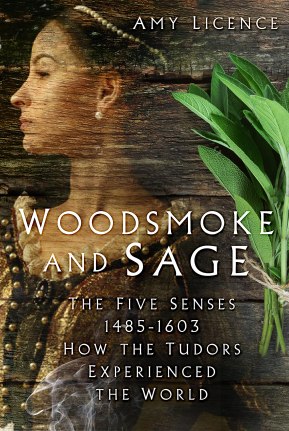 When we study history, we tend to focus on specific dates, certain people, and the stories that transformed countries forever, no matter how much of an impact they made. What is difficult about studying history is understanding how they experienced life. What did they see? How did they communicate? What did they hear during a typical day? What smells wafted through the air? How did their view on how the body worked affected what they ate and how they cured their illnesses? In her latest nonfiction book,” Woodsmoke and Sage: The Five Senses 1485-1603: How the Tudors Experienced the World”, Amy Licence has taken on the challenge of explaining the Tudor world that they knew through their senses.
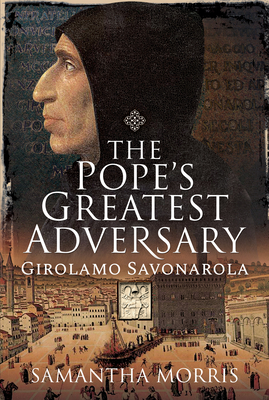 When we think about men who challenged the Church and are known as Reformers, we tend to think of Martin Luther, Jan Hus, and John Calvin. However, a man fought against corruption in his beloved Florence who should be included in the list of great reformers. He was a Dominican monk who was not afraid to preach against sin and took aim at the most powerful men in all of Italy, including Pope Alexander VII. His sermons were so scandalous that they would lead to his demise upon a pyre in the middle of Florence. His name was Girolamo Savonarola, and his story is told in Samantha Morris’s latest biography, “The Pope’s Greatest Adversary: Girolamo Savonarola.”
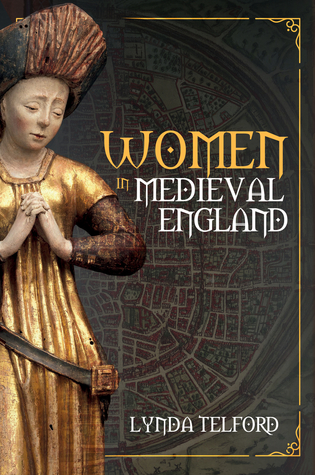 As students of history, we understand that aspects of society change all of the time, and sometimes the change is rapid, and other times it is positively glacial. One of those aspects of culture that we have seen slow and gradual change pertains to women’s rights. Today, women have more rights than they did in the past, and they can have careers, but is this a novel concept? What were the lives of women like in other periods of history, like the medieval period? In Lynda Telford’s book, “Women in Medieval England,” she explores women’s lives from the Anglo-Saxons to the Tudors to give us a picture of what rights and responsibilities women had during this period.
 Adventures of a Tudor Nerd