
 When we think of Vikings, a few images come to mind. It is either the cartoonish image of warriors with horned helmets or blood-soaked warriors from TV shows like The Vikings. They are seen as men and women who fight Christians in England and France and sometimes into North America, but we do not see them in the east. With archaeological digs and discoveries being made recently, what can the artifacts tell us about the Viking world? In “River Kings: A New History of the Vikings from Scandinavia to the Silk Roads,” Dr. Cat Jarman takes her readers on a journey of discovery, following the trail of a single carnelian bead.
I have read a few books about Vikings, and of course, I have watched historical dramas about this period, but I wanted to know more. When I heard about this particular title, I was captivated by the prospect of learning something new about these warriors that have interested us for centuries.
Dr. Cat Jarman is a bioarchaeologist and field archaeologist passionate about discovering the truth about the Viking Age. She explains how each discovery was made and what scientific processes to discover the truth. We can figure out where these people might be from and what they ate during their lives through the teeth and bones of the bodies. But what is left beside the bodies gives us clues into what the Vikings were doing during their lifetimes, giving us a better understanding of these men and women from Scandanavia.
We began our journey in 2017 when Dr. Jarman possessed a single carnelian bead. The bead was discovered in Repton, along with a mass burial that included the bodies of a father and son. This single bead takes her on a journey to discover why the Vikings had this kind of bead and what other artifacts she found along the way might tell us about this group of people. From DNA analysis to silver coins that might have been used to buy enslaved people, statues of women in armor, nails from ships used to transport the warriors across the sea and rivers, and graffiti that was left behind give us hints about the Viking lifestyle.
Before I read this book, I thought Vikings and their journeys were limited to England, France, and Scandinavia because they are the most popular stories. Still, the Vikings traveled as far as the Middle East and perhaps India and the Silk Road. The way Dr. Jarman balanced scientific and archaeological research with the historical and mythological narrative into a thrilling book to read.
“River Kings: A New History of the Vikings from Scandinavia to the Silk Roads” by Cat Jarman is a masterpiece that anyone who loves history, Vikings, or archaeology will adore. If you think you know the history of the Viking Age, I urge you to read this brilliant book. I can’t wait to hear more about Dr. Cat Jarman’s research into this age and what else will be discovered soon.
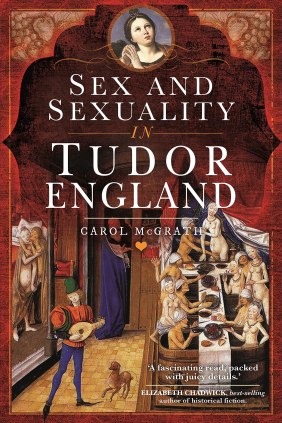 The study of the Tudor dynasty has led us on many different adventures throughout the centuries. We have analyzed this period from numerous angles, from the royals and nobles to the essential lives of those who lived in England during this time. We tend to leave the more intimate moments for historical fiction novels and dramas, but one must wonder what those moments might have been like for those who lived in Tudor England. What were the romantic and the more intimate moments like for the Tudors? In her book, “Sex and Sexuality in Tudor England,” Carol McGrath gives her readers an in-depth look at these private moments.
 Medieval princes are often viewed as men who will one day be king of their homeland or another country. They are seen as wealthy men with prestige and honor who live lavish lifestyles and go to war to earn titles and estates. One of these noble medieval princes was a man who married three times, including to his most beloved mistress. He was the son of Edward III, the uncle of Richard II, and the father of the queen of Castile and King Henry IV, the first Lancastrian king. His children, grandchildren, and great-grandchildren would rule in different European countries, even though he never had the chance to wear the crown of England or Castile for himself. His name was John of Gaunt, and his story is told in Kathryn Warner’s latest biography, “ John of Gaunt: Son of One King, Father to Another.”
 For a woman from the past to leave a mark in history books, she had to have lived an extraordinary life. Some have notorious reputations, or they were considered women of immaculate character. In Foxe’s Book of Martyrs, there was one who was “a woman of noble wit.” She was the daughter of an ancient gentry family who had connections with the court of Henry VIII. Her large family would navigate political turmoil and religious reformations to survive. The name of this wife and mother was Katherine Raleigh, and her tale is told in Rosemary Griggs’ debut novel, “A Woman of Noble Wit.”
 A Woman of Noble Wit
 Author Bio:
 When we read about those who lived in past centuries, there is often a disconnect. We know that they were also human beings like we are, but we see how different their ways of life are compared to ours, and it feels incredibly bizarre. We can find wisdom from the past for our more modern lives. One of the most unlikely sources of knowledge for our daily lives comes from the lives of men and women who choose to take a religious path. In her latest book, “How to Live Like a Monk: Medieval Wisdom For Modern Life,” Daniele Cybulskie shows her readers how medieval monks can help us live our best lives here in the present.
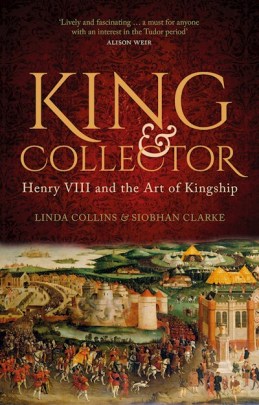 When we think of the legacy of King Henry VIII, a few descriptions come to mind—married six times, father of three children who would be the king and queens of England one day. We often see him as a man conflicted with religious changes and someone who could be tyrannical when dispatching his enemies and those closest to him. We don’t usually associate Henry VIII with a collector and patron of fine art, but his collection would help bring the Royal Collection to life. The artwork that Henry VIII commissioned and collected tells how he wanted to be viewed by the world. In “King and Collector: Henry VIII and the Art of Kingship,” Linda Collins and Siobhan Clarke peel back the layers of Tudor propaganda to show the truth about King Henry VIII and the artists who made his ideal image.
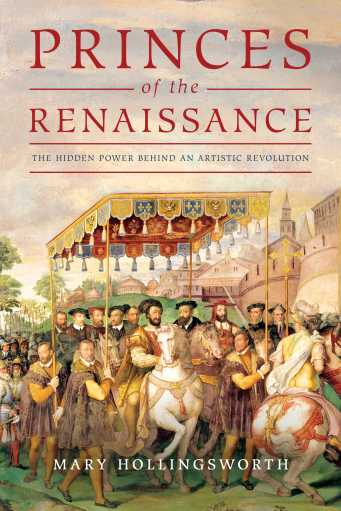 The 15th and 16th centuries were full of dynamic political and religious reforms, but they were also known for cultural changes throughout Europe. The medieval foundations started to crumble, and the early modern age emerged. One of the centers of change was Italy, a series of states with their rulers vying for power and prestige. These rulers would help finance masterpieces in art, literature, and architecture, but it was their rivals that threatened to tear the Renaissance society apart. In “Princes of the Renaissance: The Hidden Power Behind an Artistic Revolution,” Mary Hollingsworth explores the lives of the men and women who helped shape the Renaissance.
 The Black Death has ravished England and Europe for centuries. Although the plague in the 16th century was not as devastating as in previous centuries, it still was a horrific disease that killed thousands. For example, in Warwickshire, England, a family understood how unforgiving death could be and how it can tear down even the strongest of familial bonds. The family of the playwright William Shakespeare must navigate the sudden loss of their beloved son while they keep their family together. “Hamnet” by Maggie O’Farrell is the story of the death of one child and how his death affected so many people.
 Today, I am pleased to welcome Sylvia Barbara Soberton back to discuss another forgotten Tudor woman, Gertrude Courtenay, who is the subject of her latest book, “The Forgotten Tudor Women: Gertrude Courtenay. Wife and Mother of the last Plantagenets”.
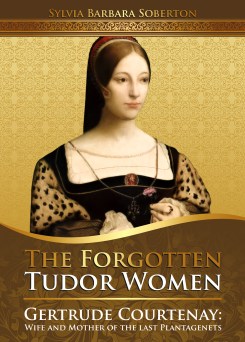 About the Book
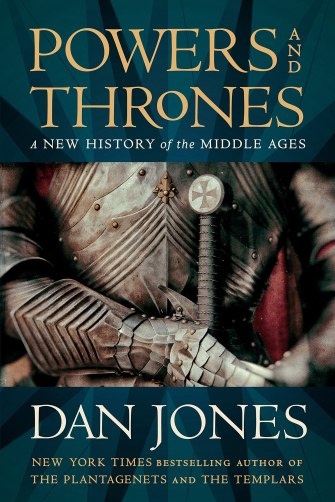 When we study human history, in general, we tend to pick a country and a period to focus on and research. Books on the subject material tend to focus on one land with interactions between other nations. It is infrequent for authors to take on multiple countries unless concentrated on one event that affected numerous locations. Those books often read like textbooks and can be a bit dry. Finding the perfect balance between these elements and engaging with the reader is a monumental task for any author, but Dan Jones has taken on the challenge. His latest behemoth tome, “Powers and Thrones: A New History of the Middle Ages,” takes on the gigantic task of telling the story of the Middle Ages from diverse perspectives.
 Adventures of a Tudor Nerd