
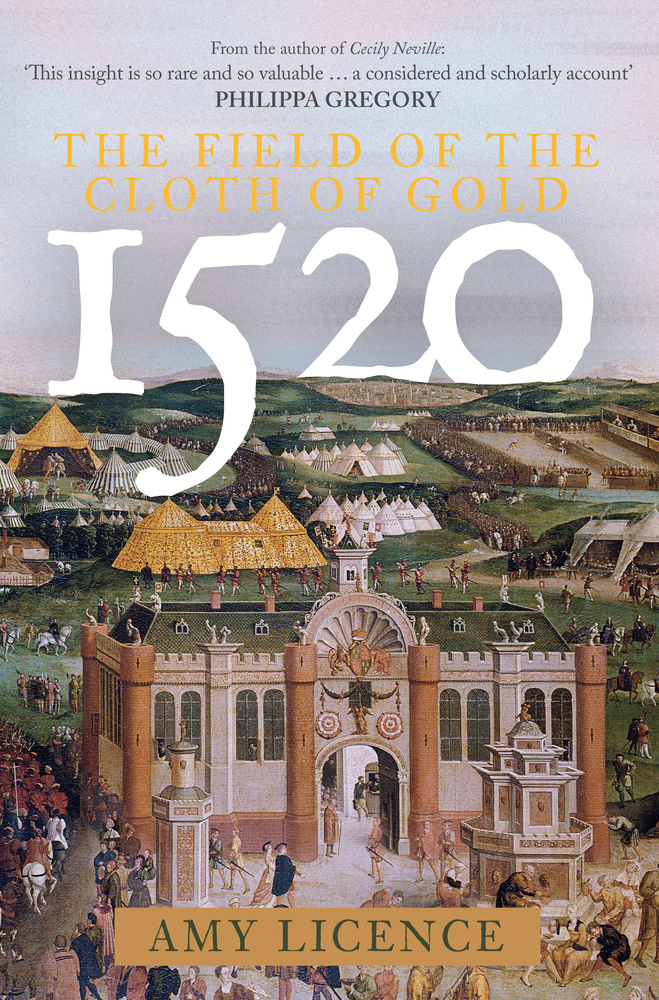
 In 1520, two larger than life kings met each other in France for two weeks. This may not sound astounding as many kings left their respected countries to meet other rulers throughout history. It was part of European diplomacy. However, what made this particular period of time extraordinary is the sheer size and the opulence of the event. The King of England, Henry VIII, met the King of France, Francis I, for two weeks of festivities and feasting that we now call The Field of the Cloth of Gold. We often think that this event accomplished nothing because the rivalry between Henry VIII and Francis I continued afterward. Was the purpose of this event to quell the rivalry between the two kings or was there something more behind all the glitz and glam of the Field of the Cloth of Gold? What do the behind the scenes records reveal about this event? Amy Licence explores this event from every angle in her latest book, “1520: The Field of the Cloth of Gold”.
I would like to thank Amberley Publishing for sending me a copy of this book. When I heard about this book from Amy Licence, I knew that I wanted to read it. Since 2020 marks the 500th anniversary of the Field of the Cloth of Gold, it seemed extremely appropriate to read this book in 2020.
To understand why Henry VIII and Francois I met each other, Licence includes brief biographies of these two dynamic figures and the women that accompanied them to the field in France. Obviously, the information about Henry VIII and his wife Katherine of Aragon was a review for me, but I found the biographies of Francis I and his wife Claude quite fascinating. The relationship between the two kings shaped why this event took place. Licence explains the political negotiations that took place to make such an event happen. She also takes the time to show the role that a third party, Emperor Charles V, took in the timing of the event.
The bulk of this book is the grand event itself. Licence’s attention to detail is meticulous and readers can tell her passion for this subject. What I knew about the Field of the Cloth of Gold before reading this book was an overview of the event, which is why I appreciate the attention to detail in this book. Licence uses letters and descriptions from those who were able to attend this event to show the vast scale of each day. From jousting to feasts, balls, and masques, there was so much symbolism and revelry to be had by all. To pull off a spectacle such as this on both sides, it was the craftsmen, the cooks, and the temporary villages of people who made these two weeks a sensation. Licence shows how much planning and how expensive it was to throw a party of this magnitude and what impact it had on political decisions after the pavilions and temporary palaces went down.
I found myself thoroughly enjoying the intricate details that Licence included with her stylistic yet readable writing style. Licence made her readers feel like they had a front-row seat to the Field of the Cloth of Gold while being academic and very well researched. I found myself imagining the splendor of those two weeks. If you want a tremendous book on this extravaganza of 16th-century European grandeur, I highly recommend you read, “1520: The Field of the Cloth of Gold” by Amy Licence.
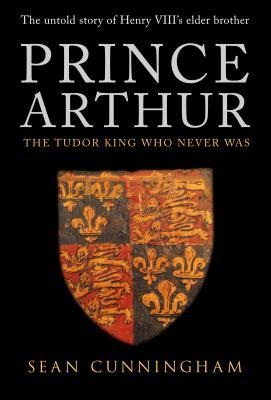 A new dynasty is born out of war and bloodshed. Hope is restored to the land as the remains of the Houses of York and Lancaster are united when Henry VII marries Elizabeth of York. It was not until the birth of their eldest child and heir, Prince Arthur, that the union was truly complete. Arthur was the hope for the nation, but when he tragically died shortly after marrying Catherine of Aragon, he was replaced by his younger brother who would become King Henry VIII. Arthur’s life was indeed very short, but his legacy and untimely death altered the course of history forever. Arthur tends to be a footnote in history, between Henry VII’s and Henry VIII’s reigns, but what was this young prince like? Why did his death leave such a large hole in the plans for the future of the Tudor dynasty? What was his relationship like with his family and those closest to the prince? These questions and more are explored in Dr. Sean Cunningham’s brilliant biography, “Prince Arthur: The Tudor King Who Never Was”.
 In life, one of the hardest decisions that we must decide is who to trust. Who can we truly depend on to be by our side when times get rough or when they are going our way. Most of the time, we can rely on those who we put our trust in, but there are extraordinary times when our trust in someone is utterly shattered. Betrayal of one’s trust is like a knife in the back, it can be devastating no matter who is being betrayed. It is not a new concept in human nature to betray others. Whether for money, for power, or lust, betrayal can destroy the lives of everyone involved. Can there be redemption after betrayal? In this anthology of historical fiction tales, twelve authors explore every aspect of betrayal throughout history. This is “Betrayal” by the Historical Fictioneers.
 A series of wars that engulfed England for over thirty years finally comes to its conclusion. The Plantagenet dynasty is no more and the once outlaw is now the first king of the brand new dynasty, the Tudors. Margaret Beaufort is reunited with her beloved son, Henry Tudor as he is crowned King Henry VII. As Henry faces the numerous challenges of being a father and a king, his mother is right by his side to guide and protect him and his family. In the epic conclusion to her Beaufort Chronicle series, Judith Arnopp explores the transition for Margaret Beaufort in the early years of the Tudor dynasty in, “The King’s Mother”.
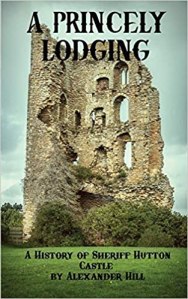 Numerous castles with remarkable stories dot the landscapes of many European countries, especially England. Few are in good condition whereas others are in a rather ruinous stage. In the village of Sheriff Hutton, there is a shell of a once illustrious castle that protected England and its monarchs for centuries, aptly named Sheriff Hutton Castle. For those who are familiar with the family York and the Nevilles of the Wars of the Roses, you might be familiar with the name of this castle, but do you know the entire story of the castle? Why was this castle so significant to the history of northern England and why did it fall into disarray? These questions and more are explored in Alexander Hill’s debut book, “A Princely Lodging: A History of Sheriff Hutton Castle”.
 The Tudors were a royal family striving to survive in England through male heirs. Yet, its strongest rulers were female, Elizabeth, and her eldest half-sister, Mary. Obviously, many remember Queen Elizabeth I for her “Golden Age” and the first woman monarch of England to rule by her own right, but that title should really go to Mary I. Elizabeth tends to get all of the attention, but Mary’s life was full of her own struggles. In “Mary Tudor: A Story of Triumph, Sorrow and Fire”, Anthony Ruggiero explores the myths and the facts about this much-maligned and tragic figure in English history.
 In 1375, the body of Sir William Cantilupe was found murdered in a field. He was stabbed multiple times, yet it looked like he was moved as his clothing had no marks on it. The initial investigation pointed to William Cantilupe’s immediate family and his household staff who appeared dissatisfied with how he ran his household. This particular case has been an area of fascination for medieval historians for centuries as it explores different aspects of life during the Hundred Years War. Some of these areas include domestic violence, social norms, law and order, and the punishment for crimes like murder. Melissa Julian-Jones explores every aspect of this case while combining contemporary sources to give readers a new approach to this murder in her book, “Murder During the Hundred Year War: The Curious Case of Sir William Cantilupe”.
 A young woman separated from her only son as a war divides the nation that she dearly loves. The struggle between York and Lancaster, the Wars of the Roses, grows in intensity and the only hope for the Lancastrians is the son of Margaret Beaufort, Henry Tudor. To keep him safe, Margaret must allow him to go into hiding as she adapts to the court of Edward IV and his wife Elizabeth Woodville. Margaret’s journey through love, death, and court intrigue continues in Judith Arnopp’s second book in her Beaufort Chronicle, “The Beaufort Woman”.
 A family mired in myths and rumors of incest, murder, and intrigue for centuries. A brother and sister caught in the middle, attracting the attention of gossips and historians alike. No, I am not referring to a royal family in England. In fact, this story starts in Spain with Alonso de Borja, who moved to Italy and helped create the infamous Borgia family. Caught in the middle were the son and daughter of Rodrigo Borgia, Alonso’s nephew, and his mistress Vanozza Cattanei; Cesare and Lucrezia Borgia. How close were these famous siblings? What were their lives really like? In Samantha Morris’ latest biography, “Cesare and Lucrezia Borgia: Brother and Sister of History’s Vilified Family”, she dives deep into the archives to find out the truth about the legendary Borgia family.
 Today, I would like to welcome Sylvia Barbara Soberton to my blog as part of the book tour to promote her latest book, “Medical Downfall of the Tudors”, which is available now.
 Adventures of a Tudor Nerd