
 The wives of Henry VIII have been an area of fascination for history nerds and novices alike for centuries. We all know the stories of Catherine of Aragon, Anne Boleyn, Jane Seymour, Anna of Cleves, Katherine Howard, and Kateryn Parr. However, these stories only offer a glimpse at the lives of these women. They follow the more traditional studies of the Tudor queens, but what happens if we take a more revisionist approach to their lives? What can we learn about these women besides their crowns and who they all married? There is more to their stories, like the minute details that Jessica Carey-Bunning explores in her book, “The Wives of Henry VIII: Rethinking the Stories Behind the Symbols.”
I would like to thank Pen and Sword Books and Net Galley for sending me a copy of this book. I am always looking for a new approach to the Tudor queens. So when I saw that it was a book featuring all six wives with a promised fresh perspective, I decided to give it a chance.
Carey-Bunning has taken a different approach to these six remarkable women. Instead of a biography about their lives, she has chosen to highlight aspects of their lives. We, of course, go in chronological order, starting with Catherine of Aragon. With Catherine, we examine why she was named Catherine and its significance in her family, as well as her finances as the widow of Arthur, and extended through her annulment. We then moved to Anne Boleyn and explored her role in the Chateau Vert pagent as well as her looks, either with the English gable hood or the French hood, and she includes the latest research into what Anne might have looked like. After Anne, we transition to Jane Seymour, to her stance on matters of faith and whether or not she was a popular queen.
Anna of Cleves may have had the shortest reign of all the queens, but it is her education and her faith that Carey-Bunning explores in her section. Katherine Howard also had one of the shortest reigns of any of Henry’s wives, but for different reasons than Anna of Cleves. With Katherine, we explore exactly what kind of influence the young queen had and her connection to her infamous cousin Anne Boleyn. Finally, we examine Kateryn Parr, the 17th century’s fascination with the queen, and the tale of her almost arrest over religious matters.
I found this book refreshing with the new approach to the wives of Henry VIII. I learned new aspects of the queens, which was very nice. Carey-Bunning combined an easy-to-follow writing style with innovative research to give her readers a different way to look at the Tudor wives. If you want to learn something new about the Tudor queens, I think you will enjoy “The Wives of Henry VIII: Rethinking the Stories Behind the Symbols,” by Jessica Carey-Bunning.
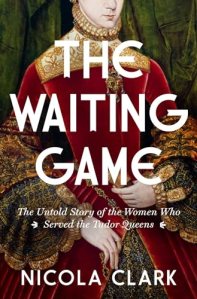 When we think about queens of the Tudor dynasties, we often think about films and dramas that show the queen with a gaggle of girls following behind, gossiping, and just being best friends with their queen. However, things on TV and on the screen are not always truthful. The ladies-in-waiting during the Tudor dynasty lived on a tightrope on whether to live their truths or to stay neutral and silent. For centuries, these women tended to be in the shadows of those whom they served, until now. Nicola Clark, in her debut book, “The Waiting Game: The Untold Story of the Women Who Served the Tudor Queens,” tells the stories of these hidden figures of Tudor history.
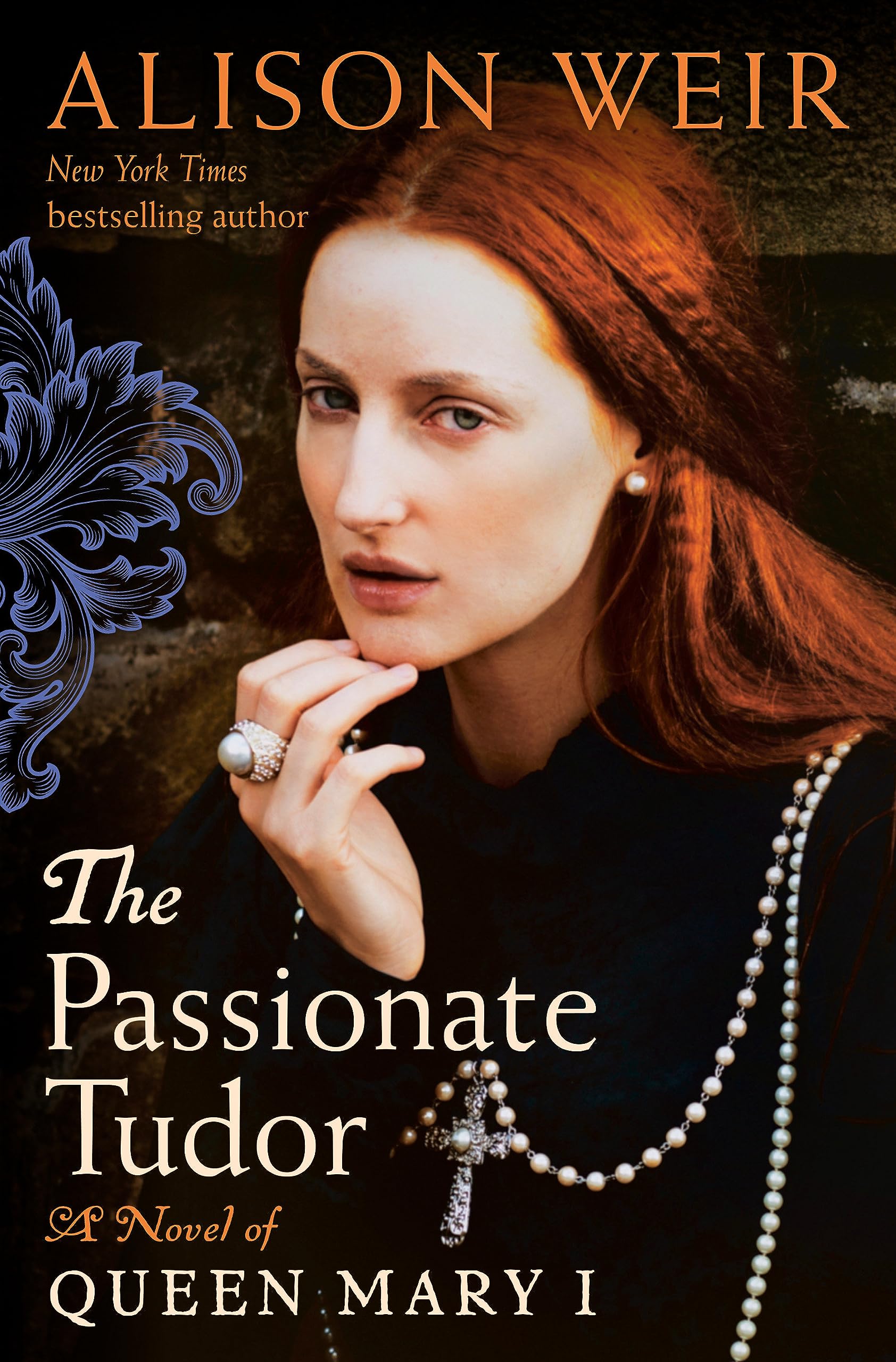 A king’s eldest child is usually the next in line to inherit the throne and become the next ruler. At least that is how the line of succession is supposed to work if the heir is male. Mary I knew this better than anyone. As the eldest daughter of King Henry VIII, she knew that once her mother Katherine of Aragon had a son, Mary would become a pawn in the marriage game. She was willing to accept this fate until her father fell in love with Anne Boleyn. Mary is declared a bastard and must fight for her inheritance and the crown of England while maintaining her Catholic faith. Alison Weir tells the tale of this remarkable woman, from her tumultuous childhood to her short reign that marked her legacy, in her latest novel, “The Passionate Tudor: A Novel of Queen Mary I.”
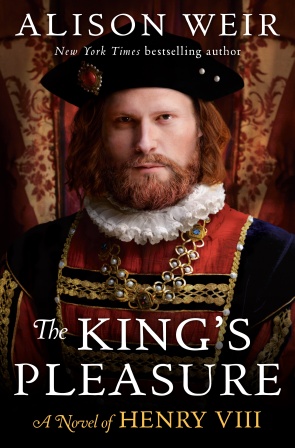 When we think about the Tudor dynasty, we often focus on the women in King Henry VIII’s life and his children, at least when it comes to novels. Writing about this larger-than-life figure, this notorious king and controversial figure in English history, are usually considered ambitious. Few have attempted to write a book about the king’s entire reign, but Alison Weir has embarked on this endeavor in her latest novel, “The King’s Pleasure: A Novel of Henry VIII.”
 When we think about the men who surrounded King Henry VIII, a few names come to mind. Cranmer, More, Wolsey, and Wroithesley are just a few, but the man who is synonymous with the infamous king’s reign is Thomas Cromwell. The man who helped Henry get his divorce from Katherine of Aragon saw both the rise and fall of Anne Boleyn. He also assisted in the dissolution of the monasteries and brought reform to England with the break from the Roman Catholic Church. To modern audiences, it feels as if we know everything that there was to know about Thomas Cromwell’s public life, but what was he like in his private life when his friends and family surrounded him? Caroline Angus gives her readers an insight into Cromwell’s personal life in her latest book, “The Private Life of Thomas Cromwell.”
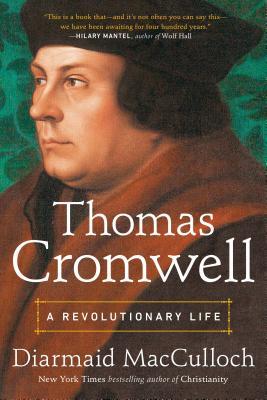 The stories of King Henry VIII and the men around him have fascinated generations of historians, but there was one man who has received a negative reputation for his actions. He was the supposed son of a butcher who rose to be Henry VIII’s right-hand man, until his dramatic fall in July 1540. Thomas Cromwell was credited for helping Henry with his Great Matter, the fall of Anne Boleyn, the establishment of the Church of England, and the disastrous marriage between Henry and Anna of Cleves. Diarmaid MacCulloch has taken on the challenge to figure out who Thomas Cromwell really was by sifting through all remaining archival records that we have from this extraordinary man. It is in this book, “Thomas Cromwell: A Revolutionary Life” that MacCulloch masterfully explores the story of this man who changed English and European history forever.
 Adventures of a Tudor Nerd