
 Castles, the monuments of medieval times, are buildings that hold many tales. Tales of sieges and sorrow, triumphs and tribulations. Through the centuries, their stones and foundations held many secrets. Some of the stories are famous, but most are hidden in the shadows of time and are hidden in ruins. Although castles exist in numerous countries and are centuries old, the castles of medieval England tell a story of a country facing turmoil and changing European and world history forever. Malcolm Hislop, a historian and researcher who specializes in architecture and archaeology, has written a single book exploring every medieval castle and its original architecture entitled, “A Guide to the Medieval Castles of England.”
I would like to thank Pen and Sword Books and Net Galley for sending me a copy of this book. I am somewhat of an architecture novice. I did take a class about the history of art and architecture when I was in college. When I saw the title of this book, I was hoping that he would dive into the terminology and the history of how each castle changed over time. Hislop does his best to deliver just that for his readers.
Hislop begins by explaining the premise behind this book and what the time range will be for a castle to be considered medieval, which is if it was built between 1050 and 1500, which means this book covers over 400 castles. It is quite a mammoth task to cover that many castles and so much archeology, but Hislop does include a sort of glossary to help his readers traverse the complex world of medieval architecture. I do wish that Hislop included terms like motte and bailey in his glossary to help distinguish the different types of castles for novices.
The bulk of this book is focused on the gazetteer, which is simply a list of castles from A to W. Each entry explains where the castle is located, whether it is open to the public or not, a brief history of the occupants and builders of the castle, and finally detailed descriptions of the castle. While I do appreciate the effort that it took to write this book if you are not in England or a writer of historical fiction or nonfiction, this particular guide may seem a bit dry as a read. I feel like if I took a trip to England, I might take this book along with me as a starting point for which castles I should visit, but I think it might not be the best book for casual readers. It’s a resource and not necessarily a riveting read and that may be because Hislop’s approach is more academic than casual history.
Overall, it is an academically sound book but it is not a casual read. This is a book for those who are architecture aficionados, castle nerds, medieval academics, and those who want to explore the ruins of England’s past. If this sounds like you, I recommend you read, “A Guide to the Medieval Castles of England” by Malcolm Hislop.
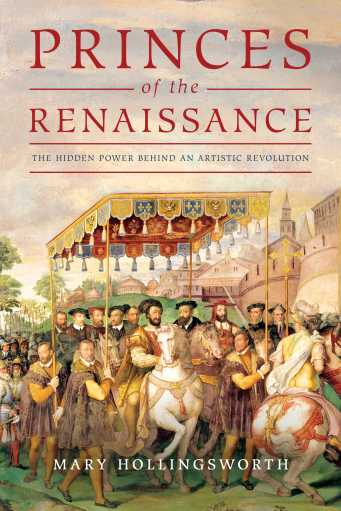 The 15th and 16th centuries were full of dynamic political and religious reforms, but they were also known for cultural changes throughout Europe. The medieval foundations started to crumble, and the early modern age emerged. One of the centers of change was Italy, a series of states with their rulers vying for power and prestige. These rulers would help finance masterpieces in art, literature, and architecture, but it was their rivals that threatened to tear the Renaissance society apart. In “Princes of the Renaissance: The Hidden Power Behind an Artistic Revolution,” Mary Hollingsworth explores the lives of the men and women who helped shape the Renaissance.
 In history, we tend to focus on the stories of the men and women who shaped the era. This is obviously important, but the locations where the events of the past happened are equally as important. Sadly, many of the buildings that the men and women from the past knew no longer exist. However, there are a few, especially from the Tudor period, that we can still visit. Suzannah Lipscomb explored over 50 of these remarkable buildings and decided to tell their tales in her book, “A Journey Through Tudor England”.
 Adventures of a Tudor Nerd