
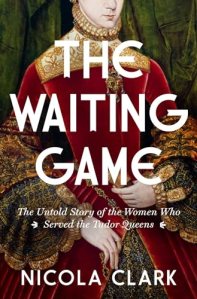
 When we think about queens of the Tudor dynasties, we often think about films and dramas that show the queen with a gaggle of girls following behind, gossiping, and just being best friends with their queen. However, things on TV and on the screen are not always truthful. The ladies-in-waiting during the Tudor dynasty lived on a tightrope on whether to live their truths or to stay neutral and silent. For centuries, these women tended to be in the shadows of those whom they served, until now. Nicola Clark, in her debut book, “The Waiting Game: The Untold Story of the Women Who Served the Tudor Queens,” tells the stories of these hidden figures of Tudor history.
I have been following Nicola Clark on social media and her research. When I heard that she was writing a book about the ladies-in-waiting for the Tudor queens, I was intrigued. I wanted to see what new information Clark could provide to the study of the Tudor court.
Clark has decided to focus on the ladies-in-waiting during the reign of the six wives of Henry VIII. While there were numerous ladies-in-waiting during Henry’s 36-year reign, Clark has made a conscious decision to focus on a select few of the women who served. She has chosen seven women to highlight: Maria de Salinas, Lady Willoughby, Elizabeth Stafford, Duchess of Norfolk, Mary Howard, Duchess of Richmond, Gertrude Blount, Marchioness of Exeter, Jane Parker, Viscountess Rochford, Anne Basset, and Katherine Willoughby, Duchess of Suffolk. Some of these figures, such as Maria de Salinas, Jane Parker, and Katherine Willoughby, are relatively familiar to average Tudor fans; however, including other women from different levels of service, from novices to more experienced ladies, adds depth to this area of study.
Clark shows us as readers what life was like for a lady-in-waiting, what they would deal with daily at court, and how, after they got married, home life was like. We get to see how they navigated an ever-changing world, from switching between queens quickly to figuring out what they were willing to sacrifice for their position and their families, as well as discovering whether their faith was strong enough to survive the dynasty. It was all a matter of time and patience.
I found this an enjoyable read with stories about women who were often on the sidelines. Clark shed light on more obscure Tudors, and I think it gave more dimension to the tumultuous Tudor court. I am curious what Clark will write about next. If you want to learn more about the ladies-in-waiting for the wives of Henry VIII, I recommend you read “The Waiting Game: The Untold Story of the Women Who Served the Tudor Queens” by Nicola Clark.
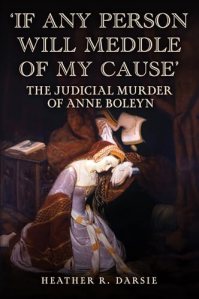 We all know the story of Anne Boleyn. The story of the English noblewoman who caught the eye of King Henry VIII, who decided to divorce his first wife, Katharine of Aragon, to marry Anne. He broke away from Rome and created the Church of England to do it, but marital bliss did not last long, as a few years later, Anne would leave their three-year-old daughter Elizabeth behind when she was executed by Henry over charges of adultery. We know this version of the story, but what if we look at Anne’s story from a continental European perspective? How does her story change when we view her life through a religious lens? Heather R. Darsie hopes to show her audience a different side of Anne Boleyn in her latest book, “‘If Any Person Will Meddle of My Cause’: The Judicial Murder of Anne Boleyn.”
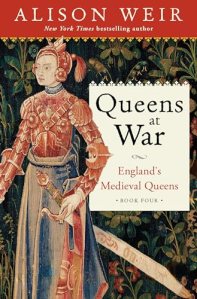 The fifteenth century in England was a time of war. Between a usurper king, fighting with France, and fighting amongst themselves, an English king must be prepared to go into battle at any moment, and his queen must be ready to support him in any way. During this period, there were five kings and queens, and while the kings get a lot of attention, it is the queens who should get their flowers for what they did in times of distress. Alison Weir explores the lives of the final five Plantagenet queens in her final book in the England’s Medieval Queens series, entitled “Queens at War.”
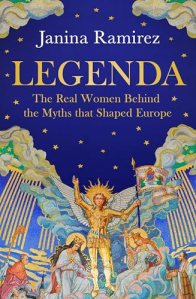 When we think of famous medieval European women, we often think of figures like Joan of Arc and Isabella of Castile. They are seen as women who broke the mold and challenged traditional stereotypes by becoming leaders in traditionally male-dominated fields. These women would be used to craft the identities of their respective nations, but they would help shape the identities of other women from the 18th and 19th centuries. We think we know the stories about these medieval women and their lives, but what new information can we learn from their lives when we examine their lives from their eras? Janina Ramirez takes the stories of seven medieval women and their contemporaries to show how their legacies have been transformed in her latest book, “Legenda: The Real Women Behind the Myths That Shaped Europe.”
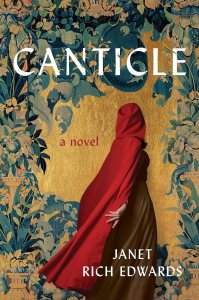 Have you ever believed in something or someone so much that you were willing to do anything to be with them? What if it meant isolating yourself from everyone and everything you loved? Aleys knows this all too well. Born near Bruges during the 13th century, Aleys believes that she is destined for great things and has religious visions. Can this young woman survive both religious and political challenges to make her aspirations of being closer to God a reality, or will she fly too close to the sun and lose everything? Janet Rich Edwards tells Alleys’ tale in her debut novel, “Canticle.”
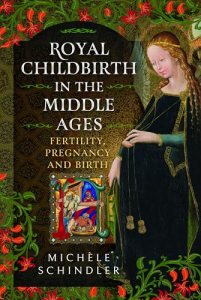 Throughout history, many aspects of life have changed drastically, but one thing has remained the same: the different stages of life—birth, youth, adolescence, adulthood, old age, and death. It is the first stage of life, birth, that tends to get the least amount of attention when it comes to historical research. In recent years, it has been gaining more and more attention, especially when it comes to royal births, which have the most amount of written records. Michele Schindler has chosen to focus on the aspects of medieval childbirth in her latest book, “Royal Childbirth in the Middle Ages: Fertility, Pregnancy and Birth.”
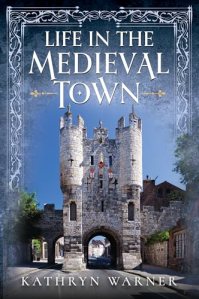 Have you ever watched a movie, played a video game, or read a novel set in the Middle Ages and wondered if life was really like that? Was it super dirty, grimy, and deadly, or is this a fictional device to show how bad the past was compared to the present? Kathryn Warner has delved into the archives to uncover the truth about what life was like in an average medieval town for her latest book, “Life in the Medieval Town.”
 Have you ever read about a historical figure and used what they went through to help you get through difficult times? It is as if you read about their life at the perfect time in your life to help you get through your own struggles. Growing up, for me, it was reading about young Elizabeth I. For Ana Garriga and Carmen Urbita, it was reading about 16th and 17th-century nuns, the ones that they were researching for their PhDs. What lessons did Garriga and Urbita find when they were researching two centuries and the nuns who lived during this period? They share the lessons that they learned from the past in their book, “Convent Wisdom: How Sixteenth-Century Nuns Could Save Your Twenty-First Century Life.”
 Adventures of a Tudor Nerd