
 The world of the 16th century was full of change and equally colorful characters. Most of the dynamic figures of this century were women, who were willing to fight in their ways for what they believed in, whether it was family, faith, or their country. They were heroines in different ways, and each had a story to tell. Each woman had to deal with her obstacles to reach their desired goal, no matter what her station was, from queens and great heiresses to nuns, and even a pirate. Sharon Bennett Connolly has decided to include a handful of these stories in her latest book, “Heroines of the Tudor World.”
I would like to thank Amberley Publishing for sending me a copy of this book. I have been a fan of Sharon Bennett Connolly’s books on medieval women, so when I heard that she was going to tackle the 16th-century and the Tudor world, I knew I wanted to read it. I wanted to see what stories she would select and how far into the Tudor world she would explore.
Connolly begins her book by explaining how the 16th century differed from the medieval times as records about women were becoming more accessible. It was also a time of transition, reformation, and the discovery of the “new world.” Each chapter focuses on a different kind of woman; from the ideal to martyrs for their faiths, scandalous heroines, those who were disinherited, pawns in the bigger game of life, warriors, captives, and survivors. Although it can be difficult to place certain tales of women in just one category, Connolly gave her readers a thrilling look into the 16th century.
It was the stories of these extraordinary women who made this book an exceptional read. There are the typical women who are featured heavily in these kinds of narratives; Elizabeth of York, Margaret Beaufort, the wives of Henry VIII, Mary I, Elizabeth I, Mary Queen of Scots, and Catherine de Medici. However, Connolly decided to include lesser-known women. We have mistresses like Diane de Poitiers and spies like Margaret Dymoke, Lady Coffin. Some great heiresses were disinherited like Claude of France and Elizabeth Fitzgerald, as well as pawns like Marguerite de Valois and captives such as Lady Katherine Gordon and Honor Grenville, Lady Lisle. Of course, some women decided to take matters into their own hands and fight for what they believed in, such as Isabella of Castile, Jeanne d’Albret Queen of Navarre, and Grace O’Malley.
I thoroughly enjoyed learning about the heroines that Connolly included in this book, but my only complaint is that it was not a longer book. There are so many interesting women outside of the European world in the 16th century and I wish she would have highlighted them. Maybe Connolly will write a sequel book to this one to include even more Tudor heroines. If you have enjoyed Sharon Bennett Connolly’s previous books and you are a Tudor nerd, I highly suggest you read, “Heroines of the Tudor World.”
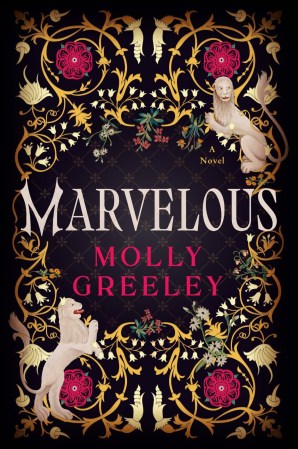 The tale is as old as time, of beauty and the beast. We know the story from either Disney or retellings. A peasant girl finds herself locked in a castle with a prince who is transformed into a hideous beast. He can only change back into a human if he can learn to love another person. Like many fairy tales, we often ask ourselves whether this story can be based on historical facts. Molly Greeley believes that Beauty and the Beast’s origins could be found in the true story of Pedro and Catherine Gonzales, who lived in the court of Catherine de Medici. She has chosen to tell their love story in her latest novel, “Marvelous.”
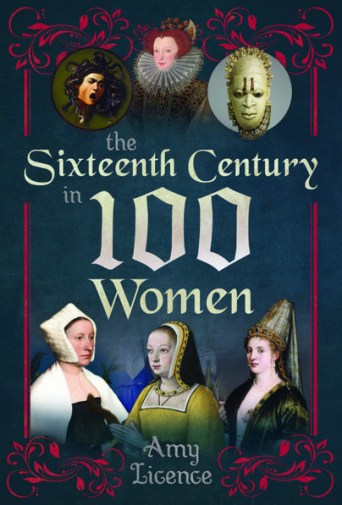 When we think of the phrase “16th-century women,” we often consider those from royal or noble houses throughout Europe. We tend to think of women like the six wives of Henry VIII, Mary I, Elizabeth I, Catherine de Medici, Mary Queen of Scots, and others associated who made an impact during the Renaissance and the Reformation. However, the 16th century did not stop at the borders of Europe; it extended all over the globe. There are many stories of women from all over the world and from different social classes that can help us understand how the world changed in the 16th century. Amy Licence took this concept and decided to write her latest book about a variety of women from around the world who lived in the 16th century, “The Sixteenth Century in 100 Women.”
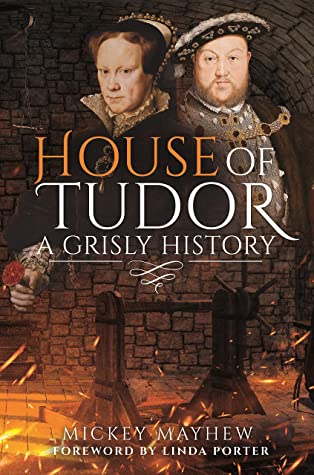 The glitzy, glamorous life of the Tudors portrayed in popular TV shows and novels mask the truth of this infamous dynasty. It is more bloody than what has been described. It is filled with grotesque executions, deadly diseases, bloody battles, and bloody battles. What happened to Richard III’s remains? What was Tudor torture like for those unfortunate victims? What were other devious tales at play in 16th-century Europe? Mickey Mayhew has worked hard to answer these questions by combining 45 of the most gruesome stories from this dynasty into one book, “The House of Tudor: A Grisly History.”
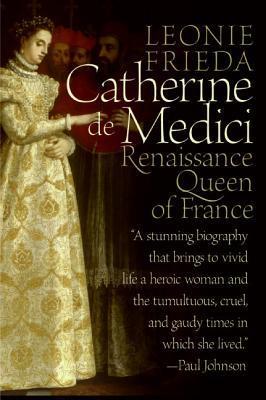 When we think about women rulers in the 16th century, some names, like Queen Mary I, Queen Elizabeth I, and Mary Queen of Scots, come to mind. However, another woman should be included in this list as her life helped keep the Valois dynasty alive and well in France, even though she was Italian by birth. Her name has been tainted with dark legends of poisoning, deadly incidents, and the infamous St. Bartholomew’s Day Massacre. This notorious queen was Catherine de Medici, and Leonie Frieda has chosen to shed some light on the myths and mysteries surrounding this misunderstood woman in her biography, “Catherine de Medici: Renaissance Queen of France.”
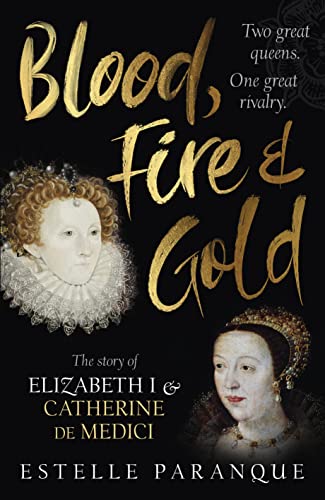 Two queens; one a wife and the mother of kings and the other a virgin who had to fight for the right to rule her country independently. Two women who found friendship and a rivalry between each other with only a sea that divided them and religious discord to drive them apart. Catherine de Medici and Elizabeth I would define what it meant to be female rulers in the 16th century for France and England, respectively. The tales of Elizabeth I and Catherine de Medici have been covered in numerous books, but a joint biography of these two powerhouses is a rarity until now. Estelle Paranque demonstrates how both queens greatly affected each other’s lives in her latest book, “Blood, Fire & Gold: The Story of Elizabeth I and Catherine de Medici.”
 attention towards women like Elizabeth I, Isabella of Castile, Katherine of Aragon, Mary I and Catherine de Medici. These seemed like extraordinary examples of power that stretched the boundaries on what was right and acceptable for women of the time. That, however, couldn’t be further from the truth. In fact, the sixteenth century in Europe was filled with powerful women who do not get the attention that they deserve. In Sarah Gristwood’s book “Game of Queens: The Women who made Sixteenth- Century Europe”, we are shown that it really wasn’t the men who had control, but their wives and daughters.
 Adventures of a Tudor Nerd