
 Throughout English history, a colorful cast of queens has left their marks in their distinct ways. While the Plantagenet and Tudor queens are more well-known, the Stuart queens and the mistresses of the Stuart kings were dynamic in their unique ways. One of the lesser-known queens was the wife of King Charles II. Though Charles II is known for his numerous mistresses, his wife Catherine of Braganza is not discussed much in England, but in her native Portugal, she is famous. So who was Catherine of Braganza, and what is her legacy in England and Portugal? Susan Abernethy tells the story of this almost forgotten queen in her book, “Charles II’s Portuguese Queen: The Legacy of Catherine of Braganza.”
I would like to thank Pen and Sword Books and Net Galley for sending me a copy of this book. I am someone who is dipping her toes into the Stuart dynasty, so I wanted to explore a story about someone new to me. When I saw the title and subject of this book, it piqued my curiosity because I have heard of Catherine of Braganza, but I know nothing about her.
Before we dive into the actual life of Catherine of Braganza, Abernethy takes the time to explore the relationship between Portugal and England, which culminated in the union of King Charles II and Catherine. I didn’t know much about the history of Portugal except for the aspect that is included during the life of John of Gaunt, so I was excited to learn more about how Portugal became a trading and exploration powerhouse. It was the rise of the House of Braganza that propelled Catherine into a position to marry the King of England.
As the daughter of King John IV of Portugal and Queen Luisa de Guzman, Catherine was destined to marry a member of royalty, but the issue was a matter of faith. Catherine was a devout Roman Catholic, whereas Charles II was a Protestant who was trying to restore his kingdom after the reign of the Protector Oliver Cromwell. Catherine also had to deal with the numerous mistresses of Charles II, like Barbara Villiers, Lucy Walter, Louise de Keroualle, and Nell Gwyn, who were able to give Charles children while Catherine remained barren. Throw in a few anti-Catholic plots, and you can start to understand the strain Catherine was under while living in England. Eventually, after the death of Charles II, Catherine decided to return to her native Portugal, where her life took an unexpected twist with the War of the Spanish Succession until she died in 1705.
I found Catherine of Braganza such a fascinating figure. She did so much in her lifetime, and it is a shame that Catherine does not get more attention. Abernethy does an excellent job of telling the story of this queen who is often in the shadow of more boisterous figures of the age and integrating the history of Portugal into this book. If you want to learn more about a Stuart queen who is often forgotten and her impact on two nations, I highly recommend you read “Charles II’s Portuguese Queen: The Legacy of Catherine of Braganza” by Susan Abernethy.
 English royal history is filled with fantastic stories of triumphs and tribulations, grand romances, and divorces that shook the foundations of the monarchy. It is also filled with struggles over religion, wars both inside England and with foreign nations, and heartbreaking child losses. We often think about the spouses of the Plantagenets and the Tudors when we think about royal romances, but we shouldn’t forget about the dynasties that came after, like the Stuarts. So how did the Stuart dynasty come to be and how did the unions between monarchs and their significant others affect the dynasty and England? Heather R. Darsie explores this often-overlooked dynasty and the stories of their marriages and romances in her latest book, “Stuart Spouses: A Compendium of Consorts from James I of Scotland to Queen Anne of Great Britain.”
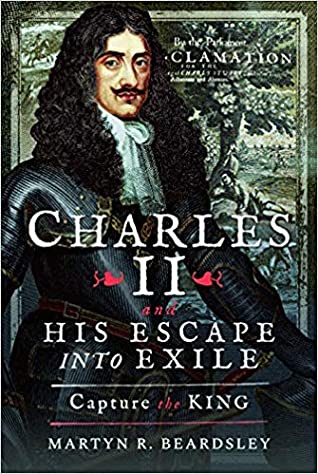 On January 30, 1649, the Stuart monarchy took a major hit when Charles I was tried and executed by the Rump Parliament, making way for the Commonwealth of England to take control. His eldest son, Charles II, fled England leaving the control of the country in the hands of Oliver Cromwell. Two years later, in 1651, Charles tried to make his triumphant return to restore the monarchy. However, it failed miserably at the Battle of Worcester on September 3, 1651; Charles II was able to escape with the help of those loyal to the crown. The story of his escape from Cromwell’s men and his exile in Europe are told in Martyn R. Beardsley’s book, “Charles II and His Escape into Exile: Capture the King.”
 Adventures of a Tudor Nerd