
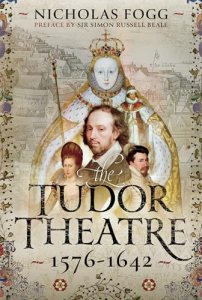
When we think about the world of the Tudor theatre, we often think about the greatest playwrights of the age. Kit Marlowe, Ben Jonson, Thomas Kyd, and of course, William Shakespeare. We think of the Globe Theatre and the grand plays and masques that were performed for the rich and the poor alike. But this is only a small glimpse into the world of the Tudor theatre scene. Nicholas Fogg explores the beginnings and the end of this period in theatrical history in his book, “The Tudor Theatre: 1576-1642.”
I would like to thank Pen & Sword Books and NetGalley for providing me with a copy of this book. I am not very well-versed in theatre history, so I was hoping for something that would be easy for me to follow along, yet also very informative.
Fogg begins in the year 1576 with the opening of The Theatre, which was a passion project of James Burbage. It was the first location dedicated solely to plays and acting, but it will not be the last. Over sixty years, we see the explosion of the theatrical arts from the great playwrights to lesser-known figures. Fogg takes the time to analyze the popular plays and those that don’t get enough attention. We also get to see how politics, the Puritans, and the plague affected the theatre scene. We witness the rise and fall of actors, playwrights, and theatres until the Puritans finally decided to close theatres for good in 1642, once the Stuarts fell for a time.
Fogg is an expert in this field of study, and he shows it on each page, but sometimes, as a novice, I felt a bit lost. The amount of information in this book was a bit overwhelming for someone like me, who is not too familiar with the theatre world. However, if you are someone who loves the Tudor theatre and wants an in-depth look at this period of theatrical history, you might enjoy “The Tudor Theatre: 1576-1642” by Nicholas Fogg.
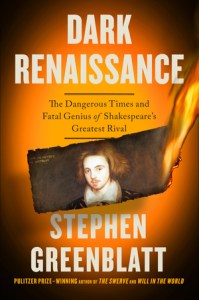 Sixteenth-century England was a time of great change. There were religious changes as the crown passed from one member of the Tudor family to another. Wars and illnesses like the plague and the sweating sickness were rampant. However, this was also a time of an explosion of the arts, particularly of the theatre. We see men like William Shakespeare and Ben Jonson rise from obscurity to write plays that would propel them to become phenomena. There was a third playwright who should be included in this list. He was the son of a cobbler who was educated at Cambridge University. A brilliant man who wrote groundbreaking plays while he was a spy for her majesty Queen Elizabeth I, his cause of death when he was only in his twenties would remain a mystery for centuries. Christopher (Kit) Marlowe’s story is told in Stephen Greenblatt’s latest book, “Dark Renaissance: The Dangerous Times and Fatal Genius of Shakespeare’s Greatest Rival.”
 Time travel is a dream for history and science fiction nerds alike. To be able to go to a different period in history to witness major events sounds like it would be tons of fun, but it can also be treacherous if you do not know the era well. What should you wear? Where would you live? What would your occupation be and what should you eat? If you are invited to court, how do you navigate the crazy court intrigue and the ever-changing religious dilemma? Toni Mount has created the ideal book for those who wish to travel to the 16th century called, “How to Survive in Tudor England.”
 Adventures of a Tudor Nerd