
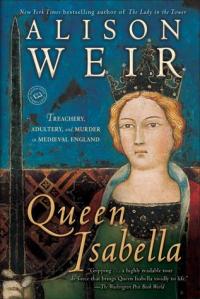
 Throughout medieval English history, there have been some famous queens who left their marks. Empress Matilda, Eleanor of Aquitaine, Eleanor of Castile, Philippa of Hainault, and Margaret of Anjou each left an impression on English history, either good or bad. However, there was one queen whose negative reputation came with the nickname “She-Wolf of France,” and her name was Queen Isabella of France. The wife of Edward II and mother of Edward III, she left her husband for Roger Mortimer and overthrew her husband in favor of her son. For centuries, she has been viewed as a horrible villainess, but is that a fair assessment of her life? Alison Weir dives into the archives to find the truth about Isabella of France, and she presents her findings in her biography, “Queen Isabella: Treachery, Adultery, and Murder in Medieval England.”
As a fan of Alison Weir, I am trying to read every book she has written so far, so when I saw this book in a used book store, I jumped at the chance to read it. I have read books that have featured Isabella of France, but I have never read a biography about her until now. I wanted to see if this book would change how I feel about her.
Isabella of France was the daughter of Philip IV, King of France, and Jeanne I, Queen of Navarre, born in 1295. As the only surviving daughter of Philip and Jeanne, she was expected to make a match that would create an alliance, which she did when she married Edward II of England. On paper, it should have been an ideal match, but Edward II had his favorites. The first was Piers Gaveston, whom Edward II knew before he married Isabella. Edward paid more attention to advancing Gaveston than governing, which led to the great men of England (known as the Ordainers) enacting the Ordinances of 1311 and Gaveston’s execution in 1312. Edward II swore revenge against those who killed Gaveston.
For a while, Edward and Isabella had a loving relationship. They had four surviving children: Edward III of England, John of Eltham, Earl of Cornwall, Eleanor Countess of Guelders, and Joan Queen of Scots. Unfortunately, Isabella’s happiness would not last long as Hugh Despenser the Younger would take the place as Edward’s new favorite. Things got so bad for Isabella that she decided to leave for France, stay there with her son Edward III, and start a relationship with Roger Mortimer. It would end with an invasion of England, the death of the Despensers, Edward II captured, and Edward III becoming King of England.
Isabella of France’s reputation may have been marred for centuries for her role in overthrowing her husband in favor of her son, and for what happened to Edward II afterward, but I think Weir does a decent job in rehabilitating her reputation. I don’t necessarily agree with her assessment of Edward II, but I felt like, when it came to Isabella herself, I appreciate her story and feel a bit sympathetic for what she had to deal with. If you want a biography about Isabella of France, I would recommend you read “Queen Isabella: Treachery, Adultery, and Murder in Medieval England” by Alison Weir.
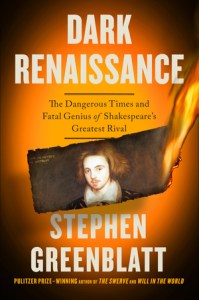 Sixteenth-century England was a time of great change. There were religious changes as the crown passed from one member of the Tudor family to another. Wars and illnesses like the plague and the sweating sickness were rampant. However, this was also a time of an explosion of the arts, particularly of the theatre. We see men like William Shakespeare and Ben Jonson rise from obscurity to write plays that would propel them to become phenomena. There was a third playwright who should be included in this list. He was the son of a cobbler who was educated at Cambridge University. A brilliant man who wrote groundbreaking plays while he was a spy for her majesty Queen Elizabeth I, his cause of death when he was only in his twenties would remain a mystery for centuries. Christopher (Kit) Marlowe’s story is told in Stephen Greenblatt’s latest book, “Dark Renaissance: The Dangerous Times and Fatal Genius of Shakespeare’s Greatest Rival.”
 The Plantagenets, a dynasty that ruled England for over three hundred years. At least that is if you include the Lancastrian and Yorkist kings. Otherwise, the reign of the Plantagenets ended with Richard II being overthrown. So, how did the Plantagenets fall? How did wars, favoritism, and the plague factor into the fall? Helen Carr examines these questions and the rule of three kings over the fourteenth century in her latest book, “Sceptred Isle: A New History of the Fourteenth Century.”
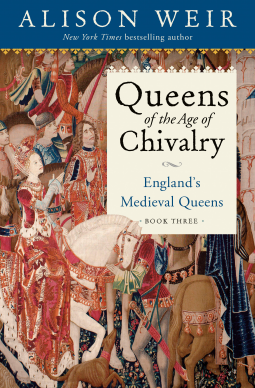 When we think of the title “medieval queen,” a few things come to mind. They were seen as mere trophy wives who were only suitable for making alliances and giving birth to children. It may be a cruel assessment for a modern audience, but that was the reality of the medieval world. However, the late Plantagenet queens decided to step outside the socially acceptable path for their lives and forged a new one. In Alison Weir’s latest nonfiction book, “Queens of the Age of Chivalry: England’s Medieval Queens,” she explores the lives of five Plantagenet queens who had to adapt quickly to the ever-changing world of late medieval England.
 When we think about royal relationships from the past, we do not associate them with love; it is more about cementing power. Princes and kings knew how much was at stake, so they tended to have wives for politics and produce legitimate heirs that would inherit their kingdoms. For matters of love and lust, kings and princes would have mistresses, either of noble birth or lower, on the side. These women have been deemed whores and homewreckers but is that a fair assessment of their legacies? Julia A. Hickey takes a closer look at these misunderstood mistresses in her latest book, “Medieval Royal Mistresses: Mischievous Women who Slept with Kings and Princes.”
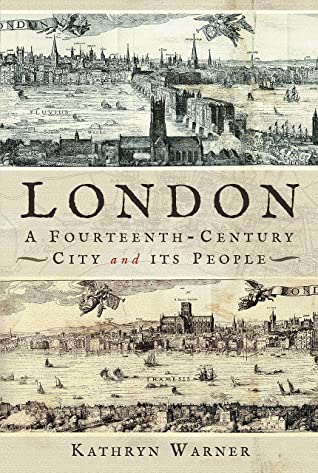 The city of London has been around for over two millennia, and with each passing century, it changes ever so slightly. From the Roman Londinium to medieval London, we see the city grow from a settlement of between 30,000 to 60,000 people to a bustling town of around 80,000 to 100,000 people. With growth comes changes to the city that would become the capital of England, and one of the most significant periods of transformation for the capital was during the fourteenth century. What was life like in fourteenth-century London for the average citizen of this sprawling city? Kathryn Warner attempts to answer this question in her latest nonfiction book, “London, A Fourteenth-Century City and its People.”
 In human history, when citizens have disagreed with a new law or those in charge, they often stage a protest to show their frustration. When their voices are not heard, people often turn to rebellions and revolts to make sure their opinions matter. We might think that revolution and rebellion as a form of protest are modern ideas, but they go back for centuries. Revolutions and rebellions shaped history, no more so than in the middle ages. In his latest book, “Rebellion in the Middle Ages: Fight Against the Crown,” Matthew Lewis examines the origins of the most famous rebellions in medieval England and how they transformed the course of history.
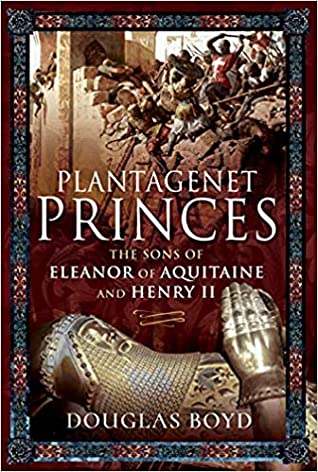 One of the most infamous families in the history of England lasted for over three hundred years and it was filled with numerous princes that fought for their right to rule, much to the chagrin of the Tudor dynasty. The Plantagenet Dynasty was full of scandals and bloodshed, testing the core values of what it meant to be a family and rulers of an emerging country like England. This dynastic clash for power that came to define this dynasty began with Henry II and his sons by his wife Eleanor of Aquitaine. When their father refused to give the boys any true power, which was to be excepted with all princes, his sons waged war against Henry II and their brothers. The stories of these bonds and what ultimately tore them asunder are told in Douglas Boyd’s latest collection of biographies aptly titled, “Plantagenet Princes: The Sons of Eleanor of Aquitaine and Henry II”.
 Being part of a royal family has its perks, like power and prestige. However, especially in medieval Europe, it meant that you could not marry the person you loved. Marriage was used as a tool to create strong alliances and the women from royal families were used as extremely powerful pawns to strengthen these connections. During the reigns of King Edward II and Edward III, three sisters proved to be very valuable pawns in the marriage market. They were the Clare sisters, Eleanor, Margaret, and Elizabeth. Their stories of their numerous marriages and abductions help to tell the tale of English politics during the reigns of their uncle King Edward II and his son Edward III. Kathryn Warner’s latest book, “Edward II’s Nieces The Clare Sisters: Powerful Pawns of the Crown” explores how these sisters and their families helped transform England during this transformative time in history.
 Adventures of a Tudor Nerd