
 Today, I am pleased to share my book review of the latest Elizabethan novel by Tony Riches as my contribution to his “Essex: Tudor Rebel” blog tour. Thank you to Tony Riches for sending me a copy of his latest novel, and to The Coffee Pot Book Club for allowing me to take part in this tour.
Being a favorite of a queen is not all glitter and fame. Take, for example, the men who were considered the favorites of Elizabeth I. They had to deal with a queen whose temper and praise were interchangeable. One of the most famous examples of a favorite enduring the wrath of the queen was Robert Devereux, Earl of Essex. A handsome rascal who had a mountain of debt to his name, Essex tries to follow his queen’s orders while staying true to his nature. His road from loyal man to Elizabeth I, his numerous adventures, and his ultimate rebellion are masterfully told in Tony Riches’ latest Elizabethan novel, “Essex: Tudor Rebel”.
I would like to thank Tony Riches for sending me a copy of his latest novel. I enjoyed his first venture into the Elizabethan era about Sir Francis Drake. When I heard about this novel, I was excited to dive in. Obviously, I knew about the Essex Rebellion and Essex’s fall from grace, but I really wanted to know about the man behind it all.
Robert Devereux was the son of Lettice Knollys and Walter Devereux, 1st Earl of Essex. Many recognize Robert’s rather remarkable mother Lettice Knollys as she would gain the ire of Queen Elizabeth when she married the Queen’s favorite, Robert Dudley. Essex’s father Walter would die with a mountain of debt when Essex was a boy. The fact that Essex grew up as a poor Earl does not make him stray away from the lavish lifestyle that he craves. In fact, he adds to his father’s debt with his own, making it nearly impossible to pay off.
What makes him so appealing to Queen Elizabeth I is his youthful bravado. Essex is like a son to Elizabeth I. They were so close that some assumed that they were lovers. Riches puts this myth to rest in this novel. That does not mean that Essex was single like his queen. In fact, he did marry the daughter of the famous spymaster Sir Francis Walsingham. His daughter, Frances, is extremely loyal to her children and is not afraid to speak her mind when she believes that Essex is in the wrong. Essex is not exactly the most loyal of husbands as he does have affairs and illegitimate children.
Essex did not shy away from battles. He was known for his ventures in France, Cadiz, and Ireland, but his reputation would be battered like the numerous storms he encountered. He wanted the glory to restore his reputation, but his naivete and anger towards the queen who treated him like a son would lead to his downfall.
There is something magical about a new novel by Tony Riches. He is able to capture the audience’s attention with realistic scenarios, characters that jump from the pages of the past, and dialogue that is entirely believable. Essex may seem like an outlandish character, but his desire to restore his honor and to pay back his debt is understandable. There were moments where I was getting frustrated with Essex because of his poor decision-making skills, but Riches really made me feel sympathetic for this naive young rogue by the end. If you want another brilliant escape into the late Tudor age, I highly recommend you read book two in Tony Riches’ enchanting Elizabethan series, “Essex: Tudor Rebel”.
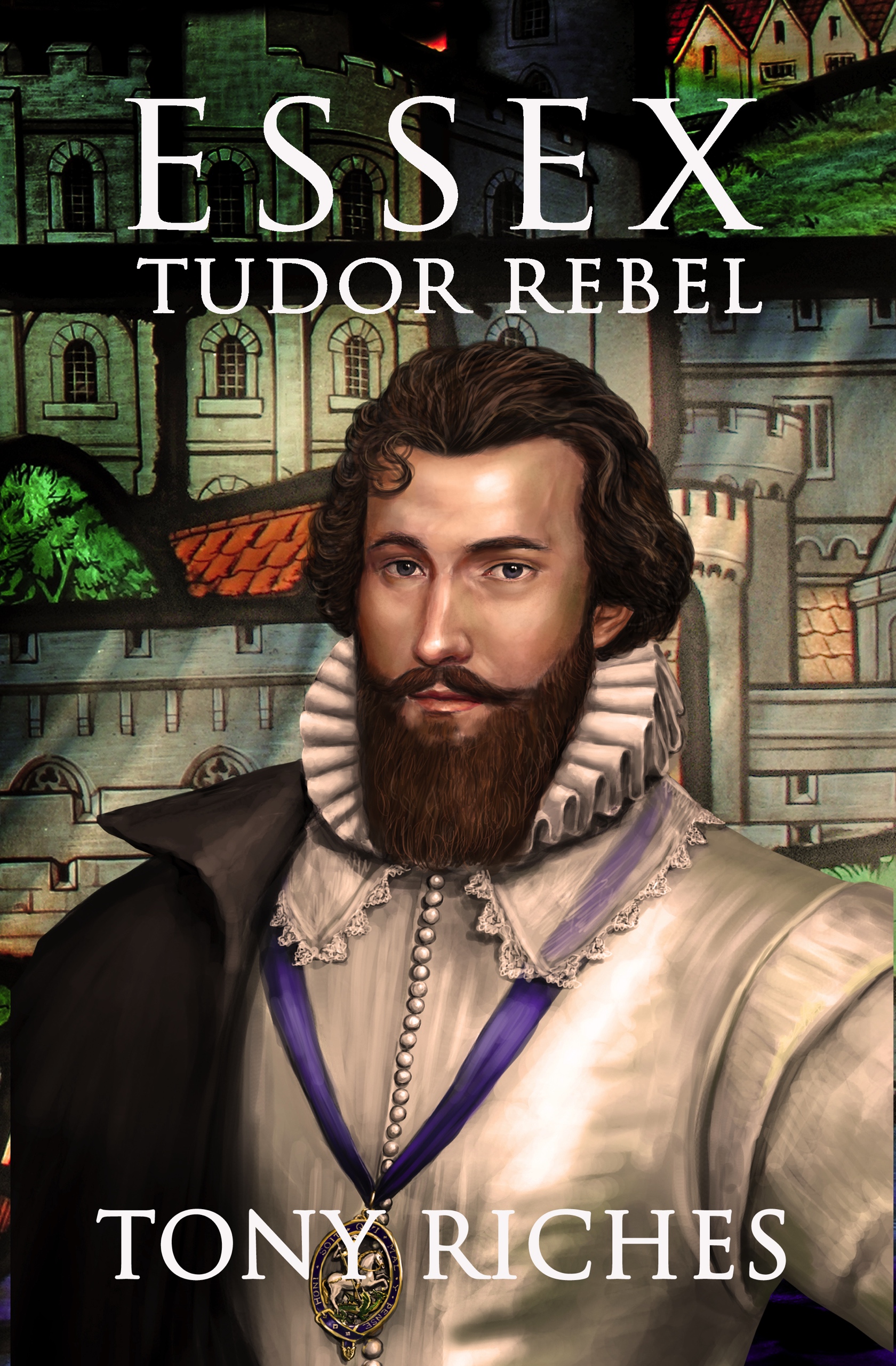 (Blurb)
Robert Devereux, Earl of Essex, is one of the most intriguing men of the Elizabethan period. Tall and handsome, he soon becomes a ‘favourite’ at court, so close to the queen many wonder if they are lovers.
The truth is far more complex, as each has what the other yearns for. Robert Devereux longs for recognition, wealth and influence. His flamboyant naïveté amuses the ageing Queen Elizabeth, like the son she never had, and his vitality makes her feel young.
Robert Devereux’s remarkable true story continues the epic tale of the rise of the Tudors, which began with the best-selling Tudor trilogy and concludes with the reign of Queen Elizabeth I.
Buy Links:
This novel is free to read with #KindleUnlimited subscription.
Universal Link: https://books2read.com/u/bwo16Y
Amazon UK: https://www.amazon.co.uk/dp/B09246T7ZT
Amazon US: https://www.amazon.com/dp/B09246T7ZT
Amazon CA: https://www.amazon.ca/dp/B09246T7ZT
Amazon AU: https://www.amazon.com.au/dp/B09246T7ZT
 Author Bio
Tony Riches
Tony Riches is a full-time UK author of best-selling Tudor historical fiction. He lives in Pembrokeshire, West Wales and is a specialist in the history of the Wars of the Roses and the lives of the early Tudors. Tony’s other published historical fiction novels include: Owen – Book One Of The Tudor Trilogy, Jasper – Book Two Of The Tudor Trilogy, Henry – Book Three Of The Tudor Trilogy, Mary – Tudor Princess, Brandon – Tudor Knight and The Secret Diary Of Eleanor Cobham.
Social Media Links:
Website: https://www.tonyriches.com/
Twitter: https://twitter.com/tonyriches
Facebook: https://www.facebook.com/tonyriches.author/
LinkedIn: https://www.linkedin.com/in/tonyriches/
Instagram: https://www.instagram.com/tonyriches.author/
Amazon Author Page: https://www.amazon.com/Tony-Riches/e/B006UZWOXA
Goodreads: https://www.goodreads.com/author/show/5604088.Tony_Riches
 The year is 1586 and Ursula Blanchard is on a mission to protect Queen Elizabeth I. After returning home from a previous mission, Ursula and her household come into contact with a countrywoman named Etheldreda Hope who has brought a peculiar case to the forefront. In the forest by the village that Etheldreda calls home, there have been strange rituals occurring that include reference to an evil queen. Are these rituals harmless or is there a sinister motive behind the beliefs of the pagans who meet in the forest? Will Ursula and her household solve the case in time? This is the premise of Fiona Buckley’s latest Ursula Blanchard Tudor mystery, “Forest of Secrets”.
 Have you ever read a history book and wondered what life was really like for those who lived in the past? To understand a time period and the motives of the people of the past, we have to understand the structure of their society. How they understood things like class, sex, violence, government, and religion is essential for us to understand what separates us from our ancestors. What they ate, what they wore, and where they slept also give a unique insight into the time period. It can be a difficult undertaking to figure out all of the different aspects of the past connect and to present it cohesively, yet acclaimed historian Ian Mortimer has embraced this challenge head-on to tackle one of the most complex periods of the past; the Elizabethan era. His love letter to the Elizabethan age entitled, “The Time Traveler’s Guide to Elizabethan England” is a delightfully imaginative guide to the past.
 The last Tudor monarch, Queen Elizabeth I, was known for many things, but her main legacy is that she never chose to marry anyone. She was the infamous “Virgin Queen”. However, there were those around her who manage to capture her attention and her admiration for a time. The most famous of these men was Robert Dudley, Earl of Leicester. He was a massive supporter of the arts and the Protestant faith, gaining prestige and praise from his highly exalted monarch. Yet, his life and his relationship with his wives, his enemies, and Elizabeth I was full of dangers and numerous scandals. Who was this man who wooed the heart of the most eligible woman in all of 16th century Europe? Robert Stedall investigates the relationship between these two lovers destined to never marry each other in, “Elizabeth I’s Secret Lover: Robert Dudley, Earl of Leicester”.
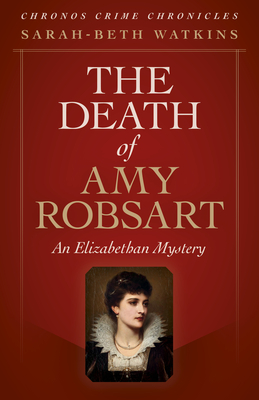 On September 8, 1560, a woman was found dead at the bottom of a flight of stairs inside Cumnor Place. The only visible marks on her body were two wounds on the side of her head, yet her neck was clearly broken. If she was an ordinary woman, her death would not have been remembered through the centuries, yet she was no ordinary woman. She was the wife of Robert Dudley, the man who was considered as one of Queen Elizabeth I’s favorite courtiers. Amy Robsart was a third wheel in the relationship between her husband and the queen, but does that mean that she was murdered? In her latest book, “Chronos Crime Chronicles- The Death of Amy Robsart: An Elizabethan Mystery”, Sarah-Beth Watkins plays detective to uncover the cause of death and the possible motive for those who wanted to see Amy dead.
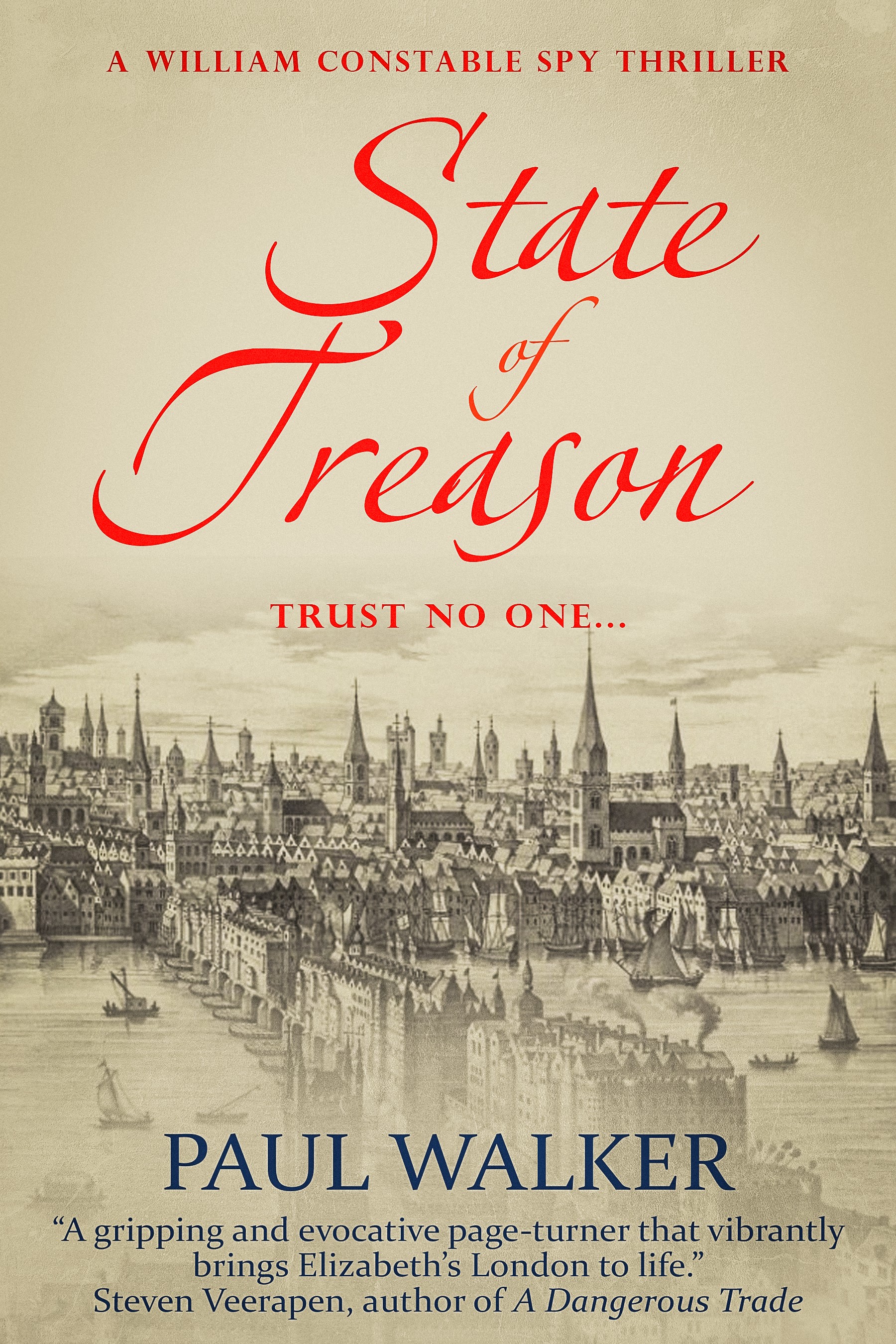
 Today, I am pleased to welcome Paul Walker, the author of “State of Treason” Book one of the William Constable Spy Thriller series, to my blog as part of his book tour with The Coffee Pot Book Club. Paul Walker will be discussing one of his characters, John Foxe.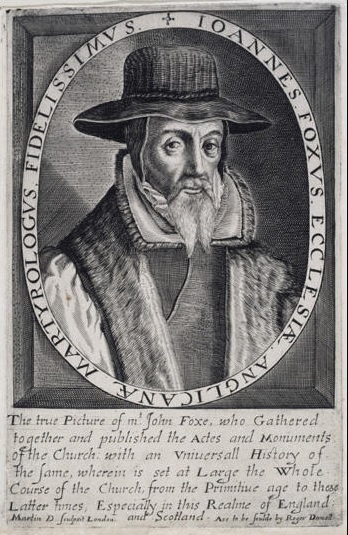

 Action, adventure, drama, heartache, and love are what people crave when they read fictional stories. Yet, these elements are ever-present in the stories from the past. Each one of these topics could be explored in numerous ways when we are discussing history, but an area in history where romance and love were intermingled with politics was Elizabethan England. Queen Elizabeth I was obviously known as the “Virgin Queen” because she chose not to marry, but that did not mean that her subjects were banned from love and marriage. How did Elizabethans view the ideas of love, marriage, and sex? In this book, “Sex, Love, and Marriage in the Elizabethan Age”, R.E. Pritchard sets out to explore what love, marriage, and the intimate moments meant to Elizabethans of every class.
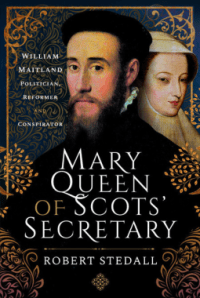 One of the most dynamic queens in 16th century Europe who spent most of her youth in a country that was not her homeland, but was fighting for the right to rule England. Her name was Mary Queen of Scots, the cousin of Queen Elizabeth I. Many know of her tragic tale, but there was a man who was behind the scenes trying to guide Scotland to a brighter future. He was not married to Mary Queen of Scots, but he was influential in her life and choosing who she might marry and who she would end up divorcing. He was a politician and a religious reformer whose decisions would alter history dramatically. His name was William Maitland and he served as Mary’s secretary. He is always mentioned as a footnote in history, until now. Robert Stedall’s latest biography, “Mary Queen of Scots’ Secretary: William Maitland- Politician, Reformer, and Conspirator”, explores the life and legacy of this rather extraordinary secretary.
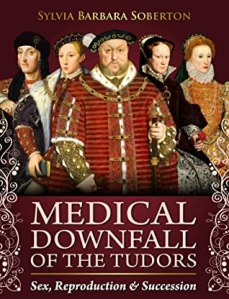 The story of the Tudor dynasty has been told from many different angles. Each monarch has been explored through lenses like social and political history numerous times. However, there is a new approach that is coming into the forefront of historical research and that is the focus on the medical history of the Tudors. Each Tudor monarch, from Henry VII to Elizabeth I, had some sort of bout with illness that would drastically alter the course of their reigns and the future of the dynasty. In Sylvia Barbara Soberton’s latest book, “Medical Downfall of the Tudors: Sex, Reproduction and Succession”, she explores the more intimate aspects of this turbulent dynasty to discover the truth about why they fell.
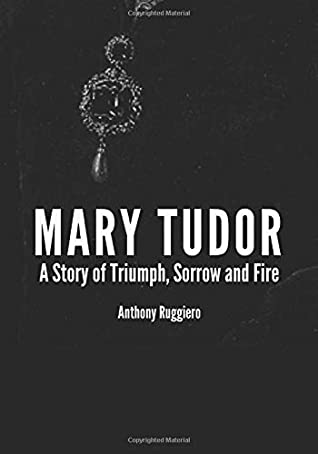 The Tudors were a royal family striving to survive in England through male heirs. Yet, its strongest rulers were female, Elizabeth, and her eldest half-sister, Mary. Obviously, many remember Queen Elizabeth I for her “Golden Age” and the first woman monarch of England to rule by her own right, but that title should really go to Mary I. Elizabeth tends to get all of the attention, but Mary’s life was full of her own struggles. In “Mary Tudor: A Story of Triumph, Sorrow and Fire”, Anthony Ruggiero explores the myths and the facts about this much-maligned and tragic figure in English history.
 Adventures of a Tudor Nerd