
 In each era throughout history, we see how men and women adapt to the struggles and triumphs of the age. Take, for example, the 16th century, primarily in Tudor England. It was a time of great religious changes and dynamic rulers who would change the course of European history forever. While men had the most power, except for a handful of women, the majority of women struggled to survive each stage of life. So, what was life truly like for Tudor women? Elizabeth Norton explores this topic in her book, “The Lives of Tudor Women.”
I have been wanting to read this particular book for years. I have enjoyed the previous books that I have read by Elizabeth Norton, so when I saw she wrote a book about Tudor women, I knew I wanted to read it.
Norton begins by explaining how this book would be broken down in her preface, which has one of my favorite introductory paragraphs in any book. This book is divided into sections that correspond with the Seven Ages of Man, which was made famous by William Shakespeare. These ages are: the infant, the schoolboy, the lover, the soldier, the justice of the peace, the ageing retiree, and the infirm elder. Obviously, with the lives of 16th-century women, these ages are altered a bit, especially for the soldier and the justice of the peace, but the premise remains the same. Each section focuses on one of these ages and the different aspects of life during that period in a person’s life. Norton also features small snippets of extra information that don’t fit into the narrative of the chapter, but are fascinating.
The main characters, who are the main focus in this book, are a collection of stories of women from royals to rebels. Two Elizabeth Tudors bookmark the book, one will die as a child while the other became one of the most important rulers in European history, Queen Elizabeth I. We also get to see the stories of Elizabeth and Anne Boleyn, a prophetess, Elizabeth Barton, a businesswoman named Katherine Fenkyll, the widow Cecily Burbage, the heretic Anne Askew, a rebel named Margaret Cheyne, and an expatriate named Jane Dormer. These stories and the other smaller tales paint a picture of what it meant to be a female in Tudor England.
This was another delightful book by Elizabeth Norton. While I did know some of the stories and the information featured in this book, other stories were brand new and thrilling to read about. Norton breathed new life into women’s history during the 16th century with this book. If you want a fresh approach to Tudor England with new women to learn about, I highly recommend you read “The Lives of Tudor Women” by Elizabeth Norton.
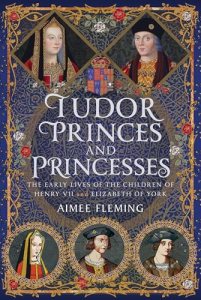 The year is 1485, and the last Plantagenet king, Richard III, is dead. The young man whose army defeated the king is Henry Tudor, and he is about to start a dynasty that will reshape world history forever. Henry Tudor, now King Henry VII, married the daughter of King Edward IV and Elizabeth Woodville, Elizabeth of York. Their marriage and their children would lay the foundation for the Tudor dynasty, but what was life like for the children who were the first generation of this remarkable dynasty? Aimee Fleming explores the lives of these royal siblings in her latest book, “Tudor Princes and Princesses: The Early Lives of the Children of Henry VII and Elizabeth of York.”
 Today, I am pleased to welcome Janet Wertman to my blog as part of the blog tour for her latest novel,
  Blurb:
 Author Bio
 Do you have a favorite historical figure whom you have wondered what would have happened if they survived their dark fate? Have you wondered what would happen if they had fantastical abilities, such as transforming into animals? Maybe the last piece sounds a bit too far-fetched, but it makes for an interesting concept for a novel. What if we took the story of Lady Jane Grey, the Nine-Day Queen of England, and turned the tale into a fantastical comedy full of romance and adventure? Then, you would get the premise of “My Lady Jane” by Cynthia Hand, Brodi Ashton, and Jodi Meadows.
 A princess born to a king and his second wife lost her title and legitimacy when her father decided that her mother, Anne Boleyn, needed to die. Elizabeth Tudor knows the meaning of resilience as she survived her childhood during her father King Henry VIII’s reign. Now that her father is dead Elizabeth is at the mercy of her half-siblings Edward and Mary, plus any scheming man who wants to marry her and get closer to the crown. Can Elizabeth survive her siblings’ reigns or is she destined to be locked in the Tower to await her ultimate fate like her mother? Janet Wertman explores the life of Elizabeth Tudor in her latest series
 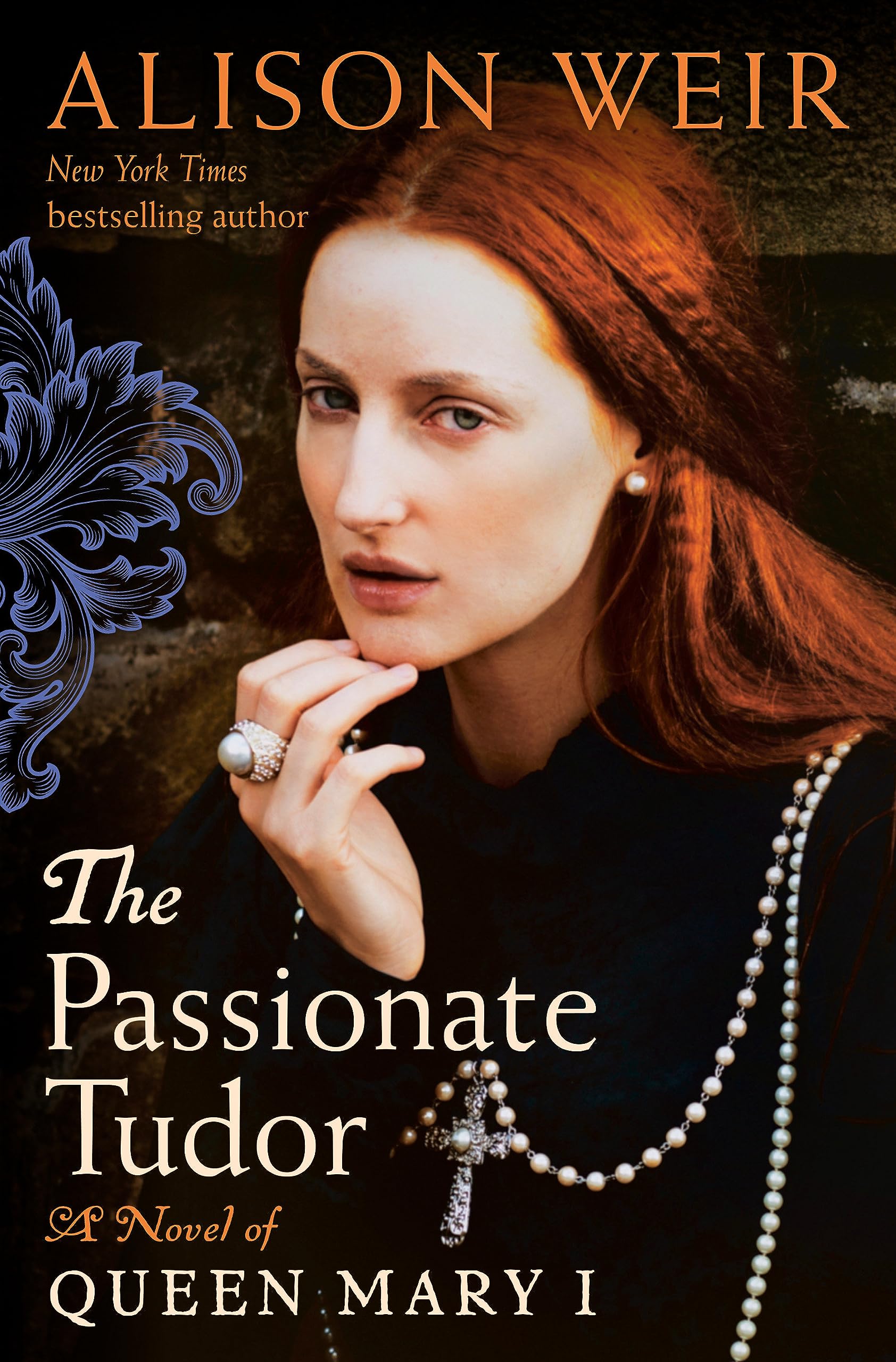 A king’s eldest child is usually the next in line to inherit the throne and become the next ruler. At least that is how the line of succession is supposed to work if the heir is male. Mary I knew this better than anyone. As the eldest daughter of King Henry VIII, she knew that once her mother Katherine of Aragon had a son, Mary would become a pawn in the marriage game. She was willing to accept this fate until her father fell in love with Anne Boleyn. Mary is declared a bastard and must fight for her inheritance and the crown of England while maintaining her Catholic faith. Alison Weir tells the tale of this remarkable woman, from her tumultuous childhood to her short reign that marked her legacy, in her latest novel, “The Passionate Tudor: A Novel of Queen Mary I.”
 The final wife, the one who survived. These words are what people think about when it comes to Katherine (Kateryn) Parr. However, before she even met Henry VIII, she had already lived quite a life, being married twice before meeting the king. She was a scholar, reformer, daughter, stepmother, wife, and mother. A woman who lived a rather intriguing life and happened to marry the King of England, Kateryn Parr’s life has been told in numerous mediums for centuries. Now, Laura Adkins has chosen to write about this famous Tudor wife in the biography, “Kateryn Parr: Henry VIII’s Sixth Wife.”
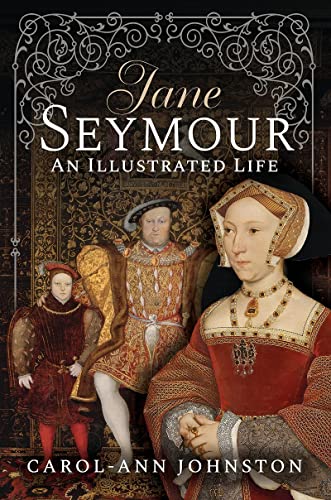 King Henry VIII’s six wives each have their unique story that transcends time. Katherine of Aragon was his first wife, the mother of Mary Tudor, and the one Henry left behind after 24 years to marry his mistress Anne Boleyn, the most famous of his wives and the mother of Elizabeth Tudor. Anna of Cleves had the shortest marriage to Henry VIII and ended up with an excellent annulment deal. Catherine Howard was young and a bit naive when it came to the ways of men, which led to her downfall while Catherine Parr survived until the end of Henry VIII’s reign. These five women are stories we know by heart, but the one whose story remains a mystery is Jane Seymour, Henry’s third wife, and the mother of the future King Edward VI. In her debut book, “Jane Seymour: An Illustrated Life” Carol-Ann Johnston tells the story of the wife who gave Henry his desired son.
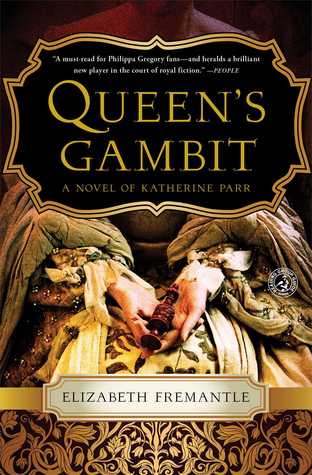 To be married to a king may seem like a dream, but reality can be cruel. Take the wives of Henry VIII. After saying ” I do,” each wife had to deal with complex challenges after saying “I do.” We all know the poem; divorced, beheaded, died, divorced, beheaded, survived, but does that define these queens? After the death of her second husband, Katherine Parr must choose between Henry VIII and Thomas Seymour, the man who has captured her heart. She must navigate love, court intrigues, and the treacherous religious landscape of England in the 1540s to survive. Katherine’s life as Queen of England and how close she came to a disastrous fall from grace are explored in Elizabeth Fremantle’s first novel, “Queen’s Gambit: A Novel of Katherine Parr.”
 Elizabeth Tudor is now the Queen of England and is learning quickly how her relationships with others would affect all of Europe, especially when it comes to her marriage. Marriage is difficult, as Margery Preston soon discovers. Margery is a lady in waiting to the fickle Queen Elizabeth and must navigate the intricacies of court life while learning to be a wife to Robin Lewis, a man she barely knows. She is treated like a child rather than a woman by those around her. Can Margery convince others that she is a strong woman and find love and happiness in the quagmire of court life? Margery’s story is told in the third installment of The Tudor Court series by Karen Heenan, “Lady, In Waiting.”
 Adventures of a Tudor Nerd