
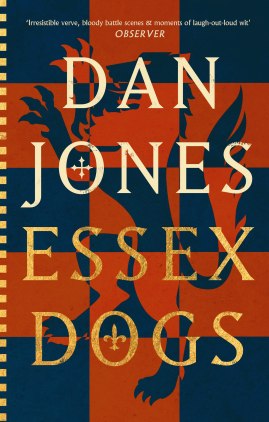
 The year is 1346, and numerous English ships have landed on the shores of France. King Edward III, his son Edward of Woodstock, and his lords launched the first stage of what would be known as the Hundred Years’ War. Amongst the English royalty, nobility, and regular soldiers, are companies of men who came of their own accord for money and glory. One company of men consists of ten men known as the Essex Dogs, led by Loveday FitzTalbot. They are not like the other groups. They do not fight for money or glory; they fight for each other. In the horrors of war in a foreign land, can the Essex Dogs keep their promise and stay alive? Dan Jones introduces the world to these ten men and the early stage of the Hundred Years’ War in his first historical fiction novel, “Essex Dogs.”
I have read nonfiction books by Dan Jones for years now, and I have thoroughly enjoyed the amount of detail he puts into each book. When Dan Jones announced that he would dive into the world of historical fiction, I was fascinated to see how well he could handle the transition from historical nonfiction to fiction. I was pleasantly surprised by how this amazingly gripping novel.
This story, from the landing in France to the Battle of Crecy, is told through the eyes of Essex Dogs, a rag-tag group of men from England, Scotland, and Wales. Each man has a past that they are trying to run away from, but their loyalty to each other unites them to finish their forty days of service to King Edward III. Some Essex Dogs include the pint-size fighter Pismire, the strong Scotsman, and the loyal Millstone. We also have crazy priest Father, the young and naive archer Romford, and their fearless leader, who will do anything to keep his group together, Loveday FitzTalbot.
I love the colorful interactions that the Essex Dogs had between one another and with the actual people who were involved in the campaign to Crecy. Each soldier’s struggles, from injuries and drug use to strategies and the punishments for not following royal commands, were written brilliantly. However, one area in which Jones excelled was portraying the brutality of war. The battles and skrimmages Jones included were so believable that I had to collect my breath after each battle before I went back to ensure the Essex Dogs were okay. Even the fights between companies were thrilling and will stay with me for a long time ( I am looking at you, chapter 12).
I honestly did not know what to expect when I ordered this book back in February, but it was a masterpiece. I can’t believe it took Dan Jones this long to write historical fiction, but I cannot wait for the next book in this trilogy. It is easily one of my favorite historical fiction novels of this year. If you want an electrifying novel with a compelling cast of characters set at the beginning of the Hundred Years’ War, “Essex Dogs” by Dan Jones is a must-read.
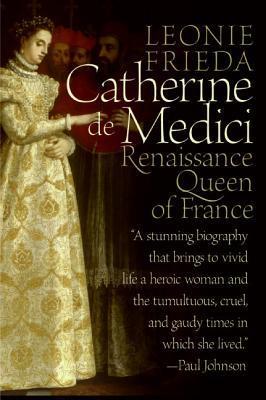 When we think about women rulers in the 16th century, some names, like Queen Mary I, Queen Elizabeth I, and Mary Queen of Scots, come to mind. However, another woman should be included in this list as her life helped keep the Valois dynasty alive and well in France, even though she was Italian by birth. Her name has been tainted with dark legends of poisoning, deadly incidents, and the infamous St. Bartholomew’s Day Massacre. This notorious queen was Catherine de Medici, and Leonie Frieda has chosen to shed some light on the myths and mysteries surrounding this misunderstood woman in her biography, “Catherine de Medici: Renaissance Queen of France.”
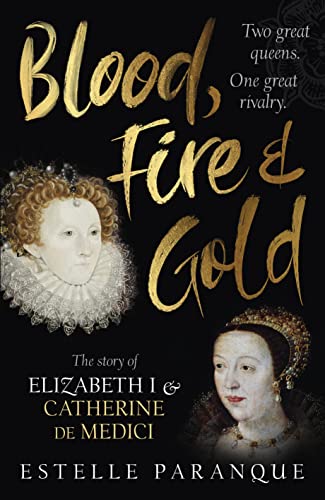 Two queens; one a wife and the mother of kings and the other a virgin who had to fight for the right to rule her country independently. Two women who found friendship and a rivalry between each other with only a sea that divided them and religious discord to drive them apart. Catherine de Medici and Elizabeth I would define what it meant to be female rulers in the 16th century for France and England, respectively. The tales of Elizabeth I and Catherine de Medici have been covered in numerous books, but a joint biography of these two powerhouses is a rarity until now. Estelle Paranque demonstrates how both queens greatly affected each other’s lives in her latest book, “Blood, Fire & Gold: The Story of Elizabeth I and Catherine de Medici.”
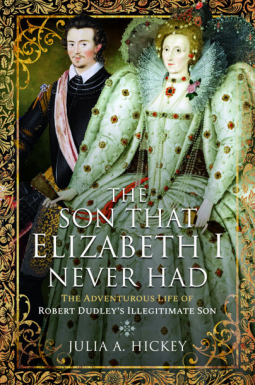 When we study the life of Queen Elizabeth I, the image of a virgin queen who never married tends to come to mind. Of course, she had a man who she favored above all others, Robert Dudley, but he married several times to Amy Robsart and Lettice Knollys. It was with Lettice Knollys that Robert Dudley was able to produce his heir, aptly named Robert Dudley Lord Denbigh, who unfortunately died at a young age. Robert Dudley was left without a legitimate heir, but he did have another son, albeit an illegitimate son, also named Robert Dudley. Julia A Hickey has decided to examine the life of the illegitimate Robert Dudley in her book, “The Son that Elizabeth I Never Had: The Adventurous Life of Robert Dudley’s Illegitimate Son.”
 On a cold December day in 1386, two knights met at the field at Saint-Martin-Des-Champs in Paris to face each other in a duel. This may seem like your average duel for entertainment to any outsider, but this was a duel to the death to determine who was telling the truth when it came to a sinister crime. A Norman knight, Jean de Carrouges, accused a squire, Jacques Le Gris, of raping his wife, Marguerite. It was a truly heinous crime, but what was it true, and why did these accusations lead to a duel to the death? Eric Jager explores this specific event and the factors that led to this clash in his nonfiction book, “The Last Duel: A True Story of Crime, Scandal, and Trial by Combat.”
 The Wars of the Roses was a time filled with dynamic figures who fought for the right to restore order to England. We often think about the strong warrior men who marched into battle, facing their inevitable doom just for the chance to wear the crown and rule the land. The women who stood by their husbands’ and sons’ sides were just as strong as their male counterparts, even if they did not wear armor. They were on the sidelines, ensuring that they could create alliances that would prove helpful in future conflicts. The most famous examples of strong women during the Wars of the Roses are Margaret of Anjou, Margaret Beaufort, and Elizabeth Woodville. Yet, there was another woman who stood firmly on the side of the Yorkist cause. She was known as the Rose of Raby and the wife of Richard, Duke of York. Her name was Cecily Neville, and she is the protagonist of Annie Garthwaite’s brilliant debut novel, “Cecily.”
 A man hidden from the world languishes for decades in a prison cell. He is not allowed to speak to anyone, or he will face severe consequences. Often in literature, his head is covered in a mask made of iron. His identity and why he angered King Louis XIV so much have remained a mystery for centuries. The prisoner was known as the man in the iron mask throughout history, but who was this enigmatic figure? In her latest book, “The Man in the Iron Mask: The True Story of Europe’s Most Famous Prisoner,” Josephine Wilkinson dives deep into the archives to construct his story and the stories of the men behind the mystery.
 A man who was young and had charisma would attract the attention of the Virgin Queen herself, yet that attention came with a price. The young man could not do what he desired and was buried in debt. His anger could not be quenched and he would end up rebelling against the very queen who brought him so much glory and honor. This rebellion would lead to his execution. The man’s name was Robert Devereux, 2nd Earl of Essex, and his story is told in Sarah-Beth Watkins’ latest bite-size biography, “Elizabeth I’s Last Favourite: Robert Devereux, 2nd Earl of Essex”.
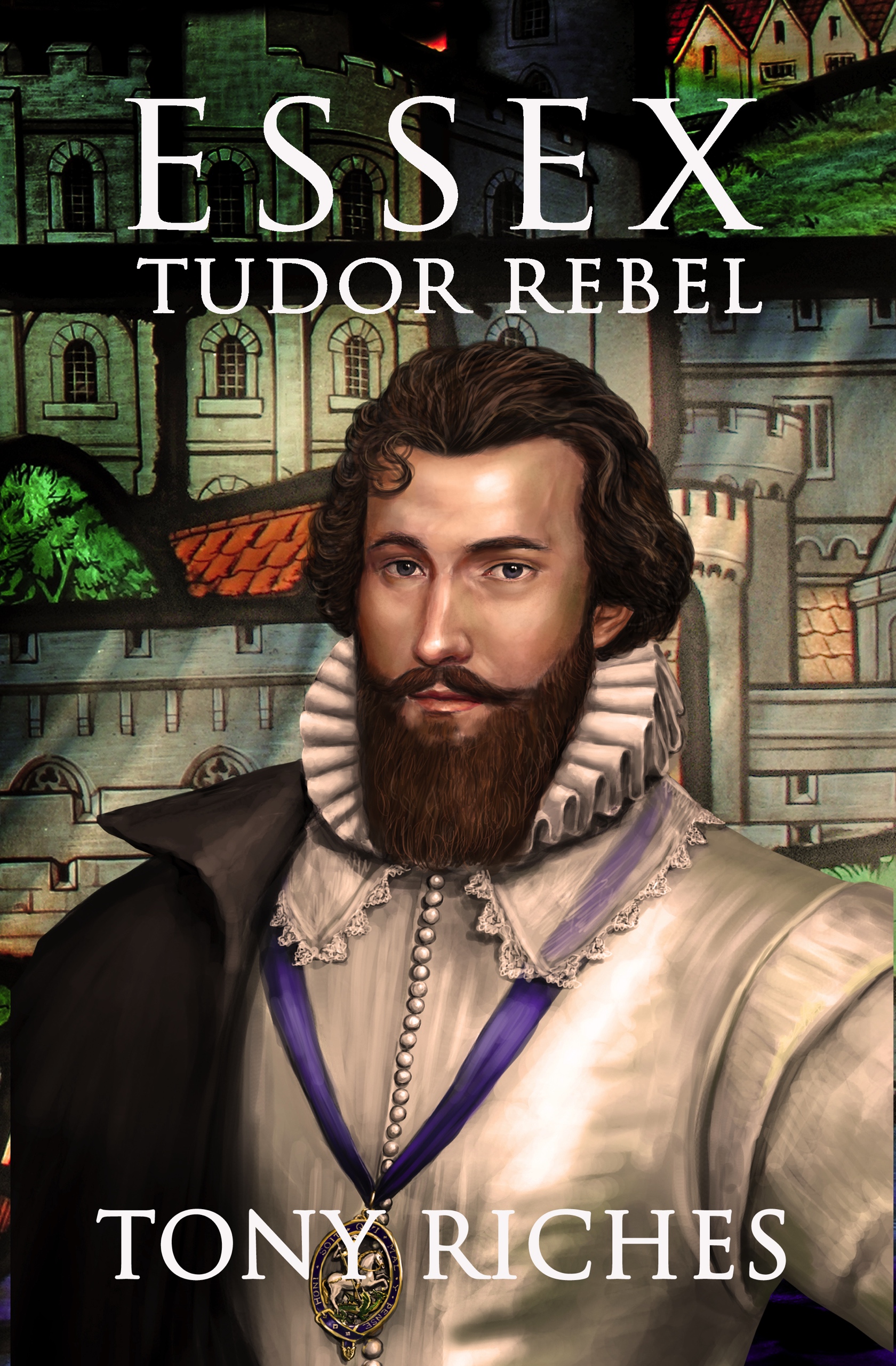
 Today, I am pleased to share my book review of the latest Elizabethan novel by Tony Riches as my contribution to his “Essex: Tudor Rebel” blog tour. Thank you to Tony Riches for sending me a copy of his latest novel, and to The Coffee Pot Book Club for allowing me to take part in this tour.
  (Blurb)
 Author Bio
 The year is 1399 in Paris and the royal family is concerned about the Priory in Poissy. Something has happened behind the cloistered walls and only one person who is extremely loyal to the king and queen can figure out what is amiss, Christine de Pizan the famous medieval writer. Christine goes to Poissy to act as a copyist for the prioress, but she soon finds herself in the middle of a sinister murder case. A nun has been found dead and it is up to Christine and her allies, plus one frenemy, to figure out who killed the nun while protecting the king’s youngest daughter who calls the priory home. Can Christine figure out who murdered the young nun and make it out of the priory alive? This is the premise of Tania Bayard’s latest installment of her Christine de Pizan murder mystery series, “Murder in the Cloister”.
 Adventures of a Tudor Nerd