
 Two kings, two rivals from different countries defined the 16th century. One was the spare to his father’s crown, but when his eldest brother suddenly passed away, he became the next Tudor king. The other was the sole heir to his parent’s large kingdom and would become the Holy Roman Emperor. Wars, the Reformation, and family drama kept these two men, Henry VIII and Charles V, busy and at each other’s throats. They would sometimes join and fight for one another’s causes, showing the importance of international politics. With each new scenario, their relationship would shift, either for the best or the worst. Richard Heath has combined the stories of these two monarchs, these “frenemies,” into one joint biography, “Henry VIII and Charles V: Rival Monarchs, Uneasy Allies.”
Thank you, Pen and Sword Books and Net Galley, for sending me a copy of this book. I have read many books about Henry VIII, but Charles V was a side character in many of these books. When I saw this book, learning more about Charles V intrigued me.
Heath begins his book with Henry VIII, the second son of Henry VII and Elizabeth of York. He was never destined to become king, but when his eldest brother, Arthur, died unexpectantly, he became the next King of England. In contrast, Charles V was destined to become King of Spain as he was the only son of King Philip I, King of Castile, and Queen Juana of Castile and Aragon. Henry VIII had multiple wives and one legitimate son who would not live long as king. In contrast, Charles V had one wife, Isabella of Portugal, and numerous children, including the next King of Spain, Philip II.
Henry VIII and Charles V had similar ideals and were raised to be devout Christians, even if the way they fought for their faith was different. Charles V’s aunt, Catherine of Aragon, was Henry VIII’s first wife. The two monarchs and their respective countries, the Holy Roman Empire, Spain, and England, enjoyed close relationships. However, the 16th century was notorious for its ever-shifting political landscape, especially concerning the wars in France, and Italy, that involved King Francis I, the Pope, and Suleiman the Magnificient.
To untangle the messy political dilemma of the 16th century in a dual biography is quite a feat, which Heath does well. I wish he had included a chart to break down the different treaties and wars he chose to highlight in this book because I needed help figuring out which war was which and what each treaty agreed to do. Overall, I think if you want a decent introduction to the life of Charles V and how his relationship with Henry VIII changed over time, I would recommend you read “Henry VIII and Charles V: Rival Monarchs, Uneasy Allies” by Richard Heath.
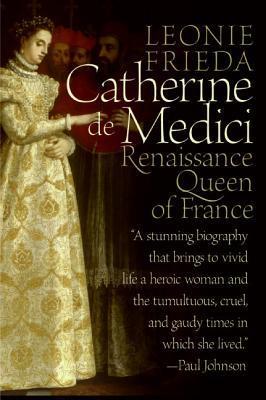 When we think about women rulers in the 16th century, some names, like Queen Mary I, Queen Elizabeth I, and Mary Queen of Scots, come to mind. However, another woman should be included in this list as her life helped keep the Valois dynasty alive and well in France, even though she was Italian by birth. Her name has been tainted with dark legends of poisoning, deadly incidents, and the infamous St. Bartholomew’s Day Massacre. This notorious queen was Catherine de Medici, and Leonie Frieda has chosen to shed some light on the myths and mysteries surrounding this misunderstood woman in her biography, “Catherine de Medici: Renaissance Queen of France.”
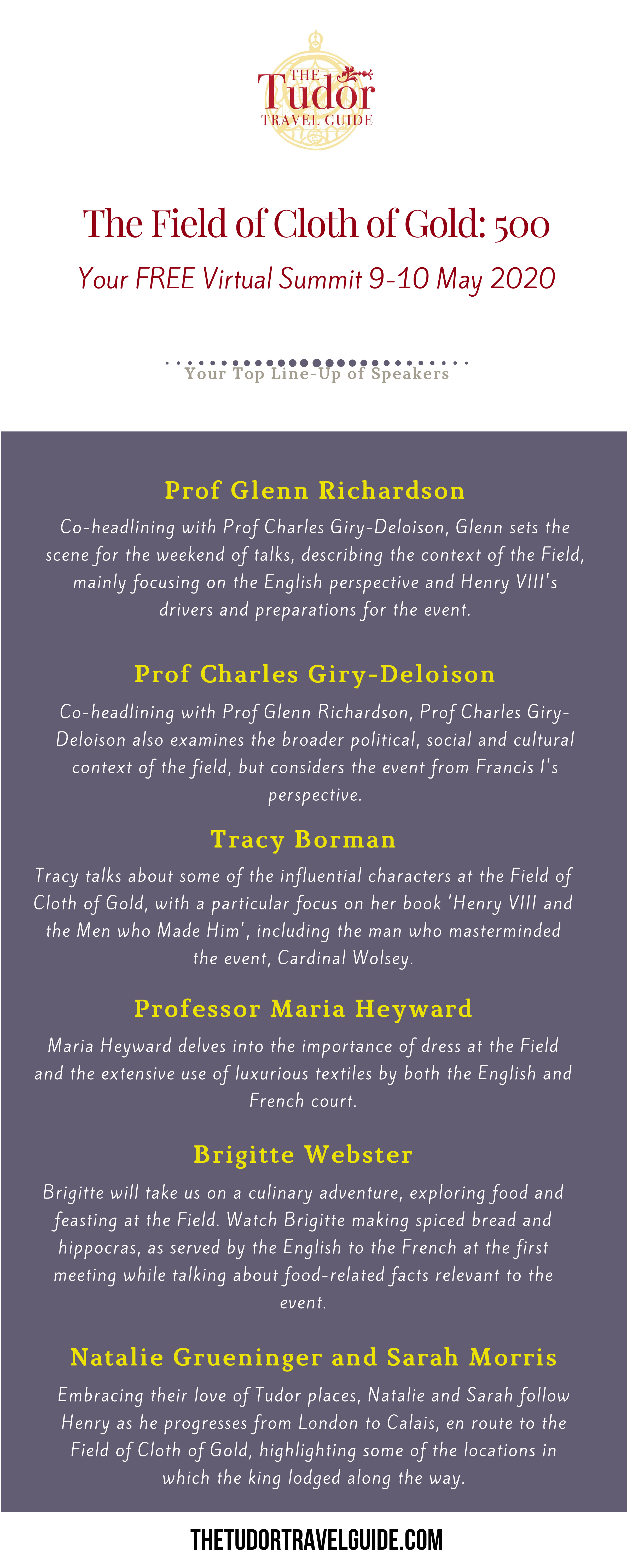
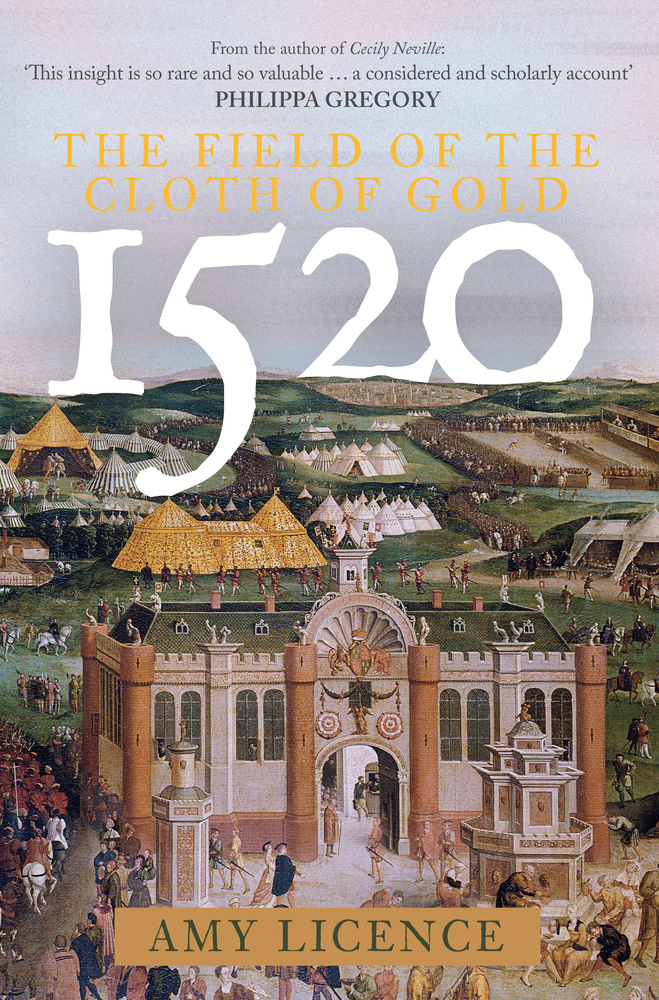 In 1520, two larger than life kings met each other in France for two weeks. This may not sound astounding as many kings left their respected countries to meet other rulers throughout history. It was part of European diplomacy. However, what made this particular period of time extraordinary is the sheer size and the opulence of the event. The King of England, Henry VIII, met the King of France, Francis I, for two weeks of festivities and feasting that we now call The Field of the Cloth of Gold. We often think that this event accomplished nothing because the rivalry between Henry VIII and Francis I continued afterward. Was the purpose of this event to quell the rivalry between the two kings or was there something more behind all the glitz and glam of the Field of the Cloth of Gold? What do the behind the scenes records reveal about this event? Amy Licence explores this event from every angle in her latest book, “1520: The Field of the Cloth of Gold”.
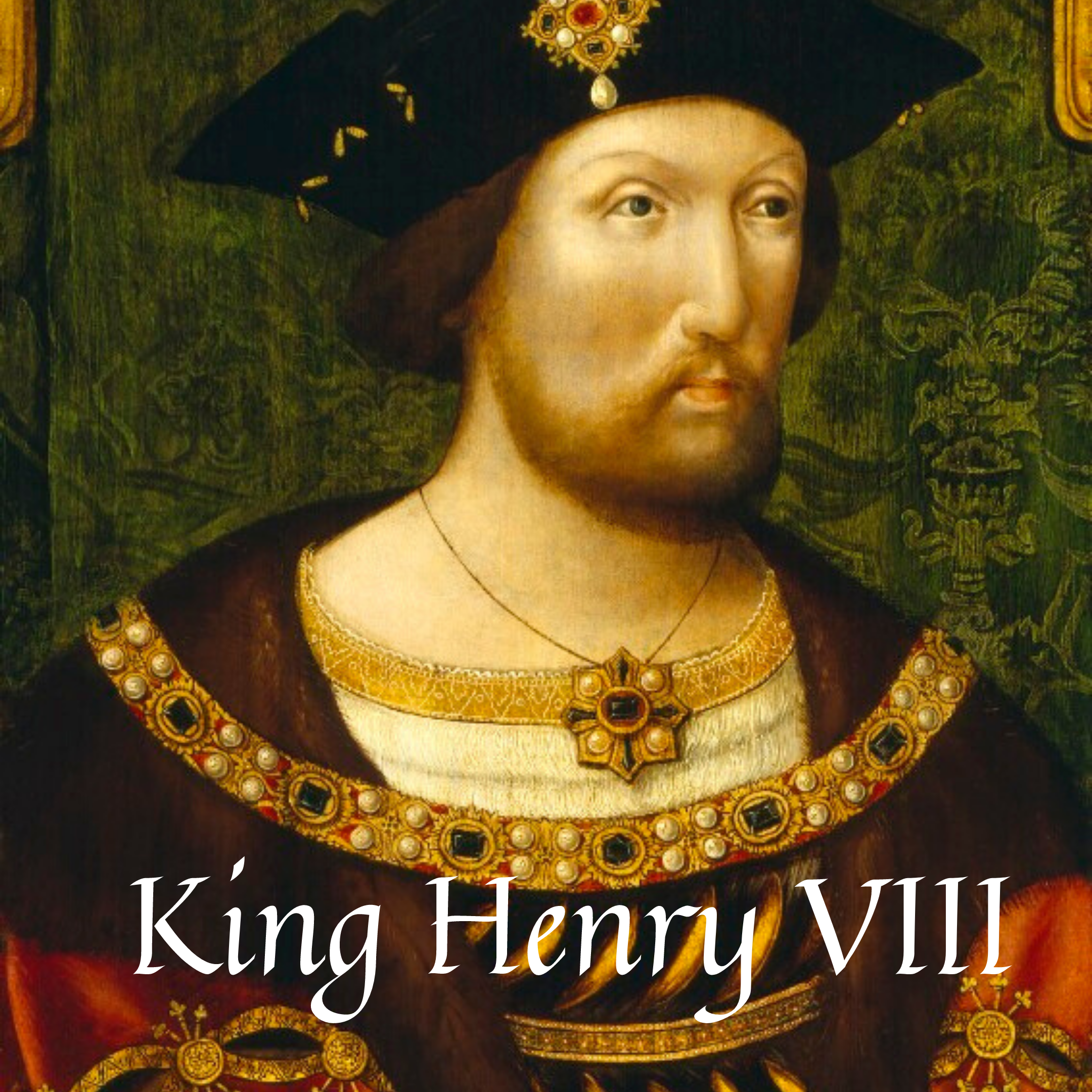 During a blustery 18 days in June 1520, an historic event took place in the Pale of Calais. Here, King Henry VIII of England and King Francis I of France met in an ostentatious display of power, wealth and status. Masterminded by Thomas Wolsey, the aim was to join the two kingdoms in a pact of solidarity and friendship, notably against the insurgen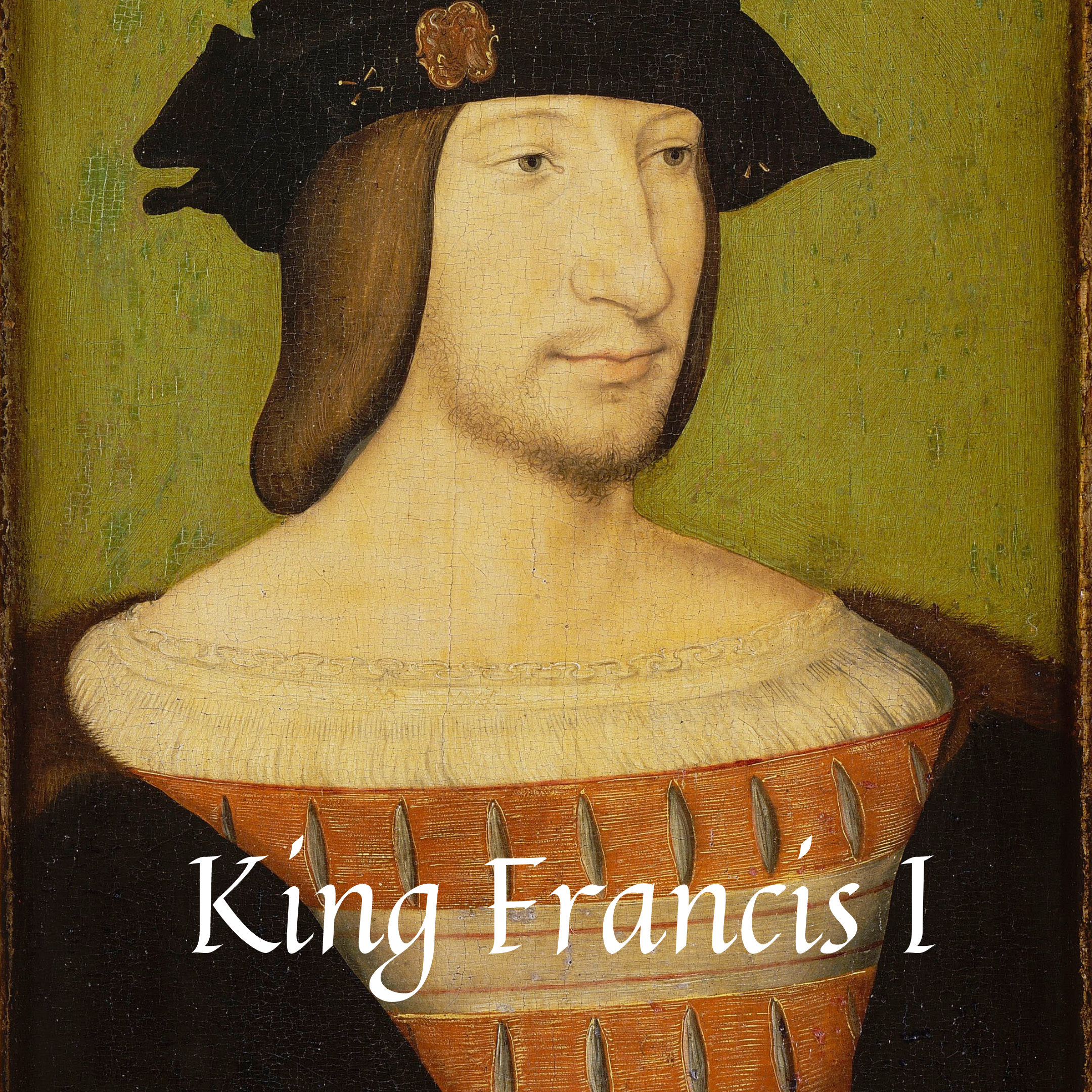

 Adventures of a Tudor Nerd