 The year is 1547, and the infamous King Henry VIII is dead. The throne is left to his young son Edward VI while his half-sisters Mary and Elizabeth wait in the wing. Without their powerful father to look after their well-being, his children must navigate the tumultuous Tudor court with powerful men who desire to use them as mere pawns in their game to influence how England is ruled. Throw in some romantic drama and the ever-changing religious landscape with the clash between Protestants and Catholics. This is the premise of the latest Tudor drama on Starz, “Becoming Elizabeth,” which follows the titular Princess Elizabeth Tudor during the reign of the third Tudor king.
Before we begin, I want to provide a little context before I dive into this review. As many of you know, I am incredibly picky about Tudor dramas; shocker, I know. I will watch trailers for new dramas, but after Reign (which, after watching the show for five minutes, I had to turn it off because of the costume design), I have been highly wary about committing to sitting down each week to watch a new show about historical figures I know pretty well.
The story of Princess Elizabeth is what got me interested in studying history after reading The Royal Diaries book series, so when I heard about this series, I wanted to know more. When I first saw the trailer for “Becoming Elizabeth, ” I decided to take the plunge and watch the first episode, which turned into watching every episode every Sunday.
Now let’s get to my thoughts about the series “Becoming Elizabeth.” I will be discussing the plot points of this series, so if you have not watched this show before reading this review, I would highly recommend you do.
There are a few aspects that I want to touch on before we take a deeper dive into this series, which have to do with the settings, costumes, music, and other details that will delight Tudor nerds. The location of “Becoming Elizabeth” is spot on, immersing the audience in Tudor England, which includes using candles for lighting instead of torches (which was a thrilling addition). I congratulate the costume and make-up crew from this drama as they are the best replications of Tudor gowns and outfits I have ever seen in a Tudor drama. They used the Tudor portraits of the time to replicate specific dresses and jewelry used in the show (including the famous “B” necklace most associated with Anne Boleyn) was a lovely and thoughtful touch. The only exception was the lead women’s riding gowns in this series. I did not like that they rode astride and had pants under their skirts. Let them ride side saddle and wear the same dresses they do at court but in those brown and green tones.
The little touches like having servants sleeping in the rooms of the royalty/ nobility and the masques to show significant events were viewed at court were nice touches for Tudor nerds. I also appreciated the small nods in the dialogue to elements that those who know Tudor history would understand, like the Queen’s jewels and the foreshadowing of Edward VI’s dog. Finally, the music in this show was decent, but some soundtracks felt a tad too modern and took away from the whole escapism element you want in a historical drama.
Now, let’s get into the most critical points of this show: the acting, the actors, and the plot points.
 The cast of “Becoming Elizabeth” is a plethora of talented actors and actresses who remarkably bring the treacherous Tudor court to life. The titular role of Princess Elizabeth was played by Alicia von Rittberg, who portrays the young woman’s naivety and eventual strength in love and court politics. Oliver Zetterstrom is the young King Edward VI who struggles to find his identity as a reformer king while navigating the drama of his court and Lord Protectors. Finally, we have Romola Garai, who revolutionized how Princess Mary Tudor was portrayed on television. Garai gives the audience a more sympathetic and vibrant woman trying to hold her family together while defiantly standing up for her Catholic faith in a Protestant court.
A story like this would not be complete without a group of star-studded actors and actresses to help the trio of Tudor heirs shine. We have the vivacious Catherine Parr, played by Jessica Rayne, and her fourth husband, the sly Thomas Seymour, played by Tom Cullen, Thomas’ brother, and Edward VI’s first Lord Protector Edward Seymour, Duke of Somerset is played by John Heffernan. We also have the Grey family, led by Henry Grey, played by Leo Bill, and the shy and studious Lady Jane Grey, played by Bella Ramsey. Finally, we have the Dudley family with the ambitious John Dudley, played by Jamie Parker, and the youthful Robert Dudley, played by Jamie Blackley. Along with the prominent families, we have Kat Ashley, the loyal servant to Princess Elizabeth, played by Alexandra Gilbreath, and the Spanish soldier Pedro who helps guide Princess Mary, played by Ekow Quartey. The interactions between this cast are so believable and passionately performed that it feels like you have been transported into the 16th century in the reign of King Edward VI.
We begin this series with the death of King Henry VIII. Prince Edward is now King Edward VI, and he and his sisters must learn to live without their infamous father. Mary goes to her own home while Elizabeth joins the household of Catherine Parr and her new husband (the man she truly loves), Thomas Seymour. While Mary and Edward VI argue vehemently over the matters of religion, Catholics vs. Protestants, Elizabeth navigates the unusual attention that Thomas Seymour is giving the young princess as she wonders if this is true love or something more sinister.
In addition to Princess Elizabeth, Catherine Parr and Thomas Seymour welcome the daughter of Henry Grey, Lady Jane Grey, to their household. Elizabeth and Jane do not seem to get along very well, and it feels like the only ones that Elizabeth can turn to when times get rough are Kat Ashley and the caring Robert Dudley. Mary may seem alone, but Pedro, a man who was supposed to spy on the Catholic princess, becomes her friend and ally. Unfortunately for Edward, he is stuck between factions of Edward Seymour, Duke of Somerset, and John Dudley as they fight to influence the young king and the direction he wants to take his kingdom. It was a time of rebellions, betrayals, executions, and moments behind closed doors that would forever shape these three Tudor heirs, especially Elizabeth Tudor.
 While most of the storylines are engaging, and I found them rather enjoyable, one got under my skin: the intimate relationship between Princess Elizabeth and Thomas Seymour. Now I know it was the central storyline for the first half of this show, but it made my skin crawl. I know that Tom Cullen has discussed this issue with fans, and I think his portrayal of Thomas is spectacular. My problem is with Princess Elizabeth and how she goes along with the relationship to the point of no return. I feel like Princess Elizabeth was much stronger than how she was portrayed during those moments in the show, and she would have turned Thomas down, knowing the false allegations against her mother, Anne Boleyn. I do not think she slept with Thomas Seymour, but I do believe there were elements of flirting between the two, which could have been seen as them having an intimate relationship.
The creator of “Becoming Elizabeth,” Anya Reiss, has done a magnificent job telling the Tudor dynasty’s tale after Henry VIII’s death. The cast and crew are spectacular, the gowns and costumes are gorgeous, and there are so many Easter eggs that Tudor nerds will geek over. There will be moments that will make you laugh, cry, want to throw a book at your TV or laptop, and breathe a sigh of relief. I may not have seen many Tudor dramas in the past, but this is far and away one of my favorite shows about the 16th century. I hope we will get a second season of “Becoming Elizabeth,”, especially with how they closed the finale.
What are your opinions about “Becoming Elizabeth,” and who is your favorite character from this Tudor drama?
Sources for Images and Cast Information:
https://www.glamour.com/story/becoming-elizabeth-on-starz-everything-we-know-about-the-british-period-drama
https://www.imdb.com/title/tt11444366/

 Do you have a favorite historical figure whom you have wondered what would have happened if they survived their dark fate? Have you wondered what would happen if they had fantastical abilities, such as transforming into animals? Maybe the last piece sounds a bit too far-fetched, but it makes for an interesting concept for a novel. What if we took the story of Lady Jane Grey, the Nine-Day Queen of England, and turned the tale into a fantastical comedy full of romance and adventure? Then, you would get the premise of “My Lady Jane” by Cynthia Hand, Brodi Ashton, and Jodi Meadows.
 Those born of royal blood are either blessed by being able to sit on the throne or cursed to be under intense scrutiny for fears of treason. That is the case for the Grey sisters. Jane, Katherine, and Mary were the daughters of Henry and Frances Grey and the granddaughters of Mary and Charles Brandon. Their bloodline made them cousins to Mary I and Elizabeth I, which meant they threatened the two queens, especially when Edward VI named Lady Jane Grey his heir. After Mary I executes Jane and their father Henry for treason, the remaining Grey sisters, Katherine and Mary, must survive the treacherous Tudor court or end up like their sister. Can Katherine and Mary survive in a court where their royal blood leaves a target on their backs? Elizabeth Fremantle tells the tale of the lesser-known Grey sisters in her novel, “Sisters of Treason.”
 A life of luxury from birth, destined to be crowned King or Queen of England. This is what we often think life must have been like for royal heirs who reached the ultimate destination of a crown and a throne. However, the stories of those who failed to reach the throne are mired in tragedy and heartache. The question of royal succession in England is a complex issue, especially when the heir to the throne dies unexpectedly, leaving doubts on whether a dynasty will survive through blood or dissolve in conflict. How did the deaths of these potential rulers radically transform the fabric of English history as a whole and what can their lives tell us about what kind of rulers they might have been? Ashley Mantle hopes to answer all of these questions and more in his latest book, “Uncrowned: Royal Heirs Who Didn’t Take the Throne.”
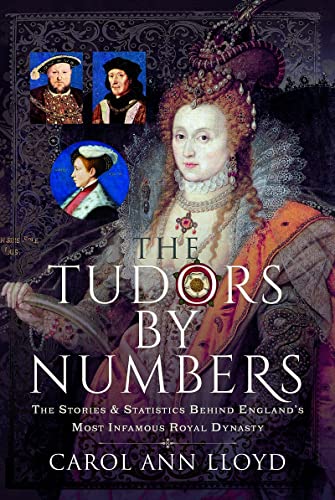 The story of the Tudor dynasty has been told in numerous different ways. We know the major figures, the significant events, and the stories of their love lives. We understand how they changed the history of England and Europe forever, but these are just the basic facts. If we look at the numbers surrounding the dynasty, what type of story does it tell? This is the approach Carol Ann Lloyd has taken in her debut book, “The Tudors by Numbers: The Stories and Statistics Behind England’s Most Infamous Royal Dynasty.”
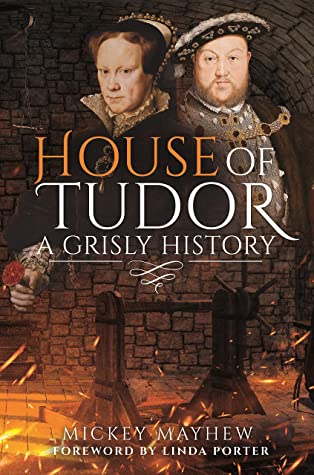 The glitzy, glamorous life of the Tudors portrayed in popular TV shows and novels mask the truth of this infamous dynasty. It is more bloody than what has been described. It is filled with grotesque executions, deadly diseases, bloody battles, and bloody battles. What happened to Richard III’s remains? What was Tudor torture like for those unfortunate victims? What were other devious tales at play in 16th-century Europe? Mickey Mayhew has worked hard to answer these questions by combining 45 of the most gruesome stories from this dynasty into one book, “The House of Tudor: A Grisly History.”
 When we think about the Tudor dynasty, we think about the monarchs who made the dynasty, but we also pay attention to those around the king or queen who sat on the throne. There were families like the Boleyns, the Howards, and the Seymours who stood on the sidelines for a short amount of time, but one family saw the majority of the dynasty through highs and extreme lows. The Dudleys have been seen as a power-hungry family who would do anything to sit on the throne of England, but is there more to their story? In her debut book, “The House of Dudley: A New History of Tudor England,” Joanne Paul explores the lives of this extraordinary family to find the truth about their ambitions and their resilience.
 The Tudor dynasty was full of colorful characters and events that defined the era. Their lives were full of love affairs, marriages, births, wars, tragedies, and triumphs. In numerous books about these monarchs and this period in history, we have seen the significant events that defined the era, but what about lesser-known social events that these monarchs participated in. The bulk of the research into this dynasty focuses on those who ruled, from Henry VII to Elizabeth I, because their lives give us a brilliant insight into what it was like to live in the glittery Tudor court. In “The Tudor Socialite: A Social Calendar of Tudor Life,” Jan-Marie Knights gives her readers a glimpse into the social calendar of the Tudor rich and famous.
 In history, the stories of women closest to those who sat on the throne tend to shine a bit brighter than others. Their tales give us great insight into how their respective countries were run and how dangerous it could be to marry someone with royal blood in their veins. However, some of the tales get lost in the annals of the past, only to be discovered much later. One of those tales is the story of Cecily Bonville- Grey, the wife of Thomas Grey Marquis of Dorset. In her own right, an extremely wealthy woman, her marriage into the Grey family would help define the succession issue during the late Tudor dynasty. Her story is finally told in Sarah J. Hodder’s latest book, “Cecily Bonville-Grey- Marchioness of Dorset: From Riches to Royalty.”
 When one studies a specific dynasty, we tend to focus on the stories of those who rule their respective countries and explore the men who influenced the king’s decisions. A dynasty’s legacy tends to be viewed from the military and legal victories of the men, but just as important are the women who stood beside the king. Royal women tend to be considered side characters of the dynasty who were only crucial for their inheritance, who they married, and the children they could produce. But if we focused on the story of the royal women in a specific dynasty, what could we learn about the dynasty? Amy Licence took this concept to explore women’s voices and decided to tackle the Tudor dynasty in her latest book, “Tudor Roses: From Margaret Beaufort to Elizabeth I.”
 Adventures of a Tudor Nerd