
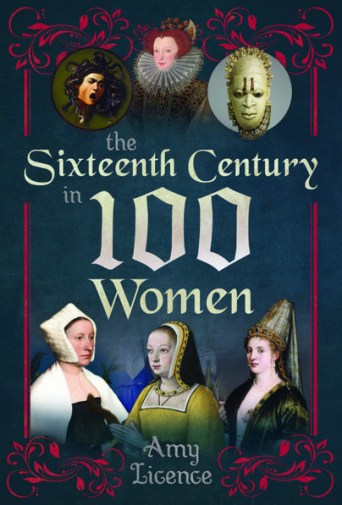
 When we think of the phrase “16th-century women,” we often consider those from royal or noble houses throughout Europe. We tend to think of women like the six wives of Henry VIII, Mary I, Elizabeth I, Catherine de Medici, Mary Queen of Scots, and others associated who made an impact during the Renaissance and the Reformation. However, the 16th century did not stop at the borders of Europe; it extended all over the globe. There are many stories of women from all over the world and from different social classes that can help us understand how the world changed in the 16th century. Amy Licence took this concept and decided to write her latest book about a variety of women from around the world who lived in the 16th century, “The Sixteenth Century in 100 Women.”
Thank you, Pen and Sword Books and Net Galley, for sending me a copy of this book. When I heard that Licence was writing this book, it intrigued me. I wanted to know more stories from the 16th century from all around the world.
“The Sixteenth Century in 100 Women” is a collection of 100 mini-biographies of women from every walk of life and every corner of the globe. Licence has decided to organize this particular book in chronological order, with the date emphasis on the significant events of their lives. Staying true to her word, she writes about women from different countries, like Japan, Nigeria, Russia, Mexico, Poland, Chile, Morocco, and Burma, to name a few.
What I loved the most about this book is the diversity of figures that Licence chose to include in this journey from 1500 to 1600. They were not just queens, princesses, and noblewomen. Licence included women who would have been seen as outsiders in everyday society, such as prostitutes during the Banquet of Chestnuts, Margaret Drummond, Ellen Sadler, and La Malinche. There were those whose appearance made them outsiders, like Aura Soltana, Elena/Eleno de Cespedes, and Tognina Gonsalvus. Some women stood up for what they believed was right, such as Cecily Bodenham, abbess of Wilton Abbey, Lady Nata of Japan, Margaret Cheney, Sayyida al-Hurra, and Beatriz de Luna.
Some women suffered horrendous tragedies beyond their control, like Suphankanlaya, whose husband was killed in an angry rage, Amy Robsart, and an unknown woman who dealt with a tsunami in Chile. Others were women who had nasty reputations associated with their lives, such as Elizabeth Bathory, Mary Frith, and the Irish pirate Grace O’Malley. We also see female artists, authors, fictional figures, and those who sat for portraits.
Licence has painted a colorful picture of the 16th century with the 100 miniature biographies she chose to include in this book. This book may highlight only a select few stories of the century, but they were new and enthralling tales of women I had never heard of, which broadened my understanding of the era. An informative, refreshing, and unique approach to the 16th century, “The Sixteenth Century in 100 Women” by Amy Licence is a breath of fresh air for anyone who wants to discover new tales from the past.
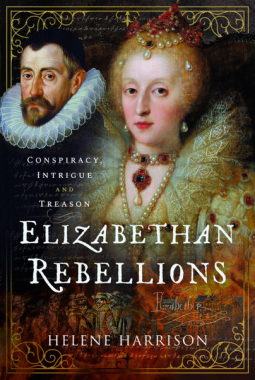 The struggle to be a king or queen in any country during Europe’s medieval or early modern era was only the beginning. They are either the next in line to the throne and inherit the crown, or they sometimes fight to the death to wear it. After the king or queen settles into ruling their respective countries, the real challenge emerges as they have to deal with rebellions and those who commit treason against their monarch. Take, for example, what happened during the reign of Elizabeth I. We consider her reign the “Golden Age” in English history. Still, she had to deal with numerous rebellions and conspiracies surrounding her viewpoints on religion and how she dealt with her cousin, Mary Queen of Scots. In her first book, “Elizabethan Rebellions: Conspiracy, Intrigue, and Treason,” Helene Harrison takes an in-depth look at each rebellion and how they left a mark on Elizabeth I’s reign.
 The glitzy, glamorous life of the Tudors portrayed in popular TV shows and novels mask the truth of this infamous dynasty. It is more bloody than what has been described. It is filled with grotesque executions, deadly diseases, bloody battles, and bloody battles. What happened to Richard III’s remains? What was Tudor torture like for those unfortunate victims? What were other devious tales at play in 16th-century Europe? Mickey Mayhew has worked hard to answer these questions by combining 45 of the most gruesome stories from this dynasty into one book, “The House of Tudor: A Grisly History.”
 When we think about women rulers in the 16th century, some names, like Queen Mary I, Queen Elizabeth I, and Mary Queen of Scots, come to mind. However, another woman should be included in this list as her life helped keep the Valois dynasty alive and well in France, even though she was Italian by birth. Her name has been tainted with dark legends of poisoning, deadly incidents, and the infamous St. Bartholomew’s Day Massacre. This notorious queen was Catherine de Medici, and Leonie Frieda has chosen to shed some light on the myths and mysteries surrounding this misunderstood woman in her biography, “Catherine de Medici: Renaissance Queen of France.”
 Two queens; one a wife and the mother of kings and the other a virgin who had to fight for the right to rule her country independently. Two women who found friendship and a rivalry between each other with only a sea that divided them and religious discord to drive them apart. Catherine de Medici and Elizabeth I would define what it meant to be female rulers in the 16th century for France and England, respectively. The tales of Elizabeth I and Catherine de Medici have been covered in numerous books, but a joint biography of these two powerhouses is a rarity until now. Estelle Paranque demonstrates how both queens greatly affected each other’s lives in her latest book, “Blood, Fire & Gold: The Story of Elizabeth I and Catherine de Medici.”
 Today, I welcome Tonya Ulynn Brown to my blog to share an excerpt from her latest historical fiction novel, “The King’s Inquisitor.” I want to thank The Coffee Pot Book Club and Tonya Ulynn Brown for allowing me to be part of this blog tour.
  Blurb
Blurb Author Bio
  Throughout history, there have been a select number of cases of monarchs becoming prisoners either in war or in times of peace. One of the most famous cases of a monarch’s imprisonment during the 16th century was the case of Mary Queen of Scots. While there have been many tales of her infamous imprisonment and execution, there has not been much attention to the men and woman who acted as Mary Queen of Scots’ jailers. Who were the men and woman Elizabeth I put in charge of guarding the Scottish queen while she was in England? What were the conditions of her imprisonment, and what were the castles and manors like when the queen arrived? Mickey Mayhew explores these questions in his book, “Imprisoning Mary Queen of Scots: The Men Who Kept the Stuart Queen.”
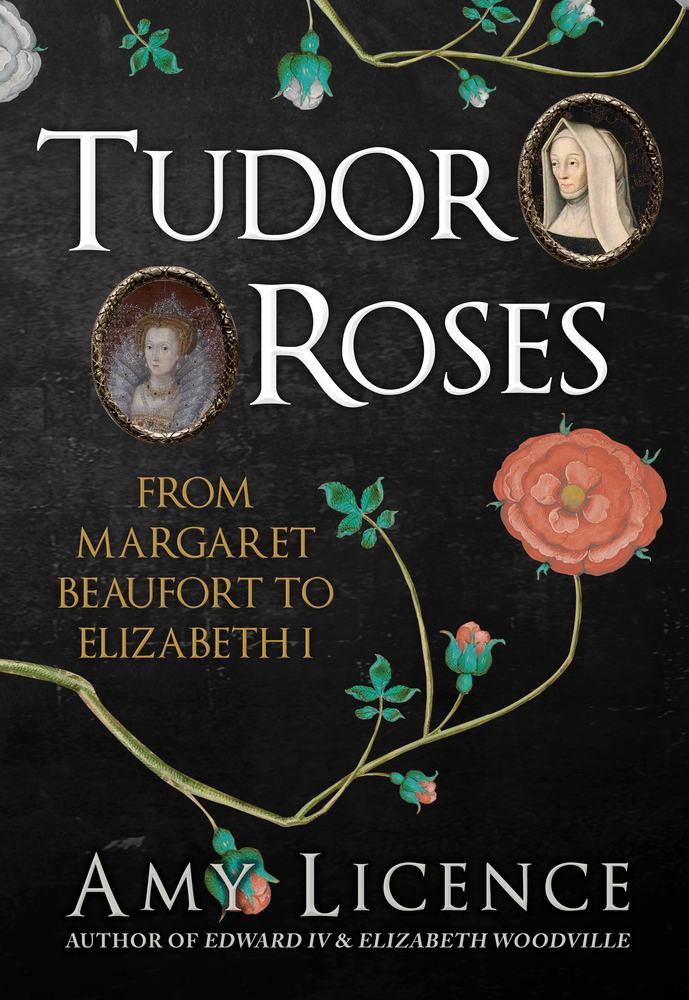 When one studies a specific dynasty, we tend to focus on the stories of those who rule their respective countries and explore the men who influenced the king’s decisions. A dynasty’s legacy tends to be viewed from the military and legal victories of the men, but just as important are the women who stood beside the king. Royal women tend to be considered side characters of the dynasty who were only crucial for their inheritance, who they married, and the children they could produce. But if we focused on the story of the royal women in a specific dynasty, what could we learn about the dynasty? Amy Licence took this concept to explore women’s voices and decided to tackle the Tudor dynasty in her latest book, “Tudor Roses: From Margaret Beaufort to Elizabeth I.”
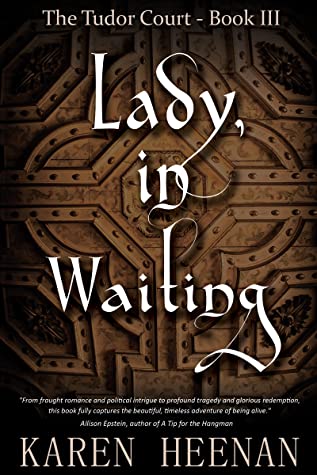 Elizabeth Tudor is now the Queen of England and is learning quickly how her relationships with others would affect all of Europe, especially when it comes to her marriage. Marriage is difficult, as Margery Preston soon discovers. Margery is a lady in waiting to the fickle Queen Elizabeth and must navigate the intricacies of court life while learning to be a wife to Robin Lewis, a man she barely knows. She is treated like a child rather than a woman by those around her. Can Margery convince others that she is a strong woman and find love and happiness in the quagmire of court life? Margery’s story is told in the third installment of The Tudor Court series by Karen Heenan, “Lady, In Waiting.”
 David Rizzio was one of Mary, Queen of Scots’ favorites at court and the private secretary to the queen. Being a royal favorite would not have been seen as a grave offense in any other country during this time, yet this is Scotland in the 16th century. Scotland was filled with deadly feuds between lords fighting for control of the crown, which would lead to numerous prominent men being murdered, including Rizzio. On March 9, 1566, David Rizzio was murdered in front of Mary, Queen of Scots, while she was several months pregnant. The tale of the grotesque crime and those who witnessed the events of that night are told in Denis Mina’s latest gripping novella, “Rizzio.”
 Adventures of a Tudor Nerd