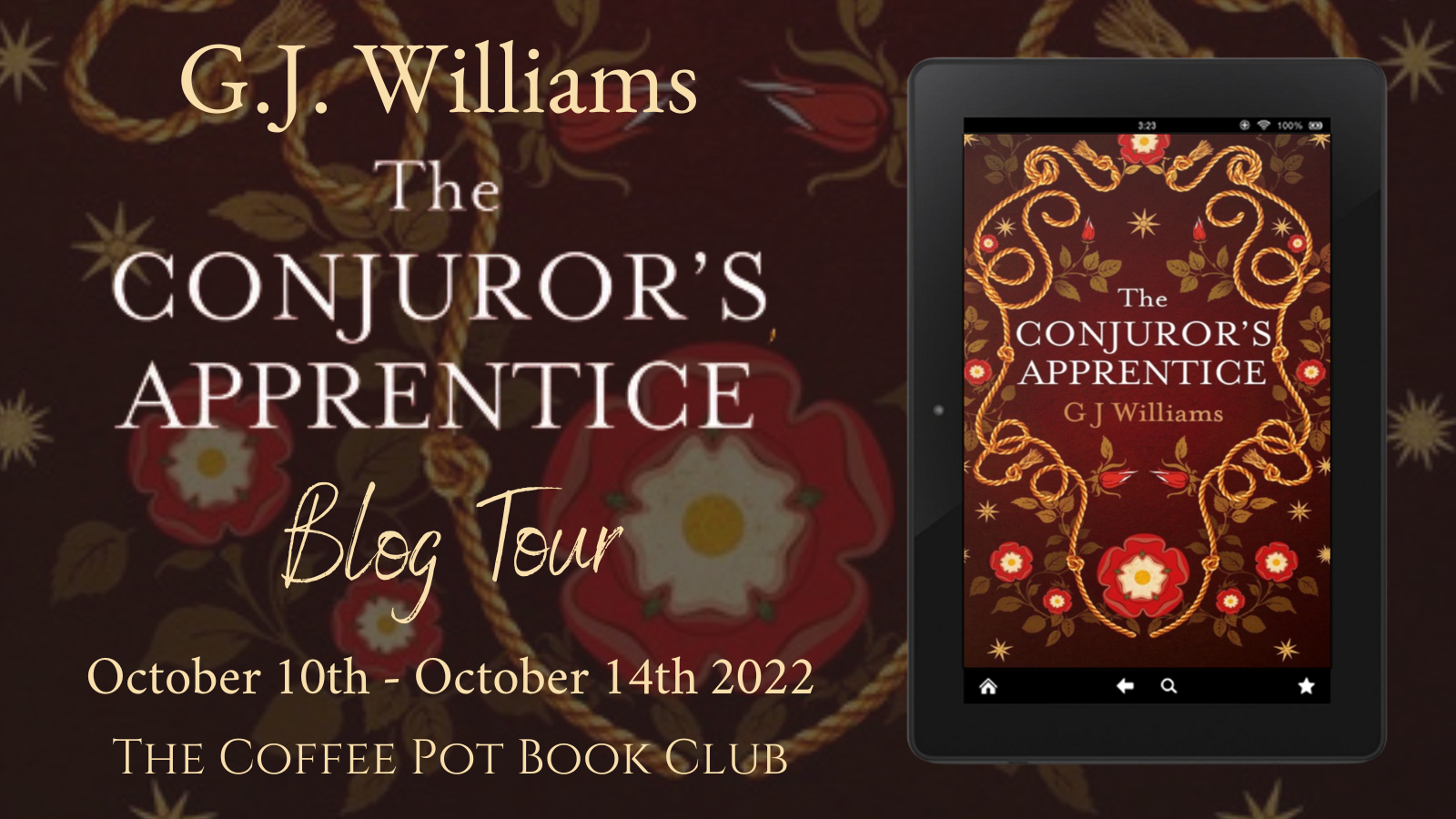
 I am pleased to welcome G.J. Williams to my blog today to share an excerpt from her latest novel, “The Conjuror’s Apprentice.” I want to thank G.J. Williams and The Coffee Pot Book Club for allowing me to be part of this blog tour.
John Dee stared at the letter, then at Cecil. ‘The letter must have been penned by someone who has sight of this household – and the same person who planted the letter on Jonas.’
The master of the house nodded and put his head in his hands, propelling Mildred to cross the room and put her hand on his shoulder. He glanced up and patted her fingers. ‘Are you quite sure what you read, my dear?’
‘Yes. You heard the words yourself. The letter is to someone who wants testimony of your movements. The scrivener speaks of your visits to Lady Elizabeth. Each one is listed. They even know you are due to visit her again this week.’ Her lips pinched together in anxiety. ‘They state that you hide a book of Elizabeth’s treachery to protect her.’ Mildred looked at John Dee. ‘Why would they make up such stories of us?’
But next to her, Cecil did not move. He kept staring at the wood of his desk, his brow crinkled in thought. A slight flush spread across his cheeks.
Margaretta shifted in her seat, the feelings rising inside her. Dread. Something you’ve done. A secret. You imagine being arrested. You are hiding something. She leaned forward, touched John Dee’s sleeve, and whispered, ‘Mae e’n cuddio rhywbeth.’ He hides something.
Cecil’s eyes darted to her. ‘I do not speak my forefathers’ tongue with ease. What did you say?’
Thank the Lord John Dee stepped in. ‘She says she must away to the kitchen and her chores soon.’ He leaned forward and dropped his voice to a cajoling purr. ‘Is there anything you have secreted, my friend? Better we know.’
Cecil sat up straight and cleared his throat. His wife’s fingers tightened on his shoulder as she looked down, beginning to frown. Her husband looked at the window as if searching for the right words. ‘I…I…hold a book belonging to the Lady Elizabeth. Nothing treasonous. Just her thoughts.’ He swallowed and looked to Dee, a faint beseeching in his eyes.
The room was silent.
Panic. Confusion. It is you, Lady Mildred. Anger.
John Dee leaned forward again, keeping the low, calm voice. ‘Where is this book?’
‘Mildred’s library. Well hidden among the religious texts.’ At this, Lady Cecil gave a short, sharp cry and snatched her hand away from her husband. She walked to the window and put her hands on the glass. They could see her kirtle move with her fearful breathing. Then she turned and faced him, her face pale and fixed in fury. ‘You brought secrets here and put us all in danger? Have your senses left you, husband?’ Her voice was slow and cold.
In an instant, he was on his feet, rebutting her challenge with indignation. ‘No, Mildred. I was showing loyalty to a fragile girl wracked with fears. She is under constant suspicion.
So, when she was summoned to court to attend her sister’s birthing, she dared not take it with her nor leave it behind. I am the only one she trusts. What could I do? Abandon her?’
‘And what is in this book, William?’ asked Dee.
‘Her thoughts on regency. She speaks of a fair rule; of religious tolerance rather than the burning we live with today; of making this land great again and not a puppet of Spain.’
Cecil dropped his head forward, and his voice fell to a murmur. ‘She speaks of a golden age in which men thrive, not fear life.’
Dee sighed. ‘So, she speaks of being queen.’ He waited until Cecil nodded. ‘So, with Mary expecting her own son to succeed her, it is a tome of treason.’ He gave a small laugh. ‘Making my conjuring look pale in comparison.’
Cecil bristled. ‘No. It is a volume of hope. The only treason lies with those who would put a Spanish prince as our ruler.’
He gave a low growl. ‘For the love of God, they circle court like hawks awaiting the death of Mary and her babe so they can grasp power while England mourns.’
John Dee opened his palms in question. ‘Mary herself made Philip King of England. Not a prince. Not her consort. A king.’
Cecil wheeled round. ‘Elizabeth is the rightful heir to the throne. Not a Spanish puppet of the Catholic Pope. A woman of true faith…Protestantism.’
‘So, if Elizabeth aspires to be queen, she is the single threat to the supporters of Philip.’ John Dee pointed an accusing finger. ‘And that book sets out her ambition.’ He paused. ‘That book will take her to the Tower and her death for treason… and someone in your household knows of it. They also know your involvement.’
From the window, Lady Cecil spoke. ‘And her treasonous book is in this house. And somebody knows it.’ She turned to look through the glass onto the bustling street below. ‘May God save us.’
 Blurb
Blurb
Born with the ability to hear thoughts and feelings when there is no sound, Margaretta Morgan’s strange gift sees her apprenticed to Doctor John Dee, a mathematician, astronomer, and alchemist. Using her secret link with the hidden side and her master’s brilliance, Margaretta faces her first murder mystery. Margaretta and Dee must uncover the evil bound to unravel the court of Bloody Mary.
The year is 1555. This is a time ruled by fear. What secrets await to be pulled from the water?
The Conjuror’s Apprentice takes real people and true events in 1555, into which G J Williams weaves a tale of murder and intrigue. Appealing to readers of crime and well-researched historical fiction alike, this is the first in a series which will follow the life, times, plots, and murders of the Tudor Court.
Trigger Warnings:
Descriptions of bodies and the injuries that brought about their death.
Threat of torture; description of man who has been tortured.
Buy Links
Amazon UK: https://www.amazon.co.uk/Conjurors-Apprentice-G-J-Williams/dp/1915194199
Waterstones
https://www.waterstones.com/book/the-conjurors-apprentice/g-j-williams/9781915194190
RedDoor
https://www.reddoorpress.co.uk/products/the-conjurors-apprentice?_pos=1&_sid=30c68d694&_ss=r
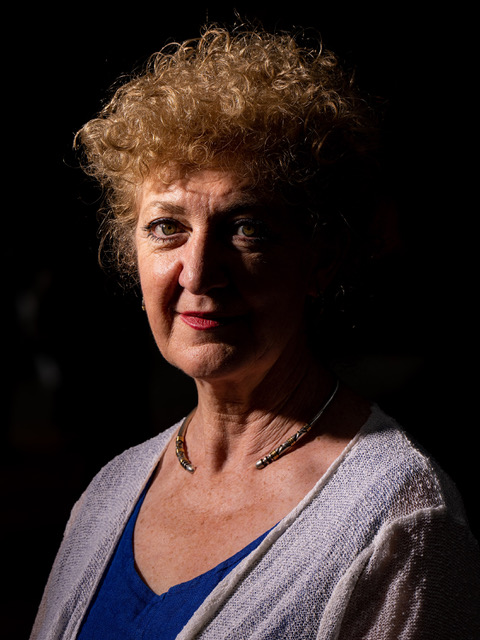 Author Bio
After a career as a business psychologist for city firms, G.J. Williams has returned to her first passion – writing tales of murder, mystery, and intrigue. Her psychology background, melded with a love of medieval history, draws her to the twists and turns of the human mind, subconscious powers, and the dark side of people who want too much.
She lives between Somerset and London in the UK and is regularly found writing on a train next to a grumpy cat and a bucket of tea.
Social Media Links:
Twitter: https://mobile.twitter.com/gjwilliams92

 The year is 1485, and the last Plantagenet king, Richard III, is dead. The young man whose army defeated the king is Henry Tudor, and he is about to start a dynasty that will reshape world history forever. Henry Tudor, now King Henry VII, married the daughter of King Edward IV and Elizabeth Woodville, Elizabeth of York. Their marriage and their children would lay the foundation for the Tudor dynasty, but what was life like for the children who were the first generation of this remarkable dynasty? Aimee Fleming explores the lives of these royal siblings in her latest book, “Tudor Princes and Princesses: The Early Lives of the Children of Henry VII and Elizabeth of York.”
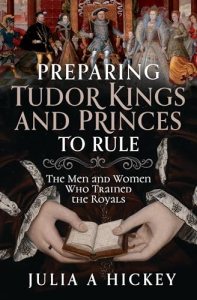 In life, when it comes to a new skill or job, you must be trained to become good at it. The same can be said for the monarchy, which in a sense is a job that encompasses one’s entire life. You have to understand different languages, rhetoric, the arts of dancing, and music, as well as diplomacy and physical activities if you want to rule a nation. It may seem like a lot for one person to handle, but from the moment of their birth, a prince or princess has a team of people behind them to make sure that they are ready to either rule their home country or create an alliance with other nations. The Tudors knew how important educating their future monarchs was for the survival of the dynasty. Julia A. Hickey examines the people behind the teams raising the future Tudor monarchs in her book, “Preparing Tudor Kings and Princes to Rule: The Men and Women Who Trained the Royals.”
 A love that can get through any obstacle even when the couple is married to other people is considered very rare. However, star-crossed lovers at court were practically unheard of, especially multiple couples from the same family. Anne Brandon knows how rare these matches are as her father Charles Brandon married the sister of King Henry VIII. Now she must figure out her feelings about romance while navigating court life. In the modern day, Caroline Harvey has relationship problems while she navigates the loss of her famous writer, grandfather Dexter Blake. How are these two women from different centuries connected and can they fight for who they love or are they destined to be alone? Alexandra Walsh tells both women’s stories in her novel, “The House of Echoes.”
 The life of a 16th-century princess is not all that it is cracked up to be. You can have jewels, and glamorous dresses, attend the glittering yet treacherous court, and have numerous homes. You must marry the person the king says you should marry to create strong alliances for the kingdom, so the concept of marrying for love is not in your vocabulary. You had to ensure your opinions were kept in line with the monarch’s views so you didn’t meet a disastrous end. In other words, the closer you are to the throne, the more scrutiny is forced upon you. No one understood this advice better than Mary Tudor, the daughter of King Henry VII and the younger sister of Henry VIII. She was a daughter, a sister, a wife, a queen, a duchess, and a mother. Her remarkable story is told in Amy McElroy’s book, “Mary Tudor: Queen of France.”
 King Henry VIII’s six wives each have their unique story that transcends time. Katherine of Aragon was his first wife, the mother of Mary Tudor, and the one Henry left behind after 24 years to marry his mistress Anne Boleyn, the most famous of his wives and the mother of Elizabeth Tudor. Anna of Cleves had the shortest marriage to Henry VIII and ended up with an excellent annulment deal. Catherine Howard was young and a bit naive when it came to the ways of men, which led to her downfall while Catherine Parr survived until the end of Henry VIII’s reign. These five women are stories we know by heart, but the one whose story remains a mystery is Jane Seymour, Henry’s third wife, and the mother of the future King Edward VI. In her debut book, “Jane Seymour: An Illustrated Life” Carol-Ann Johnston tells the story of the wife who gave Henry his desired son.
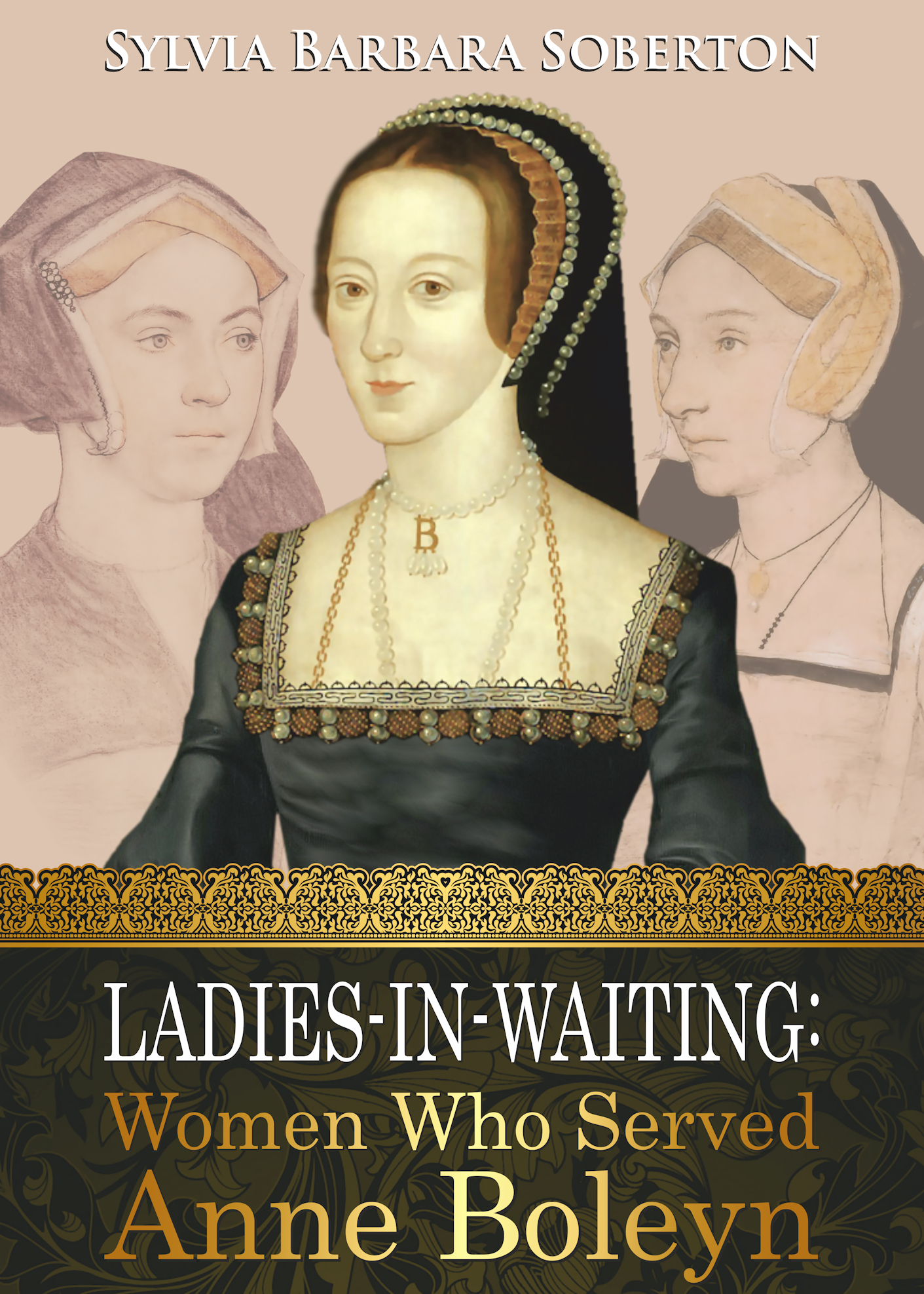 The story of Anne Boleyn and her rise and fall has been told throughout the centuries in numerous ways. With tales of this memorable monarch came rumors of what happened inside her court and the women who served her during her reign. We tend to look at her life through the lens of the men who interacted with Anne Boleyn at court, but what about the women who knew her? Stories of ladies-in-waiting selling the queen out and secret romances ran rampant throughout the centuries, but how much truth is in these tales? Sylvia Barbara Soberton explores these questions in her latest book, “Ladies-in-Waiting: Women Who Served Anne Boleyn.”
 To be married to a king may seem like a dream, but reality can be cruel. Take the wives of Henry VIII. After saying ” I do,” each wife had to deal with complex challenges after saying “I do.” We all know the poem; divorced, beheaded, died, divorced, beheaded, survived, but does that define these queens? After the death of her second husband, Katherine Parr must choose between Henry VIII and Thomas Seymour, the man who has captured her heart. She must navigate love, court intrigues, and the treacherous religious landscape of England in the 1540s to survive. Katherine’s life as Queen of England and how close she came to a disastrous fall from grace are explored in Elizabeth Fremantle’s first novel, “Queen’s Gambit: A Novel of Katherine Parr.”
 During medieval wars, one’s fate is often determined by the spin of the Wheel of Fortune, even for those who did not fight a single battle. One could be living a life of luxury, stability reigning supreme, and is destined to marry a foreign king or prince, but when the wheel begins to spin, all seems lost, and the things that once were as good as guaranteed fall by the wayside. This description could fit any number of stories from the past. Still, the one highlighted in this particular novel is the story of the eldest daughter of King Edward IV and Elizabeth Woodville and the first Tudor queen. In the first book of her latest book series, “The Last White Rose: A Novel of Elizabeth of York,” Alison Weir shows how one woman was able to ride the highs and lows of life to secure her family’s legacy and transform English history forever.
 Adventures of a Tudor Nerd