
 A war between brothers and cousins to determine the future of England is raging, but it is not the same kind of war England saw during medieval times. It is a clash of ideas, religious beliefs, and a fight for the survival of the reigning English king. On one side were the Catholic supporters of King Charles I, known as Cavaliers, and on the other were the Protestant Roundheads who wanted to see the king removed from the throne. Caught in the middle was the home of the Winchesters, known as Basing House, a royalist stronghold, which withstood sieges and bloodshed for two years amid the conflict. Jessie Childs’ latest book, “The Siege of Loyalty House: A Story of the English Civil War,” is dedicated to telling the story of this remarkable house and the men and women who fought to the death to defend it.
Before reading this book, I knew little about the English Civil War. I knew that it ended with the death of King Charles I and Oliver Cromwell became the new ruler of England, and I knew that one side was called Roundheads while the other was referred to as Cavaliers, but I did not know which was which. So, I was pretty much walking into this book and this period in English history blind. I had heard about this book from historian friends on social media, so I decided to give it a shot.
Childs has focused more on the men and women in defending Basing House, also known as “Loyalty House,” a stronghold for royalists or those who chose to tear down the barricades. These men and women were not soldiers, far from it. They were apothecaries, architects, mothers, wives, gamekeepers, and ordinary people, alongside the Marquess and Marchioness of Winchester. From 1643 until 1645, Basing House and its inhabitants faced the horror of war with numerous siege attempts by the Protestant Roundheads, who wanted to see the Catholic Cavaliers fall.
I found this an enjoyable read and very intriguing. It is well-researched and introduces a brand new cast of characters from the past, along with the harrowing tale of Basing House. As a novice in studying the English Civil War, it was a challenging read for me. I will return to this book once I read more about the English Civil War.
Childs has written a thrilling tale about the horrors of war resilience of those within the walls of Basing House. This may have been the first book I have read written by Jessie Childs, but it will not be my last. Suppose you have read books about the English Civil War and want another unique look into this tumultuous time in English history. In that case, I highly suggest you read “The Siege of Loyalty House: A Story of the English Civil War” by Jessie Childs.
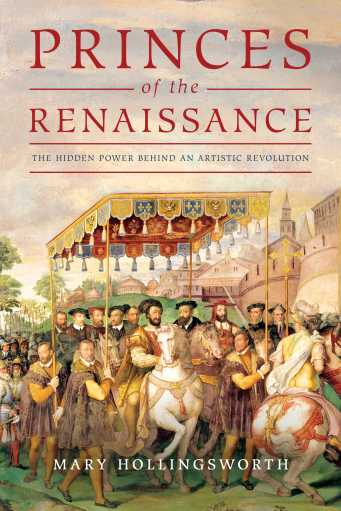 The 15th and 16th centuries were full of dynamic political and religious reforms, but they were also known for cultural changes throughout Europe. The medieval foundations started to crumble, and the early modern age emerged. One of the centers of change was Italy, a series of states with their rulers vying for power and prestige. These rulers would help finance masterpieces in art, literature, and architecture, but it was their rivals that threatened to tear the Renaissance society apart. In “Princes of the Renaissance: The Hidden Power Behind an Artistic Revolution,” Mary Hollingsworth explores the lives of the men and women who helped shape the Renaissance.
 David Rizzio was one of Mary, Queen of Scots’ favorites at court and the private secretary to the queen. Being a royal favorite would not have been seen as a grave offense in any other country during this time, yet this is Scotland in the 16th century. Scotland was filled with deadly feuds between lords fighting for control of the crown, which would lead to numerous prominent men being murdered, including Rizzio. On March 9, 1566, David Rizzio was murdered in front of Mary, Queen of Scots, while she was several months pregnant. The tale of the grotesque crime and those who witnessed the events of that night are told in Denis Mina’s latest gripping novella, “Rizzio.”
 A man hidden from the world languishes for decades in a prison cell. He is not allowed to speak to anyone, or he will face severe consequences. Often in literature, his head is covered in a mask made of iron. His identity and why he angered King Louis XIV so much have remained a mystery for centuries. The prisoner was known as the man in the iron mask throughout history, but who was this enigmatic figure? In her latest book, “The Man in the Iron Mask: The True Story of Europe’s Most Famous Prisoner,” Josephine Wilkinson dives deep into the archives to construct his story and the stories of the men behind the mystery.
 Adventures of a Tudor Nerd