
 I am pleased to welcome Heidi Eljarbo back to my blog to share a spotlight for her latest novel, “The Relic Keeper.” I would like to thank Heidi Eljarbo and The Coffee Pot Book Club for allowing me to participate in this blog tour.
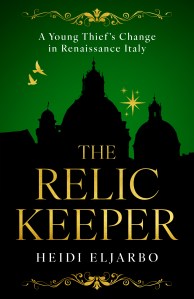 Blurb:
Inspired by Gerrit van Honthorst’s masterpiece, The Adoration of the Child, and the novel Oliver Twist by Charles Dickens.
Italy, 1620.
Angelo is an orphan, lonely and forgotten. Having been passed on from one family to the next, he ends up as a common thief, subject to and under the thumb of a ruthless robber called Tozzo.
Angelo knows no other life and has lost hope that any chance of providence will ever replace his lonely, misfortunate existence. When he loses his master, his livelihood is shaken. Tozzo’s plunder is hidden in a safe place, but what will happen if someone comes after Angelo to get their hands on the stolen relics? More than that, he feels threatened by words he’s heard too many times; that he’ll always remain unforgiven and doomed.
One day, a priest invites Angelo to help with chores around the church and rectory and, in exchange, offers him room and board. Padre Benedetto’s kindness and respect are unfamiliar and confusing, but Angelo’s safety is still a grave concern. Two older robbers have heard rumors about the hidden treasures and will stop at nothing to attain them.
With literary depictions and imagery, Angelo’s story is a gripping and emotional journey of faint hope and truth in seventeenth-century Italy—an artistic and audacious tale that crosses paths with art collector Vincenzo Giustiniani and the powerful Medici family.
Using invisible threads, Heidi Eljarbo weaves together her fictional stories with historical figures and real events.
Buy Link:
Universal Buy Link: https://books2read.com/u/4j6zgl
This title is available to read on #KindleUnlimited.
 Author Bio:
HEIDI ELJARBO grew up in a home full of books, artwork, and happy creativity. She is the author of historical novels filled with courage, hope, mystery, adventure, and sweet romance during challenging times. She’s been named a master of dual timelines and often writes about strong-willed women of past centuries.
After living in Canada, six US states, Japan, Switzerland, and Austria, Heidi now calls Norway home. She lives with her husband on a charming island and enjoys walking in any kind of weather, hugging her grandchildren, and has a passion for art and history.
Her family’s chosen retreat is a mountain cabin, where they hike in the summer and ski the vast white terrain during winter.
Heidi’s favorites are her family, God’s beautiful nature, and the word whimsical.
Author Links:
Website: https://www.heidieljarbo.com/
Twitter / X: https://x.com/HeidiEljarbo
Facebook: https://www.facebook.com/authorheidieljarbo/
Instagram: https://www.instagram.com/authorheidieljarbo/
Pinterest: https://no.pinterest.com/heidieljarbo/
Book Bub: https://www.bookbub.com/profile/heidi-eljarbo
Amazon Author Page: https://www.amazon.com/stores/Heidi-Eljarbo/author/B073D852VG
Goodreads: https://www.goodreads.com/author/show/16984270.Heidi_Eljarbo
 I am pleased to welcome Deborah Swift back to my blog today to share information about the real-life locations for her latest novel, “The Cameo Keeper.” I would like to thank Deborah Swift and The Coffee Pot Book Club for allowing me to participate in this blog tour.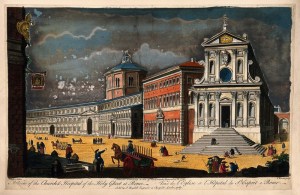


 Blurb:
 Author Bio
 The Italian Renaissance was a time of great artwork, eccentric artists, and patrons who created these masterpieces. While the art tells a story, the artist and patron want the audience to understand, but sometimes the story of how the art came to be can be just as fascinating. One of the most famous pieces of art from the early 16th century was the ceiling of the Sistine Chapel. A stunning piece created by an artist who primarily created sculptures, and his patron was a pope who was more like a warrior. The story of how Michelangelo and Pope Julius II created an unlikely team to create this remarkable masterpiece is told in Ross King’s book, “Michelangelo and the Pope’s Ceiling.”
 I am pleased to welcome Amy Maroney back to my blog to share a spotlight for her latest novel, “The Pirate’s Physician.” I want to thank Amy Maroney and The Coffee Pot Book Club for allowing me to participate in this blog tour.
 Blurb:
  Author Bio
 I am pleased to welcome Gina Buonaguro to blog today to share a blurb from her novel, “The Virgins of Venice.” I would like to thank The Coffee Pot Book Club and Gina Buonaguro for allowing me to be part of this blog tour.
 Author Bio:
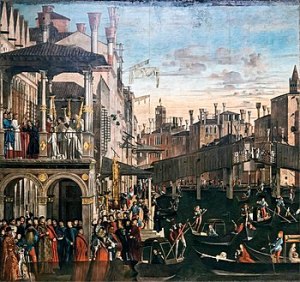
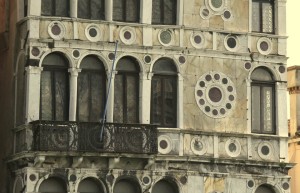
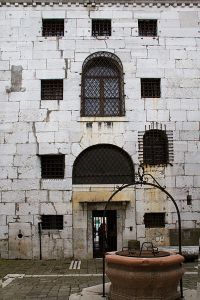
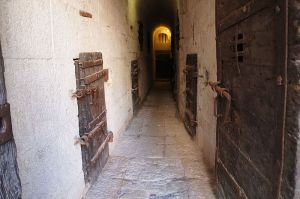

 Author Bio:
 “I’ll show you what a woman can do.”
 I am pleased to welcome Kelly Evans to my blog today to share an excerpt from her novel, “Turning the World to Stone.” I want to thank Kelly Evans and The Coffee Pot Book Club for allowing me to be part of this blog tour.
  Book Title and Author Name:
  Author Bio:
 Two independent women separated by time but united over two compelling portraits and the secrets hidden behind the paint. Mira (Miramonde) is a nun from a Renaissance convent in the Pyrenees who believes she is an orphan who wants to escape her small community and explore the world. Five hundred years later, Zari, an art scholar, begins the journey to discover who Mira is by using the clues she left behind in her works of art that will take her on a journey that will change her life forever. These two tales are woven together in the first book of the Miramonde series, “The Girl From Oto” by Amy Maroney.
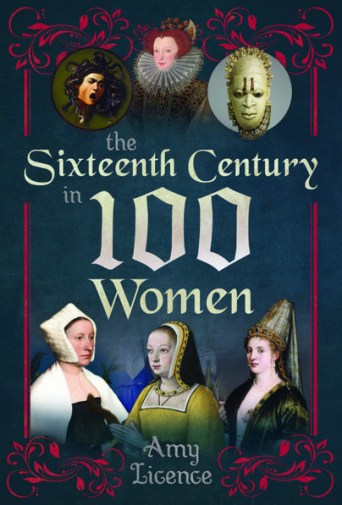 When we think of the phrase “16th-century women,” we often consider those from royal or noble houses throughout Europe. We tend to think of women like the six wives of Henry VIII, Mary I, Elizabeth I, Catherine de Medici, Mary Queen of Scots, and others associated who made an impact during the Renaissance and the Reformation. However, the 16th century did not stop at the borders of Europe; it extended all over the globe. There are many stories of women from all over the world and from different social classes that can help us understand how the world changed in the 16th century. Amy Licence took this concept and decided to write her latest book about a variety of women from around the world who lived in the 16th century, “The Sixteenth Century in 100 Women.”
 Adventures of a Tudor Nerd