
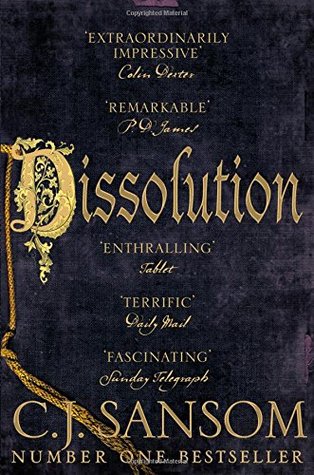
 The Tudor dynasty marked tons of changes in society and religious norms. In 1537, the changes are in full force. Anne Boleyn was executed a year earlier and Henry’s third wife, Jane Seymour recently passed away after giving birth to Edward VI. Religious reformers are clashing with the Catholic Church after Henry VIII has declared himself the Supreme Head of the Church of England. Henry VIII’s reign marked the changing point in societal and religious norms, none more so than the dissolution of the monasteries. As monasteries and monks alike adjust to the new ways of life, the monastery at Scarnsea buzzes with activity and murder. Henry VIII’s right-hand man, Thomas Cromwell, sends an unlikely man to investigate the situation; the hunchback reformer lawyer, Matthew Shardlake. This is the world that C.J. Sansom has chosen to create in the first book of his Tudor mystery series, aptly named, “Dissolution”.
I will be honest. It has been a very long time since I have read a murder mystery book. I know the general format because my mom is a huge Agatha Christie and Murder She Wrote fan, but I have never really been that interested in reading this genre myself. A lot of people have recommended that I should read the Shardlake series, but no one has spoiled the series, which I am thankful for as it made reading this book extremely enjoyable.
We are introduced to our protagonist, Matthew Shardlake, as he receives a new mission from his boss, Thomas Cromwell. The commissioner that Cromwell has sent to investigate the monastery of St. Donatus at the seaside town of Scarnsea, Robin Singleton, has been found murdered. It is up to Matthew and his assistant, Mark Poer, to find out the truth to why he was murdered and which one of the monks killed him. However, things are much darker and sinister at this monastery than Matthew could ever imagine and it will test everything he believes in.
I did not know what to expect before I started reading this book, but I am so glad I decided to read it. It is simply a masterpiece of intrigue and drama. It has been a while since I have been blown away by such a vivid and dark portrayal of the Tudor world that is away from the glamorous and glittering court life that we all expect from Tudor novels. The characters are raw and real; they are not cookie-cutter characters. They show that the struggle between reform and sticking with the Catholic Church was never straight forward. The details in this book are exquisite as they are compelling. Just when you think you know who did it, Sansom throws another twist that will leave you guessing until the bitter end.
I did not want this book to end because I became so attached to the characters, which is largely due to the way Sansom wrote this first novel of the Shardlake series. It’s different from any other Tudor novel that I have ever read and I want to read the rest of the series now. I understand why people wanted me to read this book and this series. I loved reading this book. If you want a thrilling Tudor mystery to read, I highly recommend you read, “Dissolution” by C.J. Sansom.
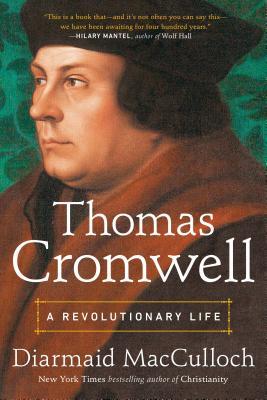 The stories of King Henry VIII and the men around him have fascinated generations of historians, but there was one man who has received a negative reputation for his actions. He was the supposed son of a butcher who rose to be Henry VIII’s right-hand man, until his dramatic fall in July 1540. Thomas Cromwell was credited for helping Henry with his Great Matter, the fall of Anne Boleyn, the establishment of the Church of England, and the disastrous marriage between Henry and Anna of Cleves. Diarmaid MacCulloch has taken on the challenge to figure out who Thomas Cromwell really was by sifting through all remaining archival records that we have from this extraordinary man. It is in this book, “Thomas Cromwell: A Revolutionary Life” that MacCulloch masterfully explores the story of this man who changed English and European history forever.
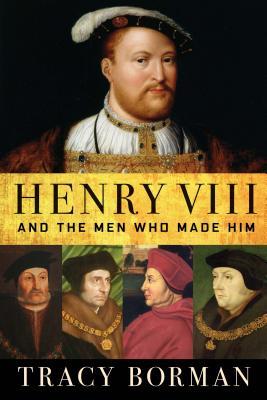 The story of the reign of King Henry VIII has been told mainly through his numerous marriages and through the lives of his children. Although his immediate family was a big part of his legacy, there is much more to his story than his tempestuous relationships. There were also his legal, religious, and military exploits. The ones who were with Henry when he made these decisions were the men who were loyal to him, his counselors and companions. Their tales are often told separately, until now. Tracy Borman has decided to masterfully combine their tales to explore the life of their infamous king in her latest biography, “Henry VIII and the Men Who Made Him”.
 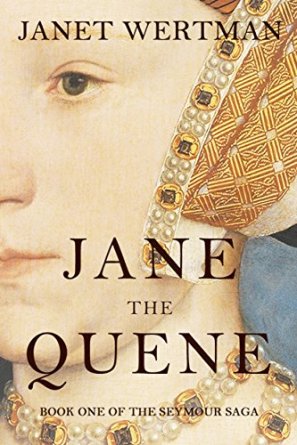 Henry VIII may have had six wives, but only one could give him the desired son that he wanted. She was kind, demure and everything that Henry VIII’s second wife Anne Boleyn was not. Her name was Jane Seymour, Henry’s third wife. Sadly, she is often remembered for the birth of her son and her death. However, there was a lot more to Jane’s story than the ending. What was her relationship with her family like? How did she fall in love with the King? And how was her relationship with her romantic rival, Anne Boleyn? These are just some of the questions that Janet Wertman strives to answer in her first novel of her new Seymour Saga called, “Jane the Quene”.
  Adventures of a Tudor Nerd