
 April 15, 2019, will be a dark day for Paris and the world. We watched in horror as the magnificent Notre Dame Cathedral burned. For centuries, it stood as the symbol of medieval Paris, and in minutes, it was engulfed in flames. While so many of us felt helpless, Ken Follett decided to do something to help rebuild the great cathedral. He wrote this book, “Notre Dame: A Short History of the Meaning of Cathedrals,” with the proceeds going to the charity La Fondation du Patrimoine.
While I did not have the chance to buy this book when the fundraiser was initially happening, I wanted a copy. After President Macron announced his plans to rebuild Notre Dame, which was finished in 2024, it seemed like the perfect time to read a book like this and reflect on the cathedral’s significance.
As this is a relatively short book for Follett, less than a hundred pages, I will also keep this review relatively short. Follett begins in the year 2019 and how he felt when he watched on television as Notre Dame burned. He had visited the famous cathedral for decades, starting in 1966, and since one of his most famous books, The Pillars of the Earth was about the construction of a cathedral, Follett has a deep connection to cathedrals even though, as he stated, he is not a very religious man.
He then jumps back to the story of how the cathedral was constructed, beginning in the year 1163 when Bishop Maurice du Sully decided that Notre Dame Cathedral needed to be bigger if it was going to compete with other cathedrals in Paris. Follett explains how cathedrals were constructed, why we do not have the original construction plans for Notre Dame, and how men and women helped construct these remarkable buildings. We then flash forward to the year 1831 when Victor Hugo found inspiration for his novel Notre Dame de Paris, or as we know it now The Hunchback of Notre Dame. It was written after the French Revolution and the cathedral had fallen into a state of disrepair. A contest was held to see who could repair the cathedral, which was won by a young architect Eugene Viollet-le-Duc. It took him twenty years to restore the cathedral to its former glory. Finally, we enter the end of World War II on August 26, 1944, when France was liberated and General Charles de Gaulle had his famous victory march down the Champs-Elysees.
I found this little book a delight to read for the historical information about the famous cathedral, but also the emotional side. I found it fascinating how a building centuries-old can still create a sense of wonder for those who are not very religious. It was interesting to read this book after the most recent reconstruction was finished as there was a sense of mourning but also a hope that Notre Dame, this ever-resilient cathedral, would rise from the ashes once again. If you want a short book that focuses on the history of Notre Dame with a sense of hope and wonder even after the fire, I would recommend you read, “Notre-Dame: A Short History of the Meaning of Cathedrals” by Ken Follett.
 The field of history for centuries has been focused on men and the struggles that mankind has had to endure for society to survive. We tend to get only a mere glimpse at the lives of women when they are next to powerful men. Some will write about women, mostly royal women, who lead extraordinary lives and left an imprint on the past. But what about those who lived ordinary lives? What about the women who lived daily, fighting to survive every obstacle? What can we learn about history through the eyes of ordinary women? Philippa Gregory has taken on the mammoth task of trying to answer these questions and more with her tome, “Normal Women: Nine Hundred Years of Making History.”
 The House of Windsor has been attracting worldwide attention in recent decades with scandals, deaths, weddings, and the birth of royal children. As living symbols of England, the Windsors are seen as an above-average family with numerous jobs and responsibilities. We know their names; King George VI, Queen Elizabeth II, Prince Phillip, Prince (now King) Charles, Princess Diana, and Prince William. We know their stories from the numerous books, tabloids, and documentaries about their lives, but what about their lives when they go home to relax? Gareth Russell peels back the gilded curtain to explore the life of Elizabeth Bowes-Lyon, lovingly known as the Queen Mother, in his latest biography, “Do Let’s Have Another Drink: The Singular Wit and Double Measures of Queen Elizabeth The Queen Mother.”
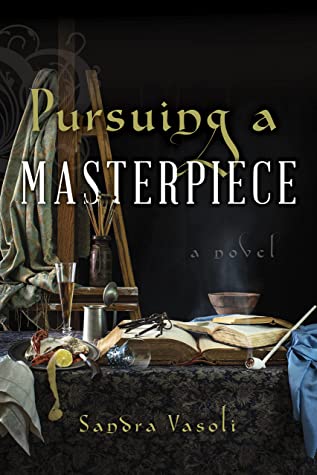 What if you found information about a mysterious portrait that would radically change how we view history forever? Who would you tell? When Zara Rossi entered the Ancient Manuscripts Room at the Papal Archives in Rome, she never imagined how a single letter would change her life and the Tudor community. Each piece of the puzzle unlocks a new story from the past and allows Zara to explore the remarkable tale of this masterpiece. Follow the clues with Zara Rossi to solve this mystery from the past in Sandra Vasoli’s latest book, “Pursuing a Masterpiece: A Novel.”
 Adventures of a Tudor Nerd