
 Today, I am pleased to share my book review of the latest Elizabethan novel by Tony Riches as my contribution to his “Essex: Tudor Rebel” blog tour. Thank you to Tony Riches for sending me a copy of his latest novel, and to The Coffee Pot Book Club for allowing me to take part in this tour.
Being a favorite of a queen is not all glitter and fame. Take, for example, the men who were considered the favorites of Elizabeth I. They had to deal with a queen whose temper and praise were interchangeable. One of the most famous examples of a favorite enduring the wrath of the queen was Robert Devereux, Earl of Essex. A handsome rascal who had a mountain of debt to his name, Essex tries to follow his queen’s orders while staying true to his nature. His road from loyal man to Elizabeth I, his numerous adventures, and his ultimate rebellion are masterfully told in Tony Riches’ latest Elizabethan novel, “Essex: Tudor Rebel”.
I would like to thank Tony Riches for sending me a copy of his latest novel. I enjoyed his first venture into the Elizabethan era about Sir Francis Drake. When I heard about this novel, I was excited to dive in. Obviously, I knew about the Essex Rebellion and Essex’s fall from grace, but I really wanted to know about the man behind it all.
Robert Devereux was the son of Lettice Knollys and Walter Devereux, 1st Earl of Essex. Many recognize Robert’s rather remarkable mother Lettice Knollys as she would gain the ire of Queen Elizabeth when she married the Queen’s favorite, Robert Dudley. Essex’s father Walter would die with a mountain of debt when Essex was a boy. The fact that Essex grew up as a poor Earl does not make him stray away from the lavish lifestyle that he craves. In fact, he adds to his father’s debt with his own, making it nearly impossible to pay off.
What makes him so appealing to Queen Elizabeth I is his youthful bravado. Essex is like a son to Elizabeth I. They were so close that some assumed that they were lovers. Riches puts this myth to rest in this novel. That does not mean that Essex was single like his queen. In fact, he did marry the daughter of the famous spymaster Sir Francis Walsingham. His daughter, Frances, is extremely loyal to her children and is not afraid to speak her mind when she believes that Essex is in the wrong. Essex is not exactly the most loyal of husbands as he does have affairs and illegitimate children.
Essex did not shy away from battles. He was known for his ventures in France, Cadiz, and Ireland, but his reputation would be battered like the numerous storms he encountered. He wanted the glory to restore his reputation, but his naivete and anger towards the queen who treated him like a son would lead to his downfall.
There is something magical about a new novel by Tony Riches. He is able to capture the audience’s attention with realistic scenarios, characters that jump from the pages of the past, and dialogue that is entirely believable. Essex may seem like an outlandish character, but his desire to restore his honor and to pay back his debt is understandable. There were moments where I was getting frustrated with Essex because of his poor decision-making skills, but Riches really made me feel sympathetic for this naive young rogue by the end. If you want another brilliant escape into the late Tudor age, I highly recommend you read book two in Tony Riches’ enchanting Elizabethan series, “Essex: Tudor Rebel”.
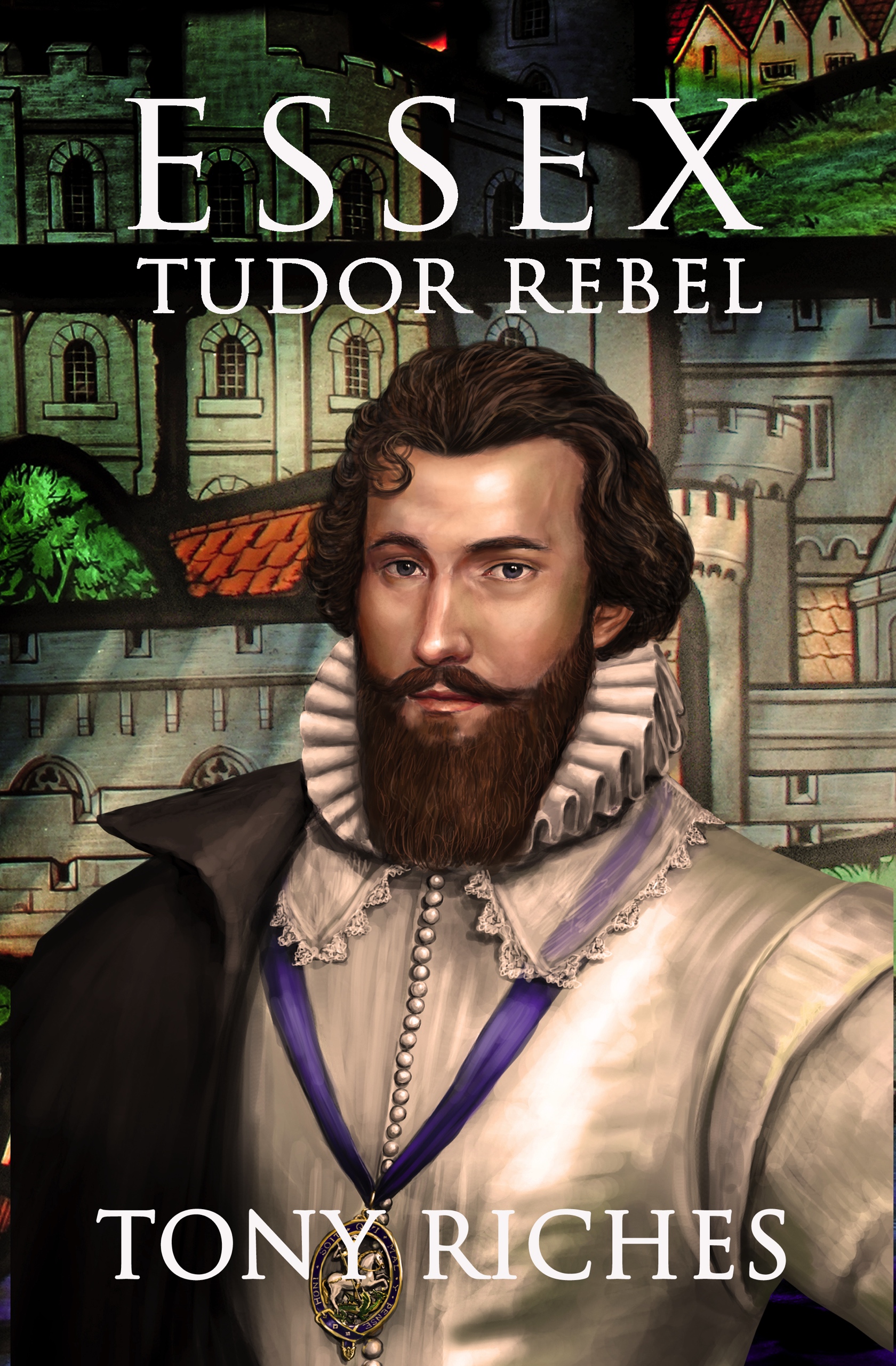 (Blurb)
Robert Devereux, Earl of Essex, is one of the most intriguing men of the Elizabethan period. Tall and handsome, he soon becomes a ‘favourite’ at court, so close to the queen many wonder if they are lovers.
The truth is far more complex, as each has what the other yearns for. Robert Devereux longs for recognition, wealth and influence. His flamboyant naïveté amuses the ageing Queen Elizabeth, like the son she never had, and his vitality makes her feel young.
Robert Devereux’s remarkable true story continues the epic tale of the rise of the Tudors, which began with the best-selling Tudor trilogy and concludes with the reign of Queen Elizabeth I.
Buy Links:
This novel is free to read with #KindleUnlimited subscription.
Universal Link: https://books2read.com/u/bwo16Y
Amazon UK: https://www.amazon.co.uk/dp/B09246T7ZT
Amazon US: https://www.amazon.com/dp/B09246T7ZT
Amazon CA: https://www.amazon.ca/dp/B09246T7ZT
Amazon AU: https://www.amazon.com.au/dp/B09246T7ZT
 Author Bio
Tony Riches
Tony Riches is a full-time UK author of best-selling Tudor historical fiction. He lives in Pembrokeshire, West Wales and is a specialist in the history of the Wars of the Roses and the lives of the early Tudors. Tony’s other published historical fiction novels include: Owen – Book One Of The Tudor Trilogy, Jasper – Book Two Of The Tudor Trilogy, Henry – Book Three Of The Tudor Trilogy, Mary – Tudor Princess, Brandon – Tudor Knight and The Secret Diary Of Eleanor Cobham.
Social Media Links:
Website: https://www.tonyriches.com/
Twitter: https://twitter.com/tonyriches
Facebook: https://www.facebook.com/tonyriches.author/
LinkedIn: https://www.linkedin.com/in/tonyriches/
Instagram: https://www.instagram.com/tonyriches.author/
Amazon Author Page: https://www.amazon.com/Tony-Riches/e/B006UZWOXA
Goodreads: https://www.goodreads.com/author/show/5604088.Tony_Riches
 One of the most infamous families in the history of England lasted for over three hundred years and it was filled with numerous princes that fought for their right to rule, much to the chagrin of the Tudor dynasty. The Plantagenet Dynasty was full of scandals and bloodshed, testing the core values of what it meant to be a family and rulers of an emerging country like England. This dynastic clash for power that came to define this dynasty began with Henry II and his sons by his wife Eleanor of Aquitaine. When their father refused to give the boys any true power, which was to be excepted with all princes, his sons waged war against Henry II and their brothers. The stories of these bonds and what ultimately tore them asunder are told in Douglas Boyd’s latest collection of biographies aptly titled, “Plantagenet Princes: The Sons of Eleanor of Aquitaine and Henry II”.
 The year is 1586 and Ursula Blanchard is on a mission to protect Queen Elizabeth I. After returning home from a previous mission, Ursula and her household come into contact with a countrywoman named Etheldreda Hope who has brought a peculiar case to the forefront. In the forest by the village that Etheldreda calls home, there have been strange rituals occurring that include reference to an evil queen. Are these rituals harmless or is there a sinister motive behind the beliefs of the pagans who meet in the forest? Will Ursula and her household solve the case in time? This is the premise of Fiona Buckley’s latest Ursula Blanchard Tudor mystery, “Forest of Secrets”.
 The life of a medieval princess was not a life of luxury that we often see in fantasy films. It can be filled with lovely gowns and castles, but it can change in an instance. Take, for example, the lives of the daughters of King Edward IV and Elizabeth Woodville. One minute their father was King of England and life was comfortable; the next minute, they were in the sanctuary, hoping and praying that they would be able to be reunited with their father one day. Their lives were planned out for them when their father was alive, but when Edward IV died unexpectedly in April 1483, the princesses found their world taking another turn. We know what happened with the eldest daughter, Elizabeth of York, as she married Henry VII and became the first Tudor queen, but what about her sisters? In her second book, “The York Princesses: The Daughters of Edward IV and Elizabeth Woodville”, Sarah J. Hodder explores what happened to Elizabeth of York and her sisters once the House of York fell and the Tudors became the new dynasty.
 When one studies the history of the English monarchy, we tend to consider those who ruled and those who advised the ruler as significant characters. We rarely study the family members of the monarch who did not win the right to rule the kingdom. Yet, they are often either extremely loyal or they desire the crown with such ferocity that they rebel against their own family. It seems like a rather cruel world, but that was the life of a medieval monarch. True loyalty for one’s family was a rare feat. One man showed the depth of his loyalty to his family, even when the people despised him. He was the son of King Edward III, the brother of the famous Black Prince, the uncle of King Richard II, and the father of Henry Bolingbroke who would become King Henry IV. Gaunt’s reputation and legacy have been marred by his wealth and the role that he played with the Peasants’ Revolt, but was he such a bad person? In Helen Carr’s brilliant debut biography, “The Red Prince: The Life of John of Gaunt, the Duke of Lancaster”, she looks to uncover the truth about the man behind the throne and why he never desired the crown for himself.
 A woman twice widowed with no children of her own has the opportunity to choose who she will marry next. Will she marry the man of her dreams or marry the man who has been married numerous times and has killed two of his wives already? It seems like a no-brainer who she should choose, but the man she married for her third marriage was the man who was married numerous times before simply because he is the notorious King Henry VIII and you do not disobey the king. However, his last wife, Katharine Parr, is willing to fight for the religious reforms and her stepchildren that she loves dearly. In the last book of the Six Tudor Queens series, “Katharine Parr: The Sixth Wife”, Alison Weir takes her readers on an extraordinary journey to explore who this brave woman was and why she is the one who survived Henry’s last days.
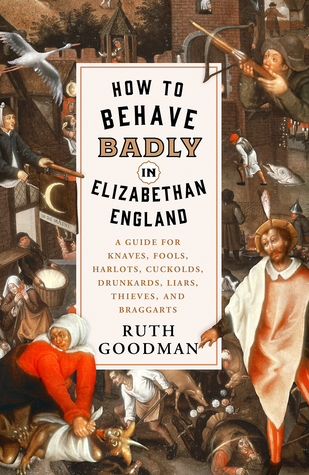 In many books about the different mannerisms and routines of different dynasties, we tend to see how the average person lived in the most prim and proper manner. How they avoided trouble at all costs to provide the best life that they could for their families. Yet, we know that there were those who did not adhere to the rules. They chose to rebel against the natural way of life. Every social echelon had their own rule-breakers, but what were these rules that they chose to break? How are these troublemakers of the past similar and different from our modern-day rebels? Famed experimental archeologist and historian Ruth Goodman takes her readers on a journey through the Elizabethan and the early Stuart eras to show how the drunkards, thieves, and knaves made a name for themselves. The name of this rather imaginative book is “How to Behave Badly in Elizabethan England: A Guide for Knaves, Fools, Harlots, Cuckolds, Drunkards, Liars, Thieves, and Braggarts”.
 Margery Kempe, the only daughter of the mayor of Bishop’s Lynn, England has made a tough decision in 1413. She has decided to leave her home, her husband, and her fourteen children to go on a pilgrimage to the holy city of Jerusalem as a way to honor her late father’s dying wishes. As she begins her journey, she meets the famous anchoress Julian of Norwich, who entrusts Margery with an important mission. She gives Margery her book Revelations of Divine Love and tells her to spread her message throughout the world in secret. Margery’s pilgrimage, her connection to Julian of Norwich, and the aftermath of her journey are intricately woven together in Mary Sharratt’s stunning novel, “Revelations”.
 Have you ever read a history book and wondered what life was really like for those who lived in the past? To understand a time period and the motives of the people of the past, we have to understand the structure of their society. How they understood things like class, sex, violence, government, and religion is essential for us to understand what separates us from our ancestors. What they ate, what they wore, and where they slept also give a unique insight into the time period. It can be a difficult undertaking to figure out all of the different aspects of the past connect and to present it cohesively, yet acclaimed historian Ian Mortimer has embraced this challenge head-on to tackle one of the most complex periods of the past; the Elizabethan era. His love letter to the Elizabethan age entitled, “The Time Traveler’s Guide to Elizabethan England” is a delightfully imaginative guide to the past.
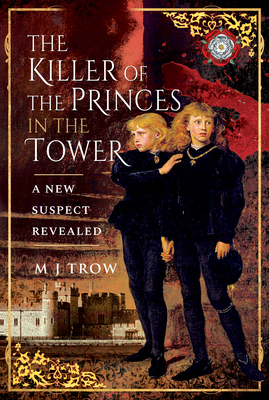 In 1483, King Edward IV’s family received a devastating announcement; the king in the prime of his life died, leaving the throne to his young son Edward V. However, neither Edward V nor his younger brother Richard of York would ever see the throne. Instead, they were taken to the Tower of London by their protector, Richard of Gloucester, for protection, never to be seen again. For over five hundred years, many theories have emerged about what happened to the princes in the tower and who might have possibly killed the boys. In MJ Trow’s latest book, “The Killer of the Princes in the Tower: A New Suspect Revealed”, he works hard to uncover the truth of what might have happened to the sons of King Edward IV.
 Adventures of a Tudor Nerd