
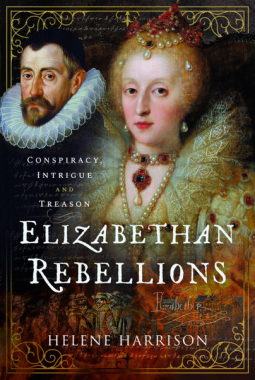
 The struggle to be a king or queen in any country during Europe’s medieval or early modern era was only the beginning. They are either the next in line to the throne and inherit the crown, or they sometimes fight to the death to wear it. After the king or queen settles into ruling their respective countries, the real challenge emerges as they have to deal with rebellions and those who commit treason against their monarch. Take, for example, what happened during the reign of Elizabeth I. We consider her reign the “Golden Age” in English history. Still, she had to deal with numerous rebellions and conspiracies surrounding her viewpoints on religion and how she dealt with her cousin, Mary Queen of Scots. In her first book, “Elizabethan Rebellions: Conspiracy, Intrigue, and Treason,” Helene Harrison takes an in-depth look at each rebellion and how they left a mark on Elizabeth I’s reign.
Thank you, Pen and Sword Books and Net Galley, for sending me a copy of this book. When I heard about this title online, I was intrigued since many of these rebellions have been covered in books about Mary Queen of Scots or biographies about Elizabeth I. Still, this is the first time I have seen a book about Elizabethan conspiracies.
Harrison begins by showing how early Tudor rebellions shaped the reigns of Elizabeth’s family and how the early uprisings affected her time as Queen of England. Beginning with her grandfather, King Henry VII, and the pretenders’ rebellions of Lambert Simnel and Perkins Warbeck, we see how important it was to take action against those who threatened to overthrow the Tudors before they even began their rule in earnest. Under Henry VIII, we see the Pilgrimage of Grace, protesting against Protestantism and for the return of Catholicism after the break from Rome. Elizabeth is considered one of the main actors behind the Wyatt Rebellion of 1554 under her sister Queen Mary I.
These previous events would help shape how Elizabeth I dealt with the five significant rebellions during her reign. These five rebellions were: the Northern Rising, Ridolfi Plot, Throckmorton Plot, Babington Plot, and the Essex Rebellion. Four of the five rebellions had something to do with Mary Queen of Scots and the battle between Protestantism versus Catholicism. In contrast, the Essex Rebellion, the final rebellion Elizabeth I dealt with, was more about a spoiled courtier not getting his way in life and blaming it on Elizabeth.
Harrison does not do a typical overview of each rebellion. Instead, she takes a deep dive into the timeline of each event, who was involved, and how they came crashing down. Each rebellion had a unique signature, from espionage and intrigue to acts of treason and secret codes. Every experience taught Elizabeth a different lesson about what it meant to be a ruler of England. I found this book informative and well-written. I learned new elements of each rebellion, which I thought I knew pretty well. For her first book, Helene Harrison does a great job sharing her points and showing how these rebellions shaped Elizabeth I’s reign. Suppose you want a book that explains the different power struggles Elizabeth I had to deal with during her reign. In that case, I recommend reading “Elizabethan Rebellions: Conspiracy, Intrigue, and Treason” by Helene Harrison.
 The glitzy, glamorous life of the Tudors portrayed in popular TV shows and novels mask the truth of this infamous dynasty. It is more bloody than what has been described. It is filled with grotesque executions, deadly diseases, bloody battles, and bloody battles. What happened to Richard III’s remains? What was Tudor torture like for those unfortunate victims? What were other devious tales at play in 16th-century Europe? Mickey Mayhew has worked hard to answer these questions by combining 45 of the most gruesome stories from this dynasty into one book, “The House of Tudor: A Grisly History.”
 I am pleased to welcome G.J. Williams to my blog today to share an excerpt from her latest novel, “The Conjuror’s Apprentice.” I want to thank G.J. Williams and The Coffee Pot Book Club for allowing me to be part of this blog tour.
  Blurb
Blurb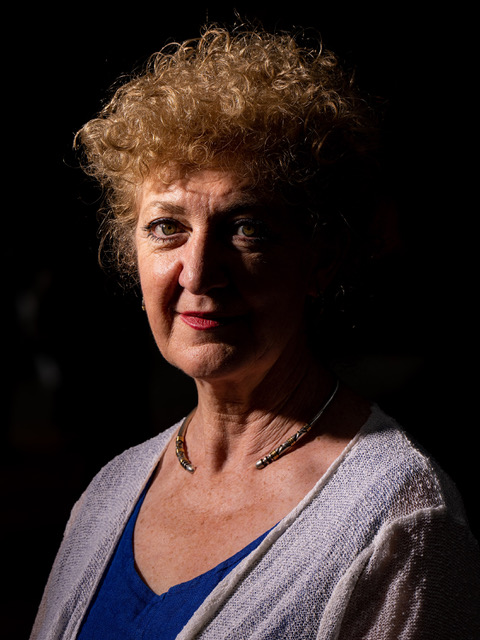 Author Bio
  Two queens; one a wife and the mother of kings and the other a virgin who had to fight for the right to rule her country independently. Two women who found friendship and a rivalry between each other with only a sea that divided them and religious discord to drive them apart. Catherine de Medici and Elizabeth I would define what it meant to be female rulers in the 16th century for France and England, respectively. The tales of Elizabeth I and Catherine de Medici have been covered in numerous books, but a joint biography of these two powerhouses is a rarity until now. Estelle Paranque demonstrates how both queens greatly affected each other’s lives in her latest book, “Blood, Fire & Gold: The Story of Elizabeth I and Catherine de Medici.”
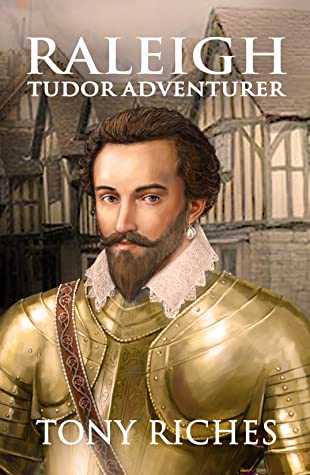 A man who wants to get ahead in any royal court must have an impeccable background and a willingness to serve his monarch no matter the obstacles thrown their way. It takes an extraordinary man who doesn’t have a pristine background to make it in the ruthless world of a royal court, but some men made names for themselves. One such man was an adventurer, a poet, an explorer, and a courtier. He came from humble beginnings and rose to prominence to become known as one of the last true Elizabethans. The man was Sir Walter Raleigh, and his story is told in Tony Riches’ latest novel, “Raleigh: Tudor Adventurer.”
 When we think about the Tudor dynasty, we think about the monarchs who made the dynasty, but we also pay attention to those around the king or queen who sat on the throne. There were families like the Boleyns, the Howards, and the Seymours who stood on the sidelines for a short amount of time, but one family saw the majority of the dynasty through highs and extreme lows. The Dudleys have been seen as a power-hungry family who would do anything to sit on the throne of England, but is there more to their story? In her debut book, “The House of Dudley: A New History of Tudor England,” Joanne Paul explores the lives of this extraordinary family to find the truth about their ambitions and their resilience.
 The Tudor dynasty was full of colorful characters and events that defined the era. Their lives were full of love affairs, marriages, births, wars, tragedies, and triumphs. In numerous books about these monarchs and this period in history, we have seen the significant events that defined the era, but what about lesser-known social events that these monarchs participated in. The bulk of the research into this dynasty focuses on those who ruled, from Henry VII to Elizabeth I, because their lives give us a brilliant insight into what it was like to live in the glittery Tudor court. In “The Tudor Socialite: A Social Calendar of Tudor Life,” Jan-Marie Knights gives her readers a glimpse into the social calendar of the Tudor rich and famous.
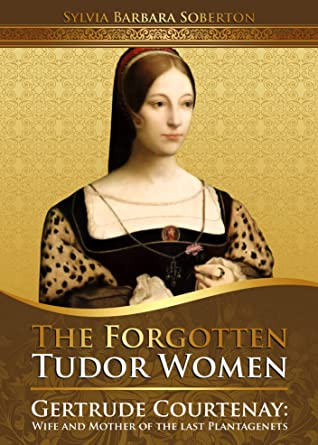 In any dynasty, those closest to the throne are the most at risk of dealing with suspicions and conspiracies. Those who were not next in line for the throne were seen as threats, especially those whose bloodline was a bit stronger than those who sat on the throne. The Tudor dynasty’s biggest threat was the few Plantagenets who still lived at court. The family that had the most Plantagenet blood in their veins and poised the most significant threat was the Pole family. However, one woman who was very close to Henry VIII and his family married a man who had Plantagenet blood in his veins. Her name was Gertrude Courtenay, the Marchioness of Exeter, and her story is finally getting the light it deserves in Sylvia Barbara Soberton’s latest book, “The Forgotten Tudor Women: Gertrude Courtenay: Wife and Mother of the Last Plantagenets.”
 Blanche Wainfleet, a merchant’s wife living in England in 1590, has a reputation for finding items that others have deemed lost. Blanche has a gift for finding mementos important to others, from lost handkerchiefs to pets. However, there is one thing that she is searching for that will prove her greatest challenge yet, finding the truth about her sister’s murder. Blanche’s sister Alison fell in love with a Catholic man and converted to the Catholic faith when there was a war between Catholicism and Protestantism. To uncover the truth, Blanche must infiltrate the Otley family who took Alison in during her final days, but will she discover the truth and come out of the ordeal alive? This is the premise of Kathy Lynn Emerson’s latest novel, “The Finder of Lost Things.”
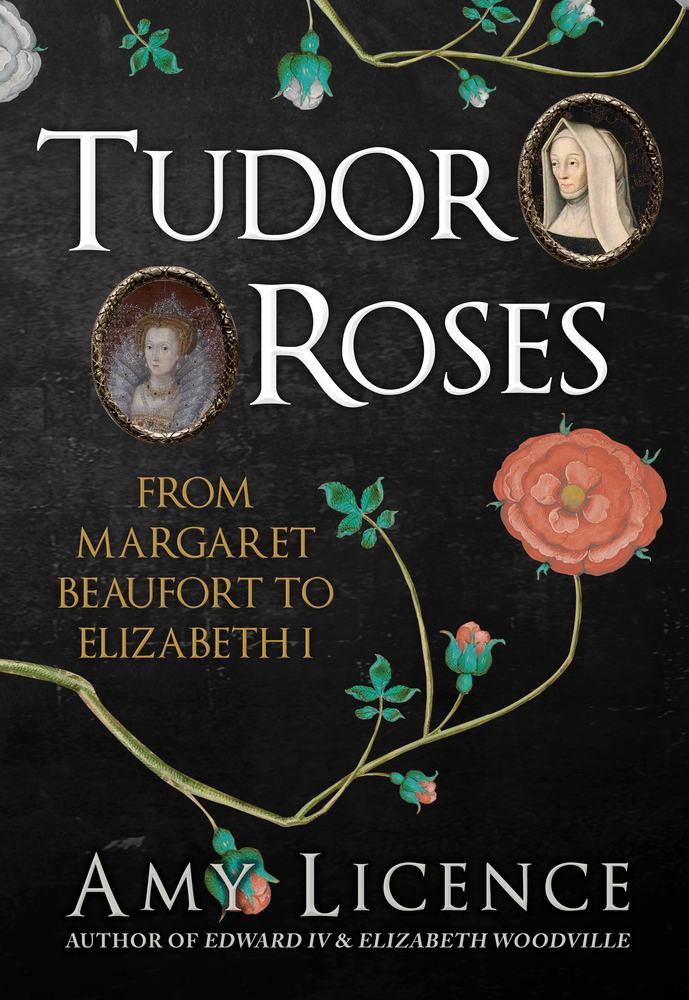 When one studies a specific dynasty, we tend to focus on the stories of those who rule their respective countries and explore the men who influenced the king’s decisions. A dynasty’s legacy tends to be viewed from the military and legal victories of the men, but just as important are the women who stood beside the king. Royal women tend to be considered side characters of the dynasty who were only crucial for their inheritance, who they married, and the children they could produce. But if we focused on the story of the royal women in a specific dynasty, what could we learn about the dynasty? Amy Licence took this concept to explore women’s voices and decided to tackle the Tudor dynasty in her latest book, “Tudor Roses: From Margaret Beaufort to Elizabeth I.”
 Adventures of a Tudor Nerd