
 When we read about those who lived in past centuries, there is often a disconnect. We know that they were also human beings like we are, but we see how different their ways of life are compared to ours, and it feels incredibly bizarre. We can find wisdom from the past for our more modern lives. One of the most unlikely sources of knowledge for our daily lives comes from the lives of men and women who choose to take a religious path. In her latest book, “How to Live Like a Monk: Medieval Wisdom For Modern Life,” Daniele Cybulskie shows her readers how medieval monks can help us live our best lives here in the present.
I heard this book from Daniele Cybulskie, and just from the description, I wanted to read it. I enjoyed the previous book that I have read by Cybulskie, which was “Life in Medieval Europe: Fact and Fiction,” and I wanted to read more by her. I knew a bit of monastic life from other books that I have read, but I wanted to learn more.
Cybulskie took the idea of a book that explores daily life to another by using the monks’ routines to act as a self-help book for the modern age. It may seem strange for an academic book to work as a self-help book, but if you think about how much we can use the past to help us understand the present, this concept makes perfect sense.
The lifestyle of a medieval monk is not for everyone, but there are aspects that we can respect and apply to our own lives. This book is broken into sections that focus on different aspects of monastic living, such as looking inward, looking outward, gardening, moderation, and minimalism. Cybulskie explains why someone would choose to become a monk and what monasteries would have generally looked like before the dissolution. She then explains the different parts of monks’ daily routines that we could apply to our modern daily lives. These aspects include gardening, helping others, focusing on our mental health, eating healthy, meditation, setting boundaries, and my personal favorite, finding time to read. The illustrations and the quotes that Cybulskie includes in this book add another layer of enjoyment and depth into a charming historical self-help book.
Cybulskie has written another book that makes learning about medieval Europe fun for any history fan. Although I am not usually someone who reads self-help books, I found this particular title an enjoyable mix of advice and history. After reading this book, you may not want to become a monk, but I think readers can learn something new from this book. If you wish to a delightful book about medieval life and how we can apply lessons from the past to our modern lives, I highly recommend you read “How to Live Like a Monk: Medieval Wisdom for Modern Life” by Daniele Cybulskie.
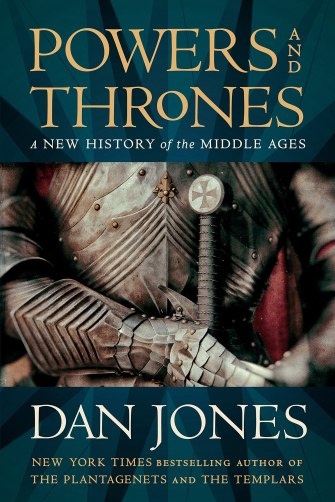 When we study human history, in general, we tend to pick a country and a period to focus on and research. Books on the subject material tend to focus on one land with interactions between other nations. It is infrequent for authors to take on multiple countries unless concentrated on one event that affected numerous locations. Those books often read like textbooks and can be a bit dry. Finding the perfect balance between these elements and engaging with the reader is a monumental task for any author, but Dan Jones has taken on the challenge. His latest behemoth tome, “Powers and Thrones: A New History of the Middle Ages,” takes on the gigantic task of telling the story of the Middle Ages from diverse perspectives.
 In human history, when citizens have disagreed with a new law or those in charge, they often stage a protest to show their frustration. When their voices are not heard, people often turn to rebellions and revolts to make sure their opinions matter. We might think that revolution and rebellion as a form of protest are modern ideas, but they go back for centuries. Revolutions and rebellions shaped history, no more so than in the middle ages. In his latest book, “Rebellion in the Middle Ages: Fight Against the Crown,” Matthew Lewis examines the origins of the most famous rebellions in medieval England and how they transformed the course of history.
 On a cold December day in 1386, two knights met at the field at Saint-Martin-Des-Champs in Paris to face each other in a duel. This may seem like your average duel for entertainment to any outsider, but this was a duel to the death to determine who was telling the truth when it came to a sinister crime. A Norman knight, Jean de Carrouges, accused a squire, Jacques Le Gris, of raping his wife, Marguerite. It was a truly heinous crime, but what was it true, and why did these accusations lead to a duel to the death? Eric Jager explores this specific event and the factors that led to this clash in his nonfiction book, “The Last Duel: A True Story of Crime, Scandal, and Trial by Combat.”
 When we think about love, we have ideas about how people fall in love through dating and wooing one another. Sweet words and gestures. Flowers and chocolate. Dates at fun venues and romantic dinners. This is a more modern interpretation of romance and love, which was vastly different than the concept of courtly love that was common in royal circles in medieval Europe. What exactly was courtly love, and how did it play a role in the Tudor dynasty? Sarah Gristwood explores this topic in her latest nonfiction book, “The Tudors in Love: The Courtly Code Behind the Last Medieval Dynasty.”
 As the weather gets colder, the leaves turn brilliant colors and fall from their trees, marking the perfect time of the year to snuggle with a blanket, a cup of tea, and a good spooky tale. Many would reach for a modern supernatural story, but ghost tales have been hiding in archives for centuries. One such story comes from the time of King Richard II. It was first found and transcribed from Latin in 1922 by medievalist M.R. James. Dan Jones has taken on the challenge to retell this story for a modern audience. Initially written by an unknown monk of Byland Abbey, this medieval ghost story is called “The Tale of the Tailor and the Three Dead Kings.”
 The period of human history that we know today as the Middle Ages spanned over a thousand years, and within that time, significant progress was made into understanding our world. Inventions and discoveries were made not just in Europe but throughout the known world during this time. One area of study that saw a lot of change was medical studies and understanding the human body. How did physicians heal the sick during the Middle Ages, and how did their experiences change their field of study? These questions and more are all explored in Juliana Cummings’ latest book, “Medicine in the Middle Ages: Surviving the Times.”
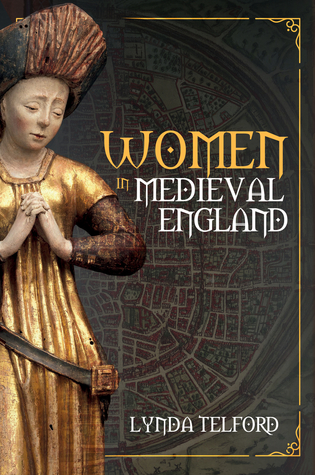 As students of history, we understand that aspects of society change all of the time, and sometimes the change is rapid, and other times it is positively glacial. One of those aspects of culture that we have seen slow and gradual change pertains to women’s rights. Today, women have more rights than they did in the past, and they can have careers, but is this a novel concept? What were the lives of women like in other periods of history, like the medieval period? In Lynda Telford’s book, “Women in Medieval England,” she explores women’s lives from the Anglo-Saxons to the Tudors to give us a picture of what rights and responsibilities women had during this period.
 In the middle of the night on November 25, 1120, screams could be heard from the English Channel. A ship known as The White Ship hit a rock and began to sink. Those on board were the glamorous English elite, including the legitimate son of King Henry I, William Aetheling. In an era where people feared the sea and could not swim, those on board sank to their watery death on that cold winter night that began with such frivolity. No one knew that night that this one disaster at sea would cause a dynastic struggle that would lead to the founding of the infamous Plantagenet dynasty. In his latest book, “The White Ship: Conquest, Anarchy and the Wrecking of Henry I’s Dream”, Charles Spencer takes his readers on a journey to fully understand the impact that this tragedy had on the English royal family.
 Adventures of a Tudor Nerd